

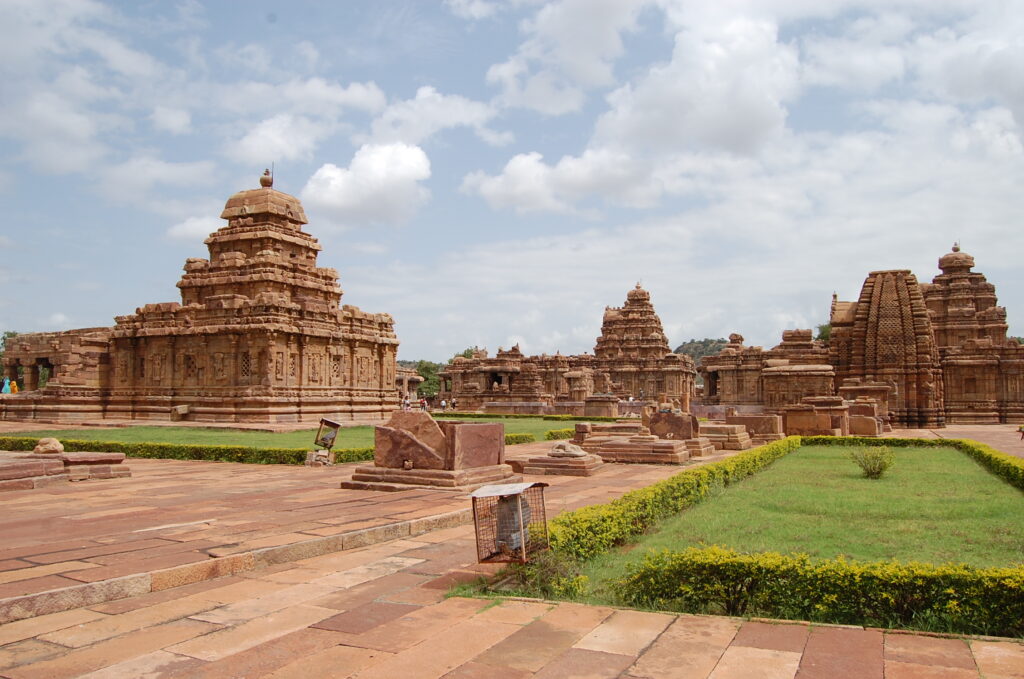
Monuments at Pattadakal 🕉️🏛️
Expert insights highlight Pattadakal as a prestigious site reflecting ancient Indian architecture and cultural significance.
Table of Content 📜
- Historical Significance
- Architectural Marvels
- Cultural Impact
- Comparison with Other Sites
- UNESCO Heritage Status
- Key Monuments to Visit
- Visitor Experience
- Preservation Efforts
- Local Economy Impact
- Future of Pattadakal
- Events and Festivals
- Tips for Travelers
- Interviews with Historians
- Literature on Pattadakal
- Conclusion
Find us here: Pattadakal Location
Historical Significance
Pattadakal, located in Karnataka, India, is a prominent archaeological and historical site. It served as a cultural center during the 7th and 8th centuries, witnessing the flourishing of Hindu architecture. Visitors can marvel at the intricacies of ancient temples that depict rich stories interwoven with history.
The temples in Pattadakal were constructed during the rule of the Badami Chalukyas and are significant not only for their architectural marvels but also for their religious significance. Three key temples—Virupaksha, Mallikarjuna, and Papanatha—showcase the grandeur of the Chalukyan style.
| Key Temples | Built Year | Architectural Style |
|---|---|---|
| Virupaksha Temple | 740 AD | Dravidian |
| Mallikarjuna Temple | 745 AD | Dravidian |
| Papanatha Temple | 740 AD | Mixed |
Architectural Marvels
Pattadakal is renowned for its exquisite architectural designs that reflect both Dravidian and Nagara styles. The temples exhibit ornate sculptures, detailed carvings, and a blend of artistic expressions that narrate epics from Hindu mythology. The elaborate carvings found on the walls showcase the dexterity of ancient Indian artisans.
Each monument at Pattadakal bears unique characteristics: intricate brackets depicting couples in love, celestial figures, and Goddesses serve to capture the beauty of divine themes. The use of local sandstone adds a warm, earthy hue to the monuments, enhancing their aesthetic value.
| Monument Name | Features | Influences |
|---|---|---|
| Virupaksha Temple | Elaborate sculptures | Shaivism |
| Mallikarjuna Temple | Pillared halls | Architectural Fusion |
| Papanatha Temple | Open courtyard | Veneration of deities |
Cultural Impact
The cultural significance of Pattadakal extends beyond architecture; it plays a pivotal role in the spiritual and cultural fabric of India. Each temple serves as a pilgrimage site, attracting devotees and scholars alike. The site embodies the teachings and philosophies of Hinduism and illustrates various beliefs reflected in art and architecture.
Moreover, the monuments have influenced various cultural initiatives, including local festivals and educational programs. These activities help raise awareness about the historical value of Pattadakal, promoting cultural tourism and generating interest among younger generations.
| Cultural Aspect | Description | Importance |
|---|---|---|
| Religious Festivals | Celebrated annually by locals | Community bonding |
| Educational Programs | Workshops and seminars on history | Awareness and learning |
Comparison with Other Sites
When compared to other historical sites in India, such as Hampi or Khajuraho, Pattadakal stands out for its unique blend of architectural styles. While Hampi showcases the grandeur of Vijayanagara architecture and Khajuraho is famed for its erotic sculptures, Pattadakal represents a transitional period in temple architecture.
Pattadakal’s harmonious integration of styles signifies cultural syncretism, as different influences are apparent in its monuments. Understanding Pattadakal alongside these sites allows for deeper insights into the evolution of Indian architecture.
| Site Name | Notable Features | Architectural Style |
|---|---|---|
| Hampi | Monumental ruins, Royal architecture | Vijayanagara |
| Khajuraho | Erotic sculptures | Nagara |
| Pattadakal | Blend of Dravidian and Nagara | Transitional style |
UNESCO Heritage Status
In 1987, Pattadakal was designated a UNESCO World Heritage Site, a recognition that underscores its importance on a global scale. This status has attracted international attention, making it a focal point for historical research and tourism.
The designation not only protects the site but also supports preservation efforts, ensuring that the intricate details of the temples can be appreciated by future generations. UNESCO’s recognition brings with it funding opportunities and expertise in conservation techniques.
| Year | Event | Impact |
|---|---|---|
| 1987 | UNESCO designation | Global recognition |
| Ongoing | Preservation initiatives | Restoration and education |
Key Monuments to Visit
While all monuments in Pattadakal hold significant value, some deserve special mention for their historical and architectural excellence. The Virupaksha Temple, dedicated to Lord Shiva, is a prime example of Chalukyan architecture and is notable for its grandeur and historical inscriptions.
The Mallikarjuna Temple, another highlight, is often less crowded but equally captivating due to its intricate carvings that depict deities and celestial beings. Each visit allows exploration of varying styles and techniques used in ancient temple construction.
| Monument Name | Noteworthy Features | Religious Significance |
|---|---|---|
| Virupaksha Temple | Tall Gopuram, intricate carvings | Shiva worship |
| Mallikarjuna Temple | Stunning pillared halls | Reverence to duality in Shiva |
Visitor Experience
Visitors to Pattadakal often praise the immersive experience it offers. The site is accessible to tourists, with organized tours that provide historical context and insights into the architectural marvels present. Guided tours enhance understanding, showcasing both subtle details and grand designs.
Walking through the temples, one can feel the profound sense of spirituality, echoed in the carved stones and tranquil surroundings. Amenities such as nearby eateries and accommodations cater to tourists seeking to prolong their stay.
| Visitor Amenities | Description | Feedback |
|---|---|---|
| Guided Tours | Experienced guides | In-depth historical context |
| Local Eateries | Traditional cuisine offerings | Enhanced cultural immersion |
Preservation Efforts
The preservation of Pattadakal involves a collaborative effort between the government, archaeologists, and local communities. Recognizing its historical value, efforts are underway to restore certain aspects of the temples while ensuring minimal impact on their structural integrity.
These initiatives include funding from international bodies and strict regulations to mitigate the effects of weather and pollution. The active involvement of the local populace ensures sustainable practices that integrate traditional methods of building and conservation.
| Preservation Method | Description | Impact |
|---|---|---|
| Restoration | Structural repairs | Enhanced stability |
| Community Training | Workshops on traditional techniques | Sustainable practices |
Local Economy Impact
The historical site of Pattadakal has a profound impact on the local economy through tourism, which provides employment opportunities for many local residents. The influx of tourists encourages the growth of small businesses, including handicrafts, cuisine, and accommodation services.
Many artisans create traditional crafts inspired by the carvings found on the temples. This not only helps preserve cultural heritage but also stimulates economic growth within the community, fostering a sense of pride and ownership among local residents.
| Economic Aspect | Description | Benefits |
|---|---|---|
| Tourism | Significant local revenue source | Job creation |
| Handicrafts | Artisan production of souvenirs | Cultural preservation |
Future of Pattadakal
As Pattadakal attracts more visitors and attention due to its UNESCO status, discussions on its future are crucial. Plans for sustainable tourism must be implemented to balance economic gains with preservation commitments. Initiatives to enhance infrastructure while maintaining the site’s integrity need careful consideration.
Increasing awareness and education about Pattadakal’s historical value will also play a vital role in its future. Collaborative efforts among government, local communities, and visitors can preserve this heritage site for generations to come.
| Future Considerations | Description | Objectives |
|---|---|---|
| Sustainable Tourism | Development of eco-friendly practices | Long-term preservation |
| Community Involvement | Engaging locals in tourism initiatives | Empowerment and education |
Events and Festivals
Pattadakal is not just a historical site; it also hosts various events and festivals that celebrate its rich cultural heritage. One of the most notable festivals is the Pattadakal Dance Festival, where classical dancers from around the country perform against the backdrop of the magnificent temples.
These events provide an opportunity for artists and performers to showcase their talent while allowing visitors to engage with local customs and traditions. It fosters a vibrant cultural exchange and reaffirms the site’s significance as a living cultural heritage.
| Event Name | Description | Visitor Engagement |
|---|---|---|
| Pattadakal Dance Festival | Classical performances | Cultural immersion |
| Annual Heritage Walk | Guided exploration of the site | Enhanced learning |
Tips for Travelers
If you’re planning a visit to Pattadakal, several tips can enhance your experience. First, consider visiting during the cooler months (October to March) for pleasant weather. Early morning excursions provide a serene atmosphere, allowing for solo exploration as well as photography opportunities.
Don’t miss out on local cuisine at nearby eateries and be sure to engage with artisans for a deeper appreciation of their crafts. Staying hydrated and wearing comfortable shoes will also make your exploration of the site more enjoyable.
| Travel Tip | Description | Recommendation |
|---|---|---|
| Best Visiting Season | October to March for pleasant weather | Plan your visit accordingly |
| Engage Locals | Explore local culture and crafts | Enrich your experience |
Interviews with Historians
To gain a deeper understanding of Pattadakal’s significance, interviews with historians and archaeologists shed light on the site’s past. Their insights reflect not only the architectural style but also the social and political circumstances surrounding its construction.
Such discussions contribute to ongoing research and stimulate interest among academics and tourists alike. Engaging with historians provides a unique opportunity to understand the broader context of this UNESCO World Heritage Site.
| Historian Name | Key Insights | Contribution |
|---|---|---|
| Dr. Anjali Sharma | Artistry and cultural influences | Academic research |
| Prof. Ravi Kumar | Historical significance of monuments | Public lectures |
Literature on Pattadakal
A wealth of literature explores the historical, artistic, and architectural aspects of Pattadakal. Books, journals, and documentaries provide comprehensive analyses of the site. Works by renowned scholars detailed its evolution and significance within Indian history.
Accessing such literature is crucial for tourists who wish to dive deeper into the meaning behind the sculptures, inscriptions, and architectural designs found throughout the site. It enhances appreciation and understanding of Pattadakal’s cultural richness.
| Literature Type | Notable Titles | Focus Areas |
|---|---|---|
| Historical Books | “Pattadakal: Legacy of the Chalukyas” | Architecture and art |
| Academic Journals | “Cultural Heritage in India” | Archaeological findings |
Conclusion
In conclusion, Pattadakal stands as a beacon of Indian heritage, skillful architecture, and vibrant culture. As we celebrate its historical monuments, it is essential to reflect on preservation and community engagement to ensure its legacy continues. We invite you to check out other articles focusing on India’s rich cultural heritage, and explore why these historical sites are treasures worth visiting.
For more information on Pattadakal, you can find additional resources at Wikipedia: Pattadakal.
Keywords for Search:
Pattadakal, monuments, archaeology, heritage, Indian temples
Our journey exploring Pattadakal has just begun, and we hope you will embark on your adventure soon! 🗺️✨
zMOPKYvfTnGTlGnqiCoNm