

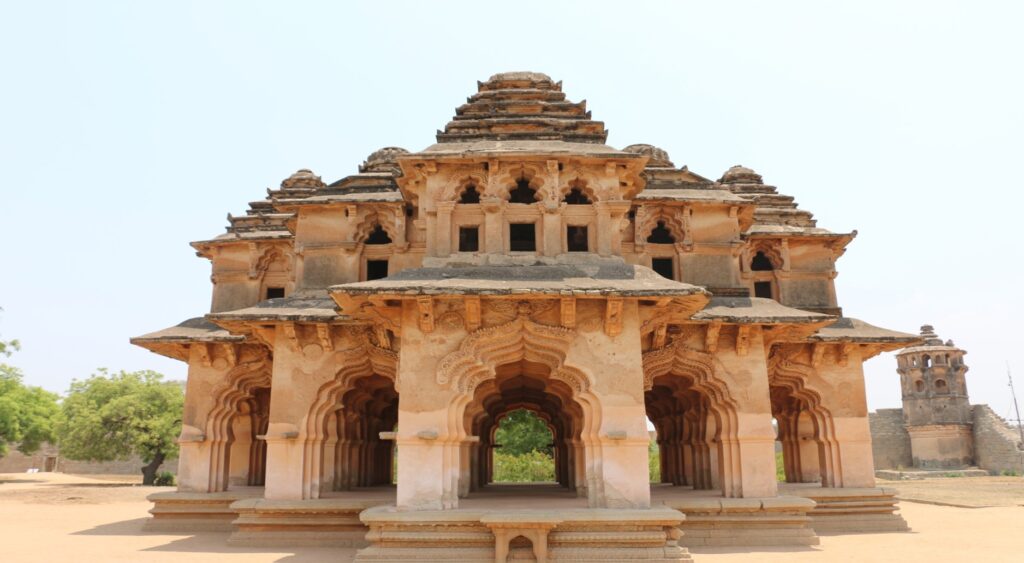
Hampi shows India’s rich history. It features a unique architectural style that combines art, culture, and spirituality
Expert Says
🕌 Group of Monuments at Hampi: A Journey Through History 🌍
Hampi stands as a testament to India’s rich history, showcasing an architectural style that merges art, culture, and spirituality.
Table of Content
🗂️
- History of Hampi
- Architecture and Design
- Cultural Significance
- Major Monuments in Hampi
- Tourism and Visitor Experience
- Conservation Challenges
- Local Cuisine
- Surroundings and Geography
- Travel Tips
- Personal Experiences
- Future of Hampi
- Community Engagement
- Art and Culture
- Timeline of Events
- Conclusion
Introduction: Welcome Hampi Lovers! 💖
Welcome, lovers of history and culture! Today, we delve into the mesmerizing world of Hampi, a UNESCO World Heritage Site in India that will captivate your soul. Known for its grandeur and historical significance, Hampi once served as the capital of the Vijayanagara Empire. This city is not merely a collection of ruins; each stone tells a story that resonates with the echoes of time.
Hampi’s rich tapestry of architecture, culture, and spirituality invites travelers from around the globe. With its breathtaking landscapes and remarkable monuments, it showcases the ingenuity of ancient artisans. As we explore the Group of Monuments at Hampi, prepare to embark on an engaging journey through history and discover the secrets that lie beneath its ancient stones.
History of Hampi 📜
Hampi’s history dates back to the 14th century when it became the capital of the Vijayanagara Empire. At its zenith, the city was a hub of trade and a melting pot of cultures. Its strategic location allowed it to flourish, drawing in merchants, visitors, and scholars from various parts of the world. The empire reached its peak under the rule of Krishnadevaraya, who oversaw remarkable architectural achievements that synthesized Dravidian and Indo-Islamic styles.
Following the empire’s defeat in the Battle of Talikota in 1565, Hampi experienced a significant decline. Many of its monuments were destroyed, leaving behind ruins that speak of a once-thriving kingdom. Despite this, the remnants of Hampi’s architecture and culture have continued to draw archaeologists, historians, and tourists alike, eager to unearth its stories.
| Period | Event | Significance |
|---|---|---|
| 14th Century | Foundation of Vijayanagara | The establishment of a dominant empire |
| 1565 | Battle of Talikota | Decline and eventual end of the empire |
| 1986 | UNESCO World Heritage Status | Global recognition of Hampi’s cultural value |
Architecture and Design 🏛️
The architectural style seen in Hampi is a fascinating blend of forms and motifs that reflect both the Hindu and Islamic influences in the region. The use of intricate stone carvings, massive pillars, and elaborate sculptures showcases the artistic prowess of the artisans of the era. One notable feature is the use of granite, which is abundant in the region, allowing for detailed carvings that have stood the test of time.
Key structures like the Virupaksha Temple and the Vittala Temple are exemplary of Hampi’s architectural brilliance. They boast towering gopurams (gateway towers), and detailed mandapas (pillared halls), each exuding spiritual vibrance and architectural genius. The layouts of these temples not only served religious purposes but also reflected the cosmopolitan nature of Hampi, where architecture bridged cultures.
| Feature | Description |
|---|---|
| Gopuram | Towering entrance of Hindu temples |
| Mandapa | Large pillared hall for gatherings |
| Stone Carvings | Intricate motifs depicting deities and stories |
Cultural Significance 🌍
Hampi is a microcosm of India’s cultural heritage, embodying traditions that date back centuries. Pilgrimage sites continually attract devotees, while the remnants echo the lifestyle of a richly diverse society. Festivals that are celebrated here, such as Hampi Utsav, bring together art, music, and dance, allowing visitors to experience the living culture of the region.
The folklore and stories associated with the monuments add layers of meaning to the visit. Locals often recount tales of gods and goddesses, making each site more than just an architectural marvel, but a lively part of the social identity of the community. The ongoing connection between the past and the present highlights Hampi’s cultural resilience.
| Cultural Aspect | Significance |
|---|---|
| Festivals | Celebrations that revive traditions |
| Local Folklore | Stories that enhance historical context |
| Pilgrimage Traditions | Spiritual journeys that continue today |
Major Monuments in Hampi 🏰
Hampi’s landscape is dominated by numerous monuments that serve as a reminder of its glorious past. Notable structures such as the Vittala Temple and the Virupaksha Temple are must-see landmarks. The Vittala Temple, with its iconic stone chariot and musical pillars, demonstrates the technological advancements and artistry of the time.
Additionally, the Lotus Mahal and the Elephant Stables offer a glimpse into royal architecture, revealing the everyday lives of the empire’s rulers. Each monument tells its own story and reflects the architectural innovation of a time long gone.
| Monument | Description | Importance |
|---|---|---|
| Vittala Temple | Vibrant temple with musical pillars | Architectural marvel |
| Virupaksha Temple | Ancient temple dedicated to Lord Shiva | Major pilgrimage site |
| Lotus Mahal | Elegant dome structure | Symbol of royal architecture |
| Elephant Stables | Sturdy structure for housing elephants | Reflects royal lifestyle |
Tourism and Visitor Experience 🌟
Today, Hampi is a prominent tourist destination, attracting visitors from around the world. The serene landscape dotted with boulders and temples offers a unique adventure experience. Guided tours, trekking, and biking are popular activities that allow visitors to discover the area at their own pace while learning about its rich history.
Travelers often express awe at the monuments and natural beauty of Hampi, creating a sense of peace and discovery. Accommodations range from heritage hotels to budget-friendly options, catering to various preferences. Local markets and eateries serve traditional South Indian dishes, adding flavor to the overall experience.
| Tourist Activity | Description | Highlights |
|---|---|---|
| Guided Tours | Informative tours led by local experts | In-depth insights into history |
| Trekking | Exploring hilly terrains | Panoramic views of the landscape |
| Local Cuisine | Sampling delicious South Indian food | Authentic culinary experiences |
Conservation Challenges 🏗️
Maintaining the integrity of Hampi’s monuments is an ongoing endeavor faced with numerous challenges. Urbanization, climate change, and the influx of tourists can threaten the structural integrity of these ancient sites. Conservation efforts are being implemented by the Archaeological Survey of India (ASI) to restore and protect the monuments from further degradation.
International organizations also collaborate with local authorities to ensure sustainable tourism practices. Education and awareness programs aim to foster a sense of responsibility among visitors to preserve this invaluable heritage for future generations.
| Conservation Challenge | Description | Efforts Being Made |
|---|---|---|
| Urbanization | Increase in population affecting land use | Zoning laws to control development |
| Climate Change | Impact of weather patterns on structures | Implementing climate-responsive measures |
| Tourism Pressure | Wear and tear from heavy foot traffic | Sustainable tourism initiatives |
Local Cuisine 🍛
Hampi is not just a feast for the eyes but also a culinary delight. The region’s cuisine features a variety of South Indian dishes, from spicy sambar to rich biryanis. Street vendors and local restaurants serve traditional meals that attract both tourists and locals.
The unique flavors are highlighted during local festivals when special dishes are prepared. Options include vegetarian thalis that offer a tasting plate of various dishes, showcasing the holistic approach to South Indian food culture. Many travelers leave Hampi with the delicious taste of its cuisine lingering in their memories.
| Dish | Description | Popularity |
|---|---|---|
| Sambar | Spicy lentil soup with vegetables | A staple in South Indian cuisine |
| Biryani | Fragrant rice dish with spices and meat | Widely enjoyed in Hampi |
| Dosa | Thin, crispy pancake made from fermented batter | Famous breakfast item |
Surroundings and Geography 🏞️
Hampi is nestled amidst a compelling landscape characterized by granite boulders, lush greenery, and the tranquil Tungabhadra River. Its unique geography contributes to its charm, offering numerous trails for visitors to explore. Adventure seekers can engage in bouldering or rock climbing, making it an exciting destination for nature lovers.
The hills surrounding Hampi are dotted with villages that maintain their agricultural practices, providing a glimpse into the traditional lifestyle of the locals. This harmonious relationship with nature evokes a sense of peace and tranquility.
| Feature | Description | Attraction |
|---|---|---|
| Granitic Terrain | Unique landform ideal for bouldering | Adventure activities |
| Tungabhadra River | Serene river adds beauty to the landscape | Boating and fishing opportunities |
| Villages | Traditional farming communities | Cultural immersion |
Travel Tips for Hampi 🗺️
When visiting Hampi, it is essential to plan your journey wisely. To fully appreciate the Group of Monuments at Hampi, travelers should wear comfortable shoes and stay hydrated, as exploring the terrain can require considerable walking. Early morning visits to popular sites help avoid crowds and offer cooler temperatures.
Additionally, consider local customs and traditions when interacting with residents. Learning a few basic phrases in Kannada can enhance the experience and foster goodwill. Last but not least, respect the heritage by adhering to conservation guidelines while visiting the monuments.
| Travel Tip | Details | Benefits |
|---|---|---|
| Wear Comfortable Shoes | Essential for navigating uneven terrain | Enhances walking experience |
| Visit Early Morning | Avoid crowds and heat | More peaceful exploration |
| Respect Local Customs | Engage politely with residents | Positive cultural exchange |
Personal Experiences 🎒
Many visitors to Hampi leave with memorable experiences that enrich their understanding of India’s history. From watching the sunrise over the Vijayanagara ruins to sharing stories with locals in bustling markets, each encounter adds a personal touch to their journey.
Travelers often recount tales of exploring hidden paths that lead to lesser-known monuments, creating a sense of adventure. Such experiences foster a deeper connection to Hampi, turning a trip into an unforgettable journey through the past.
| Experience | Description | Connection |
|---|---|---|
| Sunrise Views | Watching the sun rise over ancient ruins | Magical moments in a historical context |
| Local Interactions | Engaging with locals in markets | Cultural exchanges |
| Hidden Path Explorations | Discovering lesser-known sites | Creating personalized journeys |
Future of Hampi 🔮
Looking ahead, the future of Hampi lies in sustainable practices that balance tourism and conservation. Encouraging more educational initiatives about the importance of preserving cultural heritage can contribute positively to the site’s longevity. Additionally, utilizing technology for virtual tours can make Hampi accessible to a broader audience while minimizing foot traffic on sensitive sites.
Community involvement is crucial in shaping how Hampi develops as a tourist destination. Engaging local residents in decision-making regarding tourism and conservation efforts could foster a deeper connection between the community and its historical identity.
| Future Initiative | Description |
|---|---|
| Educational Programs | Sessions to raise awareness about heritage preservation |
| Technology Integration | Virtual tours to broaden access |
| Community Engagement | Involving locals in tourism planning |
Community Engagement 🤝
Community engagement plays a pivotal role in ensuring Hampi remains a vibrant and sustainable tourist destination. Local inhabitants can serve as guides, sharing their rich histories and personal narratives, which adds authenticity to the visitor experience.
Collaborative efforts between the government and local organizations can further empower communities to take part in the preservation of their heritage. By fostering initiatives that benefit both the community and tourism, Hampi can remain a living testament to its heritage.
| Engagement Form | Description |
|---|---|
| Local Guides | Residents sharing their stories with visitors |
| Community Projects | Initiatives aimed at conservation and tourism |
| Government Support | Policies that encourage local involvement |
Art and Culture 🎨
Hampi’s rich art and culture come alive through its festivals, folk dances, and crafts. The city celebrates various traditional events that showcase local talents and preserve cultural heritage. Events like the Hampi Utsav are great for experiencing music, dance, and theater that reflect the region’s artistic spirit.
Local artisans continue traditional craft techniques, producing intricate hand-crafted items. Supporting local art is not just about preserving heritage but encouraging sustainable livelihoods within the community. Thus, Hampi remains not only a historical site but also a flourishing cultural hub.
| Art & Culture Aspect | Description |
|---|---|
| Festivals | Celebrations reflecting cultural traditions |
| Folk Dances | Local performing arts showcasing history |
| Artisan Crafts | Hand-made items that preserve traditional skills |
Timeline of Events 📅
A chronological perspective can help visitors understand Hampi’s evolution and major events. Key dates highlight its rise and fall, showcasing the resilience of its heritage.
| Year | Event |
|---|---|
| 1336 | Establishment of the Vijayanagara Empire |
| 1565 | Battle of Talikota leading to decline |
| 1986 | Designation as a UNESCO World Heritage Site |
Conclusion: Discover More Articles on Hampi! 🌟
In conclusion, the Group of Monuments at Hampi stands as a magnificent testament to India’s vibrant history and cultural legacy. From its awe-inspiring architecture to its significance as a cultural hub and tourist destination, Hampi continues to enchant visitors from around the world.
As you plan your journey to Hampi, let its stories and structures inspire your own adventures. Don’t forget to check out other articles that explore more about this historical jewel and the wonders that India has to offer!
For further reading, you may visit Wikipedia on Hampi.
Explore keywords: Hampi monuments, Hampi history, Hampi architecture, Hampi tourism, Hampi culture.