

Elephanta Caves 🕉️🏞️
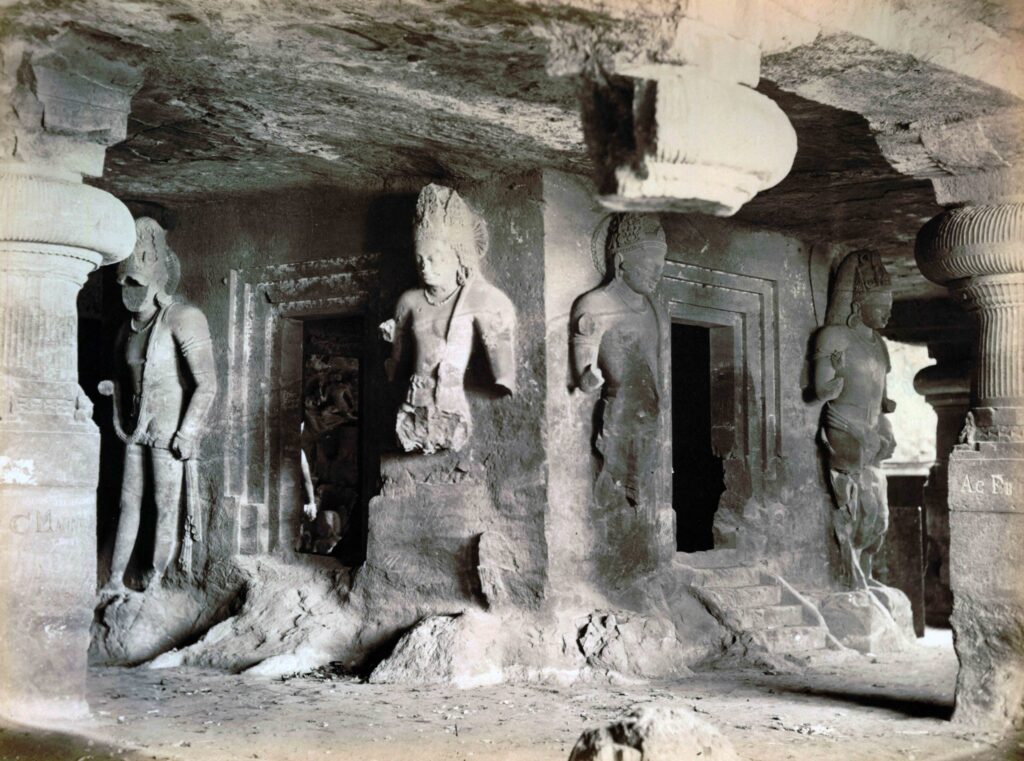
Experts say these ancient caves are a masterpiece of rock-cut architecture reflecting India's rich cultural heritage.
Table of Content 📚
- Introduction to Elephanta Caves
- Historical Significance
- Architectural Features
- Cultural Influence
- Biodiversity around Elephanta
- Visiting the Elephanta Caves
- Preservation Efforts
- Local Myths and Legends
- Tourist Experience
- Connecting with Nature
- The Art of Rock-Cutting
- Festivals Celebrated
- Art and Craft Souvenirs
- Future of the Caves
- Conclusion and Further Reading
Google Maps link to Elephanta Caves
Introduction to Elephanta Caves
Elephanta Caves, situated on Elephanta Island near Mumbai, is a remarkable site that showcases the artistic genius of ancient Indian artisans. Here, you will find awe-inspiring rock-cut caves that date back to the 5th to 8th centuries, housing beautiful sculptures dedicated to Lord Shiva. For lovers of history and art, these caves are a treasure trove, reflecting the rich cultural tapestry of India.
Visitors are captivated by the elaborate sculptures and intricate carvings that depict various facets of Hindu mythology, especially those revolving around Lord Shiva. It's not merely an archaeological site; it serves as a spiritual sanctuary for those who seek to immerse themselves in India's rich heritage.
Historical Significance
The Elephanta Caves have garnered attention not just as a tourist destination but also as a crucial site in India’s historical timeline. The exact origins of the caves are a subject of debate: some scholars attribute them to the rule of the Western Indian dynasties like the Kalachuris, while others hint at influences from the Gupta Empire.
The caves are split into Hindu and Buddhist structures, indicating a blend of religious traditions. Notably, the Shiva Temple is a centerpiece, showcasing how Hinduism shaped the region. The site was rediscovered by the Portuguese in the 16th century, drawing further interest and making it a cultural landmark in India.
| Feature | Details |
|---|---|
| Discovery | 16th Century by the Portuguese |
| Era | 5th-8th Century |
| Religious Influence | Hinduism and Buddhism |
| World Heritage Site | Yes, UNESCO since 1987 |
Architectural Features
Elephanta Caves are a marvel of rock-cut architecture, featuring intricate carvings and monumental sculptures. The primary cave, often referred to as the "Great Cave," includes a stunning depiction of the Trimurti, a 20-foot sculpture of a three-headed Shiva that amazes visitors.
The complex consists of several caves, each with its uniqueness, adorned with reliefs depicting stories from Hindu mythology. The craftsmanship reveals a sophisticated understanding of both artistry and engineering, showcasing how artisans utilized natural rock formations to create breathtaking works of art.
| Architectural Aspect | Details |
|---|---|
| Main Cave | Great Cave with Shiva Trimurti |
| Sculptural Styles | Hindu Mythology |
| Carving Techniques | Rock-Cutting |
Cultural Influence
Elephanta Caves have significantly influenced various forms of cultural expression beyond mere religion or architecture. The caves inspire local art, music, and dance, reflecting the spiritual essence imbued in their very stones.
The annual Elephanta Festival celebrates this cultural richness, drawing performers and artists from all over India to showcase their work in this historic setting. Such events not only highlight local talent but also boost tourism, ensuring that the cultural heritage of Elephanta is preserved for future generations.
| Cultural Element | Details |
|---|---|
| Influence on Art | Local crafts and paintings |
| Annual Festival | Elephanta Festival |
| Performances | Dance and music showcasing |
Biodiversity around Elephanta
The island is not solely about the caves; it hosts vibrant flora and fauna, creating a harmonious balance between nature and history. Elephanta Island is home to diverse species, including many native birds and beautiful plant life, making it a great spot for eco-tourism lovers.
Walking through the trails of the island, one can appreciate the natural beauty that complements the human-made marvels of the caves. This biodiversity enhances the experience, making a visit not only educational but also refreshing for those who cherish nature.
| Biodiversity Aspect | Details |
|---|---|
| Native Species | Diverse flora and fauna |
| Ecosystem | Coastal and forest environments |
| Eco-Tourism Potential | Nature trails and bird watching |
Visiting the Elephanta Caves
For anyone planning to explore the Elephanta Caves, several logistic factors are worth noting. Accessibility is quite good, with ferries operating from the Gateway of India to Elephanta Island, providing a picturesque ride along Mumbai’s coastline.
Once on the island, visitors can choose various guided tours that enlighten them about the rich history and mythology inscribed in stone. While it might be advisable to carry water and snacks, several local eateries offer delightful snacks for a quick energy boost.
| Visiting Details | Information |
|---|---|
| Access Point | Gateway of India |
| Transportation | Ferries to Elephanta Island |
| Guided Tours | Available on-site |
Preservation Efforts
Efforts to preserve and protect Elephanta Caves date back decades, as they face threats from pollution and vandalism. The Archaeological Survey of India has initiated various conservation projects aimed at restoring damaged sculptures and maintaining the structural integrity of the caves.
Awareness campaigns are also organized to encourage responsible tourism, educating visitors about the importance of preserving this cultural site. Such efforts are vital to ensure that future generations can enjoy and learn from these incredible structures.
| Preservation Efforts | Details |
|---|---|
| Governing Body | Archaeological Survey of India |
| Conservation Projects | Restoration of sculptures |
| Educational Campaigns | Responsible tourism awareness |
Local Myths and Legends
The Elephanta Caves are steeped in mythology, each sculpture carrying stories that resonate through local folklore. Among these, tales of the great god Shiva, who is said to have manifested in various forms, are especially prominent.
Local legends speak of the caves being a site of divine power, where pilgrims would seek blessings and share experiences. Such folklore adds a layer of mystique to the already captivating site, offering a glimpse into how the past continues to influence the present.
| Legend | Description |
|---|---|
| Shiva's Manifestation | Tales of divine appearances |
| Pilgrimage Site | Stories of blessing and faith |
| Cultural Narratives | Local tales and histories |
Tourist Experience
For tourists, the experience at Elephanta Caves is undoubtedly enchanting. As visitors enter the Great Cave, they are welcomed by stunning sculptures that narrate intricate tales. The serene environment, combined with the sounds of nature, elevates the overall experience.
Photography enthusiasts find endless beauty, while spiritual individuals can connect with the essence of Lord Shiva in this divine setting. Ultimately, the Elephanta Caves strive to leave a lasting imprint on every visitor, allowing them to leave with cherished memories.
| Tourist Experience | Highlights |
|---|---|
| Sculpture Viewing | Magnificent art |
| Nature Walks | Exploring surrounding beauty |
| Cultural Immersion | Engaging local traditions |
Connecting with Nature
The Elephanta Caves are a remarkable blend of human ingenuity and nature’s splendor. The island is not just about the caves, as visitors can enjoy pleasant walks amidst lush greenery and ocean views.
This connection with nature enhances the visit, allowing tourists to immerse themselves in the beauty that surrounds these ancient structures. Relaxation spots have been created for visitors to unwind while taking in the breathtaking scenery.
| Nature Aspect | Details |
|---|---|
| Scenic Walks | Nature trails around the caves |
| Flora and Fauna | Diverse ecosystems |
| Relaxation Spots | Benches and lookout points |
The Art of Rock-Cutting
The craftsmanship involved in creating the Elephanta Caves is unparalleled, showcasing exceptional rock-cutting techniques. Ancient artisans skillfully carved elaborate sculptures from solid rock, using primitive tools to achieve a high level of detail and precision.
This remarkable skill is seen in the intricate patterns and figures that dominate the cave walls, reflecting both artistic excellence and respectful homage to religion. It highlights a time when art and spirituality went hand in hand to create magnificent legacies.
| Artistic Aspect | Details |
|---|---|
| Rock-Cutting Techniques | Primitive yet effective |
| Detail and Precision | High artistic quality |
| Cultural Significance | Merging art with spirituality |
Festivals Celebrated
Throughout the year, the Elephanta Caves host numerous festivals that celebrate the cultural heritage of the region. Notable among these is the Elephanta Festival, which occurs during the month of January and lasts several days.
This festival showcases local artists performing various art forms, including dance and music, while also highlighting the beauty of this historical site. Such celebrations not only attract tourists but also involve local communities, keeping the cultural flame alive.
| Festival Name | Details |
|---|---|
| Elephanta Festival | Annual celebration in January |
| Activities | Dance, music, and art exhibitions |
| Community Involvement | Engaging local performers |
Art and Craft Souvenirs
A visit to Elephanta Caves wouldn’t be complete without taking home a piece of its charm. Numerous local artisans craft unique souvenirs such as miniature sculptures, traditional paintings, and handmade crafts that embody the spirit of Elephanta.
These items serve as excellent mementos and help support the local economy. Not only are they reminders of a wonderful visit, but they also reflect the richness of the culture and artistry that thrives in the region.
| Souvenir Type | Details |
|---|---|
| Miniature Sculptures | Crafted by local artisans |
| Traditional Crafts | Art reflecting local culture |
| Artistic Paintings | Unique pieces to take home |
Future of the Caves
The Elephanta Caves stand as a testament to India's historical richness, but their future relies on sustainable tourism and conservation efforts. With increasing footfall, authorities are keen on executing strategies to protect and preserve these ancient caves while balancing the demand for tourism.
Initiatives such as improved infrastructure and visitor awareness programs are being planned to guarantee the longevity of this cultural site. The task ahead is daunting, yet the commitment of both local communities and governments promises a hopeful future.
| Future Aspect | Details |
|---|---|
| Conservation Strategies | Protection and sustainable practices |
| Tourism Management | Balancing visitors with preservation |
| Community Engagement | Involvement in conservation efforts |
Conclusion and Further Reading
In conclusion, the Elephanta Caves offer an enriching journey through time, culture, and art. Their beauty, historical significance, and spiritual significance make them a must-visit destination for lovers of history and art alike.
We invite our readers to explore further articles detailing similar sites and cultural experiences, as every step taken through India’s rich heritage continues to unfold fascinating stories. Check out other articles for more incredible journeys!
You may also enjoy these related topics:
- Caves of India,
- Rock-Cut Temples,
- UNESCO Heritage Sites,
- Indian Art and Culture,
- Mysteries of Ancient India.
For more information, visit Wikipedia’s page on Elephanta Caves.
Thanks for putting this together. Very helpful and well-organized. [XQ7T9]
The detail about the rock-cut architecture being a masterpiece is so true—seeing it in person is breathtaking. I used some great tips from https://cabligo.com when planning my trip to Mumbai, which really helped me appreciate the historical significance. Thanks for including the section on local myths, those stories add such a fascinating layer to the visit.