

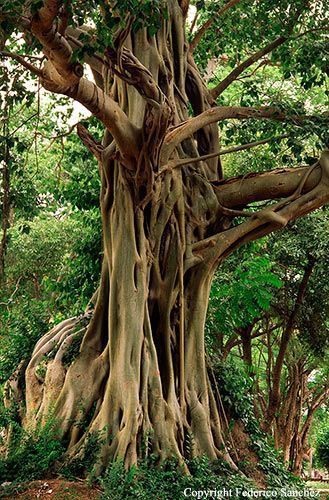
The Mahabodhi Tree, also called Ficus religiosa or sacred fig, is very important in Buddhism.
What Expert Says
🌳 The Sacred Mahabodhi Tree: A Spiritual Journey Through Time 🌳
Hey there, Spiritual Lovers! Welcome to our comprehensive guide on one of Buddhism’s most venerated living monuments – the Mahabodhi Tree. This ancient fig tree stands as a living testament to Buddha’s enlightenment and continues to inspire millions of devotees and travelers from around the world.
In this article, we’ll explore the fascinating history, spiritual significance, and practical information for those planning to visit this sacred site. Whether you’re a devout Buddhist, a history enthusiast, or simply curious about world religions, the Mahabodhi Tree offers profound insights into humanity’s spiritual journey.
🌟 The Historical Significance of the Mahabodhi Tree 🌟
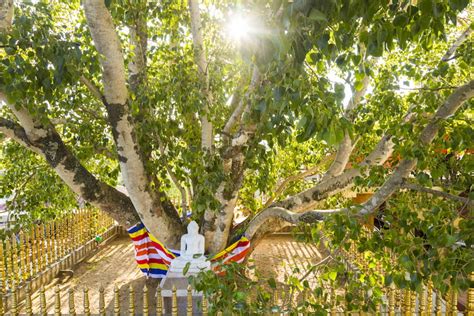
The Mahabodhi Tree, scientifically known as Ficus religiosa or sacred fig, holds profound historical importance in Buddhism as it is believed to be a direct descendant of the original Bodhi Tree under which Siddhartha Gautama attained enlightenment and became Buddha in the 6th century BCE. Located in Bodh Gaya, India, this tree represents the exact spot where Buddha sat in meditation for 49 days before achieving enlightenment.
Archaeological evidence and ancient texts suggest that Emperor Ashoka, a key figure in spreading Buddhism, visited the site around 250 BCE and built the first shrine around the tree. His daughter, Sanghamitta, is said to have taken a sapling from the original tree to Sri Lanka, where it continues to grow in Anuradhapura – providing a genetic lineage to the original tree even after the Bodh Gaya tree faced numerous destructions throughout history.
The Bodhi Tree in Buddhist Scriptures
The Bodhi Tree appears prominently in Buddhist texts, particularly in the Jataka tales that recount Buddha’s previous lives. According to these scriptures, Buddha spent his first week after enlightenment standing without blinking while gazing at the tree in gratitude. This period, known as “The Week of the Unblinking Eyes,” illustrates the deep reverence Buddha held for the tree that sheltered him during his spiritual transformation.
In the Pali Canon, numerous references describe how the tree served not just as physical shelter but as a spiritual symbol representing the axis mundi – the connection between heaven, earth, and the underworld. This symbolic representation helped early Buddhists visualize the profound cosmic significance of Buddha’s enlightenment experience.
Destruction and Regeneration Through History
The Mahabodhi Tree has survived numerous threats throughout its long history. Historical records indicate that the original tree was destroyed multiple times – most notably by King Pushyamitra Shunga in the 2nd century BCE and later by King Shashanka in the 7th century CE, who reportedly cut down and burned the tree in an attempt to eradicate Buddhism.
However, the tree’s remarkable resilience mirrors Buddhist teachings on impermanence and renewal. After each destruction, the tree was regrown from saplings or seeds, with the current tree believed to be a direct descendant planted in 1881 from a sapling of the Sri Lankan Bodhi Tree, which itself originated from the original tree. This biological continuity provides a physical link to Buddha that spans over 2,500 years.
| Historical Period | Event | Impact on the Mahabodhi Tree |
|---|---|---|
| 6th century BCE | Buddha’s enlightenment | Original tree sheltered Buddha |
| 250 BCE | Emperor Ashoka’s visit | First shrine constructed |
| 2nd century BCE | Destruction by King Pushyamitra | Tree damaged but regrew |
| 7th century CE | Destruction by King Shashanka | Tree burned and destroyed |
| 1881 CE | Replanting | Current tree planted from Sri Lankan sapling |
| 2002 CE | UNESCO recognition | Declared World Heritage Site |
| Present day | Conservation efforts | Protected with special care protocols |
🏯 The Mahabodhi Temple Complex: Home of the Sacred Tree 🏯
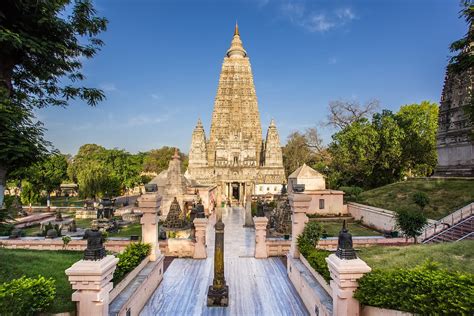
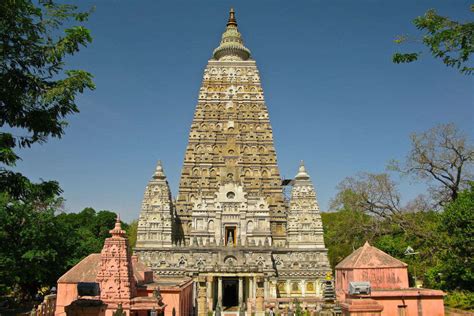
The Mahabodhi Tree stands within the magnificent Mahabodhi Temple Complex, a UNESCO World Heritage Site that attracts millions of pilgrims and tourists annually. The temple, with its soaring spire reaching approximately 55 meters, dominates the landscape and provides a stunning architectural frame for the sacred tree located just behind it.
The current temple structure dates primarily from the Gupta period (5th-6th centuries CE), though it has undergone numerous renovations and restorations throughout its history. What makes this complex particularly remarkable is the harmony between natural and man-made elements – the living tree integrated seamlessly into the architectural masterpiece that commemorates Buddha’s enlightenment.
The Temple Architecture and Layout
The Mahabodhi Temple follows classical Indian temple architecture with distinctive Buddhist adaptations. Its pyramidal spire is adorned with intricate carvings depicting scenes from Buddha’s life and various Buddhist motifs. Four smaller towers echo the design of the main spire at each corner of the structure, creating a harmonious visual balance.
The interior of the temple houses a large gilded statue of Buddha in the earth-touching posture (bhumisparsha mudra), representing the moment of enlightenment. Surrounding the main temple are various meditation spots, stupas, and prayer halls where visitors can engage in spiritual practices. The complex’s overall design follows sacred geometry principles believed to facilitate meditation and spiritual awakening.
Conservation Challenges and Efforts
Preserving a living tree that’s over a century old (and represents a lineage spanning millennia) presents unique conservation challenges. The Bodhi Tree requires specialized care to protect it from environmental stressors, diseases, and the impact of millions of visitors each year.
The Bodhgaya Temple Management Committee, in collaboration with botanical experts, has implemented comprehensive conservation measures including regular health assessments, careful pruning, soil management, and protective barriers that allow visitors to view the tree without causing damage. In recent years, advanced techniques like growth monitoring sensors and specialized irrigation systems have been employed to ensure the tree’s continued health.
| Feature | Description | Significance |
|---|---|---|
| Main Temple | 55-meter pyramidal structure | Houses Buddha statue in earth-touching pose |
| Bodhi Tree | Sacred fig (Ficus religiosa) | Direct descendant of Buddha’s enlightenment tree |
| Vajrasana | Diamond throne platform | Exact spot where Buddha meditated |
| Meditation Garden | Landscaped grounds | Areas for visitors to practice meditation |
| Ancient Railings | Stone barriers | Some dating to Ashoka’s time (3rd century BCE) |
| Seven Sacred Sites | Marked locations | Places where Buddha spent time after enlightenment |
| Museum | Collection of artifacts | Buddhist relics and historical items |
You can find the Mahabodhi Temple Complex at:
https://www.google.com/maps/search/?api=1&query=Mahabodhi+Temple+Complex+Bodh+Gaya+India
🧘♀️ Spiritual Practices and Pilgrimages to the Mahabodhi Tree 🧘♂️

For Buddhists worldwide, a pilgrimage to the Mahabodhi Tree represents one of life’s most profound spiritual journeys. Devotees travel thousands of miles to meditate in the presence of this living connection to Buddha, believing that spiritual practices performed here carry special significance. The atmosphere around the tree is often charged with devotional energy as monks in saffron robes chant sutras while pilgrims circumambulate the tree in silent meditation.
Many practitioners report powerful experiences of insight and peace while meditating near the tree, attributing this to both the site’s historical significance and the collective devotional energy of countless pilgrims who have visited over centuries. The practice of leaving offerings such as flowers, incense, prayer flags, and butter lamps near the tree continues the ancient tradition of honoring this sacred living monument.
Meditation Practices at the Bodhi Tree
Different Buddhist traditions have developed specific meditation practices to be performed at the Mahabodhi Tree. Theravada practitioners often engage in mindfulness meditation (vipassana), seeking insight into the three marks of existence that Buddha realized here. Mahayana followers might practice visualization techniques and recite the Heart Sutra, while Vajrayana Buddhists may perform specific tantric practices associated with this sacred site.

Regardless of tradition, most visitors observe periods of silence and contemplation, often focusing on the five events that occurred during Buddha’s enlightenment week – his victory over Mara (the embodiment of temptation), his achievement of omniscience, his consideration of the causal chain (dependent origination), his enjoyment of liberation, and his reflection on the dharma he would teach.
Annual Festivals and Ceremonies
The Mahabodhi Tree is the centerpiece of numerous Buddhist festivals throughout the year. The most significant celebration is Buddha Purnima (Vesak), marking Buddha’s birth, enlightenment, and death, typically occurring in May. During this festival, the tree is adorned with lights and offerings while thousands gather for all-night meditation sessions and dharma talks by prominent teachers.
Another important observance is Kagyu Monlam, a prayer festival organized by the Kagyu school of Tibetan Buddhism where thousands of monks and laypeople gather for ten days of prayers for world peace. During winter months, the tree witnesses the Nyingma Monlam and Tipitaka chanting ceremonies that bring together practitioners from diverse Buddhist traditions in a rare display of pan-Buddhist unity.
| Practice | Description | Purpose |
|---|---|---|
| Circumambulation | Walking clockwise around the tree | Shows respect and generates merit |
| Silent Meditation | Seated practice near the tree | Connects with Buddha’s enlightenment experience |
| Prostrations | Full-body bows toward the tree | Demonstrates humility and devotion |
| Sutra Recitation | Chanting Buddhist scriptures | Remembers Buddha’s teachings |
| Butter Lamp Offerings | Lighting of ghee or oil lamps | Symbolizes the light of wisdom |
| Prayer Flag Placement | Colorful flags with printed prayers | Spreads blessings through the wind |
| Dana (Giving) | Offerings to monks and the needy | Practices generosity as taught by Buddha |
Practical Information for Pilgrims and Visitors
For those planning a spiritual journey to the Mahabodhi Tree, the best time to visit is between October and March when the weather is most comfortable. The summer months can be extremely hot, while the monsoon season (June-September) brings heavy rainfall that may limit outdoor meditation opportunities.

The temple complex opens daily from 5:00 AM to 9:00 PM, with the early morning and evening hours offering the most serene atmosphere for meditation. Visitors should dress modestly, covering shoulders and knees as a sign of respect. Photography is permitted in most areas, but flash photography near the tree is prohibited to preserve its health and maintain the peaceful atmosphere.
While the tree is accessible to all visitors, those wishing to meditate for extended periods may need to obtain special permission from the temple management, particularly during peak pilgrimage seasons when the site becomes extremely crowded.
🌿 Botanical Significance and Conservation of the Mahabodhi Tree 🌿
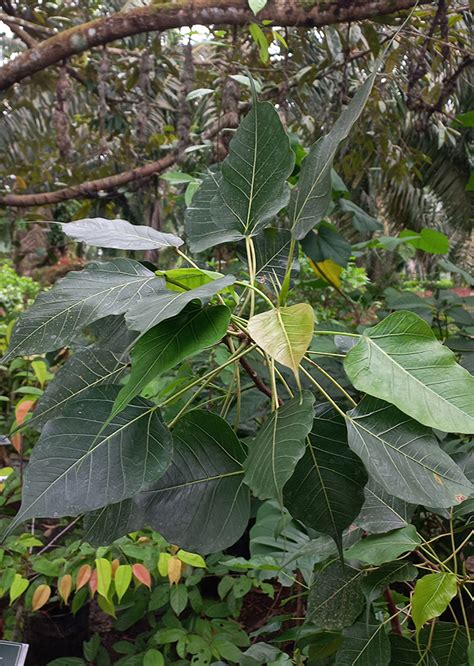
Beyond its religious importance, the Mahabodhi Tree holds significant botanical value as an exceptional specimen of Ficus religiosa. This species, commonly known as the sacred fig or peepal tree, is notable for its heart-shaped leaves with distinctive elongated tips that cause a characteristic rustling sound even in gentle breezes – a feature that has inspired meditation for millennia.
Botanists study this particular tree for its remarkable longevity and genetic lineage. While the current tree was planted in 1881, its genetic material connects it directly to Buddha’s time through the Sri Lankan Bodhi Tree lineage. Scientists have conducted DNA studies to verify this connection, confirming that despite numerous destructions and replantings, the genetic line has been maintained.
The Botanical Characteristics of Ficus Religiosa
The Mahabodhi Tree belongs to the fig family (Moraceae) and exhibits several fascinating biological characteristics. It is a keystone species in its natural ecosystem, providing food and habitat for numerous birds, insects, and mammals. Its elaborate root system, which can extend far beyond the canopy’s drip line, helps prevent soil erosion and replenish groundwater.
One of the most interesting features of Ficus religiosa is its reproductive relationship with specific fig wasp species (Blastophaga quadraticeps). This mutualistic relationship is so specialized that neither the tree nor the wasp can reproduce without the other – a phenomenon that botanists consider one of nature’s most remarkable examples of co-evolution.
Environmental Challenges and Preservation Efforts
The Mahabodhi Tree faces several environmental challenges. Air pollution from increasing industrialization and vehicular traffic in the region poses a threat to its health. Climate change has also affected rainfall patterns, potentially stressing the tree’s well-established root system. Additionally, the immense number of visitors – over a million annually – creates physical stress on the soil around the tree.
To address these challenges, conservation experts have implemented an integrated preservation plan. This includes establishing a microclimate control system that monitors and regulates soil moisture and temperature, installing specialized lightning protection due to the tree’s height, and creating buffer zones to limit direct human contact with the tree’s root system.
Modern conservation technologies, including 3D scanning and growth monitoring sensors, now document the tree’s development with unprecedented precision. Genetic material has been carefully preserved in several botanical repositories worldwide to ensure this living connection to Buddha can be maintained for future generations, regardless of environmental challenges.
| Aspect | Details | Conservation Measures |
|---|---|---|
| Scientific Name | Ficus religiosa | Genetic preservation programs |
| Age | Current tree planted 1881 | Growth monitoring technology |
| Height | Approximately 24 meters | Structural support systems |
| Root System | Extensive spreading roots | Protected soil zones |
| Leaf Characteristics | Heart-shaped with long drip tips | Regular botanical assessment |
| Genetic Lineage | Connected to original tree via Sri Lanka | DNA verification studies |
| Environmental Threats | Pollution, climate change, tourism impact | Microclimate control systems |
Cultural Impact Beyond Buddhism
The Mahabodhi Tree’s influence extends far beyond Buddhism. Its distinctive leaf shape appears in art and architecture throughout Asia and has become a universal symbol of wisdom and enlightenment. The tree has inspired countless literary works, from ancient Pali texts to modern environmental poetry celebrating its resilience.
In Hindu tradition, the peepal tree is associated with Vishnu and considered sacred in its own right. Jain texts also revere the tree, creating interesting interfaith connections at this site. Environmental organizations worldwide use the Mahabodhi Tree as a powerful symbol of conservation, highlighting how cultural and spiritual values can enhance protection efforts for significant natural heritage.
🧠 Philosophical Teachings Associated with the Mahabodhi Tree 🧠

The Mahabodhi Tree isn’t merely a physical location but represents the setting for humanity’s profound philosophical breakthrough. Under its branches, Buddha formulated the Four Noble Truths and the Eightfold Path that form the foundation of Buddhist philosophy. This transformative insight into the nature of suffering, its causes, and the path to liberation occurred during Buddha’s 49 days of meditation beneath this tree.
The tree itself has become a powerful metaphor in Buddhist teachings. Its roots represent groundedness in ethical conduct, its trunk symbolizes the steadiness of meditation practice, and its branches reaching toward the sky reflect the aspiration for wisdom and enlightenment. Leaves falling and regenerating illustrate impermanence (anicca), while the tree’s resilience through centuries mirrors Buddha’s teachings on overcoming suffering.
The Tree as a Symbol of Awakening
In Buddhist philosophy, the Bodhi Tree serves as more than just historical context—it embodies the transformative process of enlightenment itself. Just as the tree provides shelter, the dharma (Buddha’s teachings) offers protection from suffering. The tree’s natural growth parallels spiritual development, requiring proper conditions but unfolding according to its inherent nature.

Meditation masters throughout history have used the image of sitting under the Bodhi Tree to help practitioners understand the enlightenment experience. The phrase “sitting under the Bodhi Tree” has transcended its literal meaning to represent any sincere effort to discover truth through contemplative practice, regardless of one’s physical location or religious tradition.
Interconnection and Dependent Origination
One of Buddha’s key realizations beneath the Mahabodhi Tree was dependent origination (pratītyasamutpāda)—the understanding that all phenomena arise in dependence upon multiple causes and conditions. The tree itself exemplifies this teaching; it exists through a complex web of relationships involving soil, water, sunlight, pollinators, and human protection.
Contemporary Buddhist teachers often point to the Mahabodhi Tree as a living example of ecological interdependence, using it to explain both traditional Buddhist philosophy and modern environmental ethics. The preservation efforts surrounding the tree demonstrate practical application of these teachings—recognizing that human actions directly affect its wellbeing, just as our actions create ripple effects throughout all relationships.
| Philosophical Concept | Relation to the Bodhi Tree | Modern Interpretation |
|---|---|---|
| Four Noble Truths | Discovered under the tree | Framework for addressing suffering |
| Dependent Origination | Tree’s existence depends on multiple factors | Ecological interdependence |
| Impermanence (Anicca) | Cycle of leaves falling and growing | Embracing change as natural |
| Non-self (Anatta) | Tree continues despite cellular replacement | Identity as process rather than fixed entity |
| Middle Way | Tree balanced between earth and sky | Avoiding extremes in practice and life |
| Mindfulness | Buddha’s awareness under the tree | Present moment awareness in daily life |
| Compassion | Tree provides shelter without discrimination | Universal care for all beings |
Mindfulness and Contemplative Practices
The Mahabodhi Tree serves as a potent reminder of mindfulness practice’s transformative power. Buddha’s enlightenment didn’t come through theoretical speculation but through direct, sustained observation of reality. Modern mindfulness practitioners often visualize the Bodhi Tree during meditation to connect with this tradition of present-moment awareness.

Contemplative practices associated with the tree have evolved across various Buddhist traditions. Zen practitioners might contemplate koans (paradoxical statements) related to the tree, such as “What was your original face before your parents were born?” Tibetan visualization practices sometimes include imagining the tree as part of complex mandalas representing the enlightened mind.
🌏 Global Influence and Cultural Representations of the Mahabodhi Tree 🌏
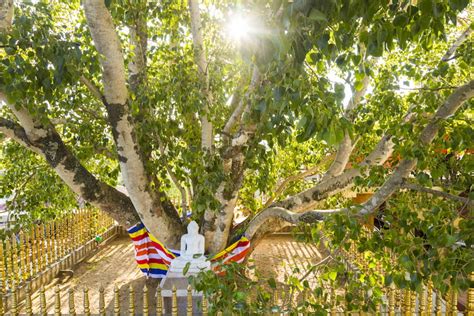
The Mahabodhi Tree has transcended its geographical location to become a universal symbol recognized worldwide. Its distinctive leaf shape appears in religious art across Asia and increasingly in global contexts as Buddhism continues to spread internationally. From ancient stone carvings to modern digital art, the tree’s silhouette instantly communicates concepts of enlightenment, wisdom, and spiritual awakening.
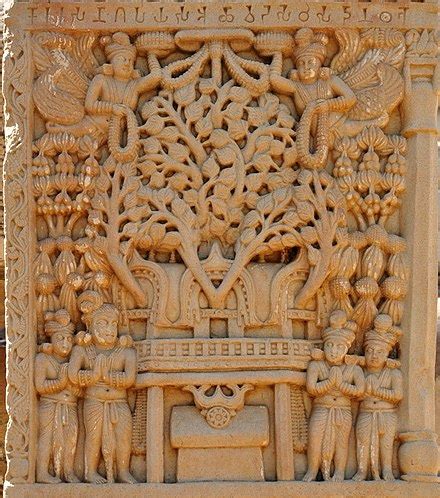
Archaeological evidence shows that representations of the Bodhi Tree predate Buddha images in early Buddhist art. During the aniconic period (early centuries after Buddha’s passing), when Buddha himself was represented only through symbols rather than human form, the tree served as one of the primary representations of his enlightenment, appearing on countless stupas and temples.
Artistic Representations Throughout History
The Mahabodhi Tree has inspired countless artistic expressions across diverse cultures and time periods. Early Indian art at sites like Sanchi and Bharhut feature elaborate carvings of the tree adorned with garlands and surrounded by devotees. These detailed representations not only document historical reverence for the tree but also provide botanically accurate depictions that have helped confirm its species identification.
In East Asian traditions, particularly Chinese and Japanese Buddhist art, the tree often appears in stylized form alongside seated Buddha figures. Tibetan thangka paintings frequently depict the enlightenment scene with the tree rendered in intricate detail, often incorporating symbolic elements like the “six ornaments” that represent the perfections of generosity, ethics, patience, diligence, concentration, and wisdom.
Modern Media and Popular Culture
The Mahabodhi Tree has found its way into contemporary media and popular culture through various channels. Documentary films about Buddhism prominently feature footage of the tree, while meditation apps often use its image as a visual focus. The tree appears in numerous books on spirituality and mindfulness, transcending strictly Buddhist contexts to become a broader symbol of spiritual awakening.
In digital media, the tree has become a popular element in meditation videos, spiritual websites, and even video games exploring themes of enlightenment. Social media platforms frequently feature images of visitors at the Mahabodhi Tree, spreading awareness of this sacred site to audiences who might never have encountered it through traditional channels.
| Cultural Context | Representation of the Bodhi Tree | Notable Examples |
|---|---|---|
| Early Buddhist Art | Symbol replacing Buddha image | Sanchi Stupa carvings (2nd century BCE) |
| Theravada Tradition | Central focus in temple design | Replicas in Sri Lanka, Thailand, Myanmar |
| Mahayana Art | Background element with Buddha figure | Dunhuang cave paintings (China) |
| Tibetan Buddhism | Detailed element in thangkas | Traditional mandala paintings |
| Modern Architecture | Inspiration for temple design | Global Buddhist centers |
| Contemporary Media | Symbol in mindfulness applications | Meditation apps and websites |
| Environmental Movements | Icon for conservation efforts | Tree planting ceremonies worldwide |
Global Replicas and Descendant Trees
The Mahabodhi Tree’s influence extends through its many descendent trees and replicas planted worldwide. The most famous is the Sri Lankan Bodhi Tree at Anuradhapura, believed to be grown from a cutting of the original tree brought by Emperor Ashoka’s daughter in the 3rd century BCE. This tree, now over 2,200 years old, is itself a major pilgrimage site.
Other descendant trees grow at significant Buddhist sites across Asia, including Thailand’s Wat Mahathat, Myanmar’s Shwedagon Pagoda, and Japan’s Nara temples. In recent decades, planting ceremonies for Bodhi Tree saplings have become international gestures of peace and environmental consciousness, with trees now growing in countries with no historical Buddhist presence, including parts of Europe and the Americas.
📷 Visitor Experience and Photography Tips at the Mahabodhi Tree 📷
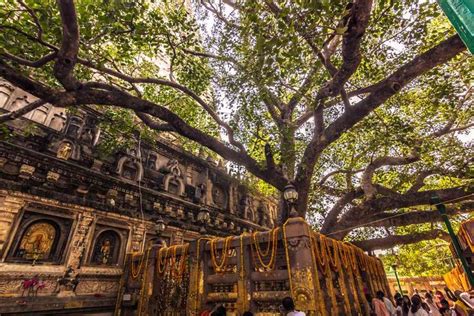
Visiting the Mahabodhi Tree offers a unique blend of spiritual pilgrimage and cultural tourism. The experience varies significantly depending on when you visit. During major Buddhist festivals, the site buzzes with energy as thousands of pilgrims chant, meditate, and perform rituals. In contrast, early mornings outside festival periods offer tranquil opportunities for personal reflection and photography without crowds.
Most visitors circumambulate the tree and temple complex clockwise, following ancient tradition. This walking meditation provides different perspectives of the tree and allows visitors to absorb the site’s atmosphere gradually. Various meditation spots around the complex offer places to sit quietly, some providing direct views of the tree while others create more secluded environments for deeper contemplation.
Best Times for Photography
For photographers hoping to capture the Mahabodhi Tree’s essence, timing is crucial. The golden hours just after sunrise and before sunset create magical lighting conditions that illuminate the tree’s distinctive leaves. During winter months (November-February), morning mist often creates ethereal scenes as the first light filters through fog surrounding the tree.
Early morning also provides opportunities to photograph monks in their daily rituals around the tree, offering authentic glimpses into living Buddhist practice. When photographing people, remember to ask permission, especially during prayers or meditation. Most monks are accustomed to visitors and will often graciously agree if approached respectfully.
Photography Techniques and Considerations
The challenging lighting conditions around the tree – bright sky contrasting with shaded areas beneath the canopy – require thoughtful photography techniques. HDR (High Dynamic Range) photography or bracketing exposures can help capture the full range of light. A polarizing filter reduces reflections on the leaves, bringing out their natural green tones more vividly.
While wide-angle shots capture the tree in its architectural context, don’t overlook macro opportunities focusing on details like leaf patterns, devotional offerings, or the texture of the ancient bark. These intimate perspectives often convey the site’s spiritual significance more powerfully than panoramic views.
| Photography Tips | Best Times | Technical Suggestions |
|---|---|---|
| Golden Hour Lighting | 6:00-7:30 AM, 5:00-6:30 PM | Use low ISO, tripod for stability |
| Devotional Activities | Festival days, early mornings | Telephoto lens for unobtrusive documentation |
| Architectural Context | Mid-morning with clear skies | Wide-angle lens, vertical composition |
| Detail Shots | Any time with good light | Macro lens, shallow depth of field |
| Night Photography | Full moon nights (special access required) | Tripod, long exposure settings |
| Seasonal Variations | Autumn for leaf colors, Spring for new growth | Polarizing filter for vibrant colors |
| People and Scale | Avoid midday crowds | Seek permission when photographing devotees |
Respectful Visitor Etiquette
Visitors should approach the Mahabodhi Tree with respect for its spiritual significance. Dress modestly with shoulders and knees covered. Remove shoes before entering temple areas as per local custom. Speak quietly and turn mobile phones to silent mode to maintain the peaceful atmosphere.
While photography is generally permitted, avoid using flash near the tree as it can disturb both the meditative atmosphere and potentially harm the tree itself. Similarly, drones are strictly prohibited in the entire complex. Most importantly, remember that for many visitors, this is not simply a tourist attraction but one of Buddhism’s most sacred sites – their primary purpose is worship rather than sightseeing.
🔎 Archaeological Discoveries and Research Around the Mahabodhi Tree 🔎
The area surrounding the Mahabodhi Tree has yielded rich archaeological findings that corroborate and expand upon historical accounts. Excavations conducted in the late 19th century by Alexander Cunningham and in the 20th century by the Archaeological Survey of India uncovered structural remains dating to various periods, providing physical evidence of the site’s continuous importance.
Among the most significant discoveries were sandstone railings dating to the Sunga period (2nd century BCE), featuring intricate carvings depicting Buddhist symbols and narratives. Excavations also revealed the remains of earlier temple structures, confirming historical accounts that the site underwent multiple reconstructions throughout its history.
The Vajrasana Throne and Ancient Artifacts
Perhaps the most important archaeological feature is the Vajrasana or “diamond throne,” a sandstone platform believed to mark the exact spot where Buddha sat during his enlightenment. Material analysis has confirmed portions of this platform date to Emperor Ashoka’s reign (3rd century BCE), making it one of the oldest surviving Buddhist structures.
Other notable discoveries include votive stupas, ancient coins spanning several dynasties, and inscriptions in various languages including Brahmi, Sanskrit, and Chinese. These inscriptions have proven invaluable for dating different phases of the site’s development and understanding how pilgrims from various cultures interacted with the sacred space throughout history.
Modern Scientific Studies
Contemporary research at the Mahabodhi site integrates traditional archaeology with cutting-edge scientific methods. Ground-penetrating radar has mapped subterranean structures without disturbance, while carbon dating and dendrochronology studies have helped establish more precise timelines for the site’s development.
Botanical research focuses on the tree itself, with studies examining its genetic makeup, growth patterns, and health. Environmental scientists monitor air quality, soil composition, and groundwater levels to assess potential threats to the tree’s longevity. These multidisciplinary approaches ensure both the historical context and living heritage of the Mahabodhi Tree are preserved and understood.
| Research Field | Discoveries/Focus | Significance |
|---|---|---|
| Archaeology | Ashoka-era foundation, railings | Confirms historical accounts |
| Epigraphy | Inscriptions in multiple languages | Documents international pilgrimage |
| Numismatics | Coins from various dynasties | Establishes chronology of site development |
| Dendrochronology | Tree ring studies of wood remnants | Dates structural elements precisely |
| Genetic Research | DNA analysis of current tree | Confirms lineage connection to Sri Lankan tree |
| Environmental Science | Soil composition, pollution impact | Informs conservation strategies |
| Digital Archaeology | 3D scanning, virtual reconstructions | Preserves current state for future reference |
The Archaeological Debate on the Original Location
Scholarly debate continues regarding whether the current Mahabodhi Tree stands precisely where the original once grew. While most evidence supports the traditional belief, some researchers have proposed alternative locations based on varying interpretations of ancient texts and geographical descriptions.
Recent archaeological work has largely reinforced the traditional view. Ground-penetrating radar studies have revealed continuity in foundation structures beneath the current tree, suggesting the site has remained consistent despite the tree itself being replanted multiple times. Ongoing research continues to refine our understanding of this important historical and spiritual landmark.
🧳 Travel Guide: Planning Your Visit to the Mahabodhi Tree 🧳
For travelers planning a visit to the Mahabodhi Tree, comprehensive preparation ensures a meaningful experience. Bodh Gaya, where the tree is located, has developed significantly as a pilgrimage center while retaining its spiritual atmosphere. The small town now offers accommodation options ranging from simple guesthouses to luxury hotels catering to international visitors.
The nearest airport is Gaya International Airport, approximately 17 kilometers away, with direct flights from major Indian cities and international connections from Buddhist countries like Thailand, Sri Lanka, and Myanmar during peak pilgrimage seasons. Alternatively, travelers can reach Bodh Gaya by train to Gaya Junction followed by a 30-minute taxi ride.
Best Seasons to Visit
The ideal time to visit the Mahabodhi Tree is from October to March when the weather is pleasant with daytime temperatures between 15-25°C (59-77°F). December and January are particularly popular due to comfortable temperatures and major Buddhist festivals, though this means larger crowds and higher accommodation prices.
Summer months (April-June) bring intense heat often exceeding 40°C (104°F), making extended outdoor visits challenging. The monsoon season (July-September) brings heavy rainfall that can limit activities, though some visitors appreciate the lush greenery and fewer crowds during this period.
Accommodation and Local Facilities
Bodh Gaya offers diverse accommodation options to suit all budgets. International Buddhist organizations from countries like Thailand, Japan, Tibet, and Sri Lanka maintain guesthouses primarily for their own pilgrims but often welcome other visitors when space permits. These facilities frequently offer vegetarian meals and meditation spaces.
Commercial hotels range from basic guesthouses to 5-star properties, with most clustered within walking distance of the temple complex. For longer spiritual retreats, several monasteries offer simple accommodation for serious practitioners who wish to undertake guided meditation programs, typically requiring advance application.
| Accommodation Type | Price Range (USD) | Features | Location |
|---|---|---|---|
| Buddhist Monasteries | $5-20 per night | Simple rooms, vegetarian meals, meditation halls | Throughout Bodh Gaya |
| Budget Guesthouses | $15-30 per night | Basic amenities, often family-run | Within 1km of temple |
| Mid-range Hotels | $30-80 per night | Air conditioning, restaurants, Wi-Fi | Main market area |
| Luxury Resorts | $100-250+ per night | Swimming pools, spa facilities, international cuisine | Outskirts of town |
| Meditation Centers | Varies (donation-based to fixed rates) | Structured programs, simple accommodation | Various locations |
Cultural Considerations and Etiquette
Visitors to the Mahabodhi Tree should observe appropriate cultural etiquette. Dress modestly with shoulders and knees covered, regardless of the weather. Remove shoes before entering temple areas and avoid pointing feet toward the tree or Buddha statues, as this is considered disrespectful in Buddhist cultures.
Photography is generally permitted, but avoid photographing people without permission, particularly monks in meditation. Flash photography near the tree is prohibited. Speaking softly and maintaining a respectful demeanor acknowledges the site’s spiritual significance for practicing Buddhists.
Most areas allow visitors of all faiths, though some special ceremonies may be restricted to practicing Buddhists. Non-Buddhist visitors should observe rather than participate in religious rituals unless specifically invited to do so by temple authorities.
🧿 The Mahabodhi Tree in Comparative Religious Studies 🧿

The Mahabodhi Tree offers fascinating insights for comparative religious studies as it exemplifies the concept of sacred trees across multiple traditions. While predominantly associated with Buddhism, the tree (Ficus religiosa) has significance in Hinduism and Jainism as well, creating an interesting interfaith nexus. In Hinduism, the peepal tree is associated with Vishnu and considered inherently sacred, with many devotees performing circumambulation and offering water to such trees.
This cross-religious veneration demonstrates how natural elements often transcend specific theological boundaries, forming common ground between diverse spiritual traditions. The concept of sacred trees appears in numerous world religions, from the Norse Yggdrasil to the Biblical Tree of Life, suggesting a near-universal human tendency to associate trees with spiritual awakening and cosmic connection.
Comparative Sacred Tree Traditions
While Buddhism centers on the Bodhi Tree as the site of enlightenment, similar tree veneration exists across cultures. Ancient Celtic traditions revered oak trees as channels for divine wisdom. In Norse mythology, Yggdrasil, the cosmic ash tree, connected different worlds. Middle Eastern traditions feature sacred date palms, while African spiritual systems often recognize specific trees as dwelling places for ancestral spirits.
What makes the Mahabodhi Tree distinctive in comparative studies is its historical specificity – unlike mythological sacred trees, it represents a precisely documented historical event connected to a historical figure. This combination of historical documentation with ongoing spiritual veneration provides scholars with unique opportunities to study how sacred spaces evolve over time while maintaining continuity of purpose.
Inter-religious Dialogue and Harmony
The Mahabodhi Tree has become an important site for inter-religious dialogue. Hindu pilgrims often visit alongside Buddhist practitioners, demonstrating how shared veneration can bridge theological differences. During major festivals, representatives from various Buddhist traditions that might otherwise have limited interaction come together in shared reverence.
In recent decades, the site has hosted formal interfaith ceremonies bringing together leaders from world religions to promote environmental conservation and peace. These gatherings emphasize the tree’s symbolic potential as a rallying point for universal values that transcend specific religious identities – particularly environmental ethics and non-violence.
| Religion | Significance of Bodhi/Peepal Tree | Associated Deities/Figures |
|---|---|---|
| Buddhism | Site of Buddha’s enlightenment | Gautama Buddha |
| Hinduism | Sacred tree associated with creation | Vishnu, Brahma |
| Jainism | Place of meditation for Tirthankars | Multiple Jain teachers |
| Indigenous Indian Traditions | Home of nature spirits | Various local deities |
| New Religious Movements | Symbol of ecological consciousness | Environmental principle |
| Baha’i Faith | Recognized as Buddhist sacred site | Acknowledged in writings |
| Sikh Pilgrimage | Historical site of interest | Respected as part of shared heritage |
The Tree as a Symbol of Religious Tolerance
The management of the Mahabodhi Temple Complex offers an important case study in religious pluralism. Since 1953, the site has been administered by a committee that includes both Buddhist and Hindu representatives – an arrangement that acknowledges the site’s significance across religious boundaries while ensuring its primary identity as a Buddhist pilgrimage destination.
This cooperative management model has been studied by scholars of religious conflict resolution as an example of how sacred sites with cross-cultural significance can be administered respectfully. While not without occasional tensions, the arrangement demonstrates possibilities for shared stewardship of religiously significant spaces in pluralistic societies.
🎨 Educational Initiatives and Cultural Programs at the Mahabodhi Tree 🎨
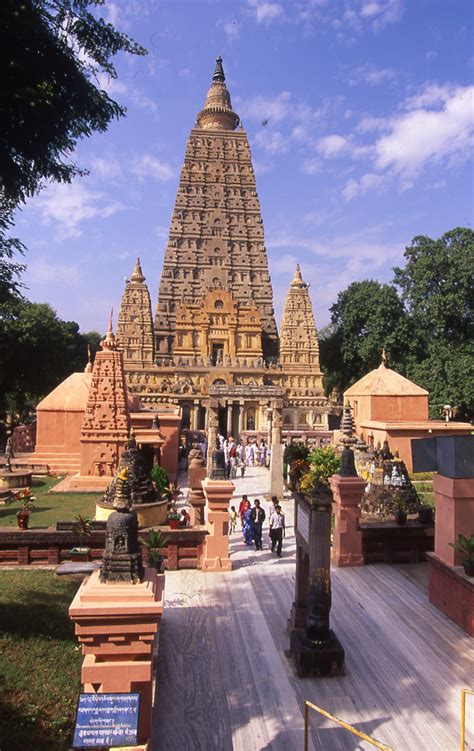
The Mahabodhi Tree serves as the centerpiece for numerous educational initiatives and cultural programs designed to preserve and transmit Buddhist heritage. The Mahabodhi Society, founded in 1891, conducts regular workshops on Buddhist philosophy, meditation techniques, and cultural practices for both local communities and international visitors. These programs range from introductory sessions for tourists to intensive retreats for serious practitioners.
Educational displays around the temple complex explain the historical significance of the tree and its role in Buddhist tradition, making the site accessible to visitors regardless of their prior knowledge. Multilingual guides and audio tours provide context in major world languages, ensuring the site’s significance transcends linguistic barriers.
Academic Research and Conferences
The Mahabodhi Tree has become a focal point for academic research, with universities worldwide conducting studies on its historical, cultural, and botanical aspects. The Nava Nalanda Mahavihara, a modern university established near Bodh Gaya, regularly hosts international conferences bringing together scholars from diverse disciplines to present research related to the site.
These academic gatherings produce valuable publications that document the tree’s condition, explore its historical significance, and analyze its cultural impact. Digital humanities projects have created virtual reconstructions showing how the site has evolved over centuries, allowing researchers to visualize changes that have occurred while preserving knowledge of earlier configurations.
Youth Education and Heritage Awareness
Recognizing the importance of engaging younger generations, several organizations conduct youth programs centered around the Mahabodhi Tree. These initiatives combine environmental education with cultural heritage awareness, teaching children about both the botanical significance of the tree and its historical importance.
School groups from across India and neighboring Buddhist countries regularly visit on educational tours. Special programs for local children emphasize their role as future guardians of this living heritage, instilling both pride in their cultural inheritance and practical conservation knowledge. Youth meditation camps introduce children to basic mindfulness practices within the inspirational setting of the enlightenment tree.
| Educational Program | Target Audience | Focus Areas |
|---|---|---|
| Guided Heritage Tours | General visitors | Historical and spiritual significance |
| Meditation Workshops | Spiritual seekers | Traditional Buddhist practices |
| Academic Symposia | Researchers, scholars | Interdisciplinary studies |
| Children’s Heritage Camp | Local youth (8-16 years) | Cultural pride and conservation |
| Art and Culture Programs | Artists, performers | Creative expressions inspired by the tree |
| Monk Education Programs | Buddhist monastics | Traditional scriptural studies |
| Conservation Workshops | Environmental students | Botanical preservation techniques |
Cultural Performances and Artistic Expression
The vicinity of the Mahabodhi Tree hosts cultural performances that celebrate Buddhist heritage through music, dance, and theater. During major festivals, traditional performances depict Buddha’s life story, with the enlightenment under the Bodhi Tree as a central scene. These performances combine entertainment with educational content, making complex philosophical concepts accessible through artistic expression.
Contemporary artists frequently visit for inspiration, creating works that interpret the tree’s significance in modern contexts. Art exhibitions featuring these works help bring awareness of the site to audiences who may never visit in person. Digital media projects, including virtual reality experiences, now allow people worldwide to experience a simulation of the sacred space surrounding the tree.
🌐 Digital Presence and Virtual Pilgrimage to the Mahabodhi Tree 🌐
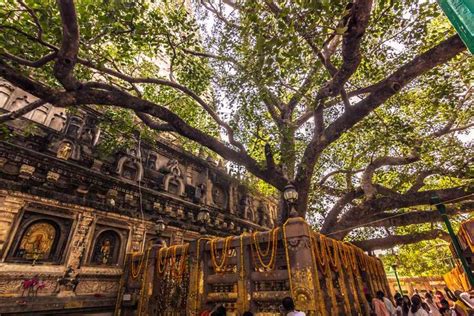
The digital age has transformed access to the Mahabodhi Tree through virtual pilgrimage experiences and online resources. High-definition live streaming cameras now broadcast views of the tree 24 hours a day, allowing devotees worldwide to observe ceremonies and connect with the sacred site remotely. These streams become particularly important during major Buddhist festivals when physical attendance might be impossible for many practitioners.
Virtual tours using 360-degree photography allow online visitors to navigate the temple complex at their own pace, examining details of the tree and surrounding structures. These digital resources serve both educational purposes and spiritual ones, with many practitioners incorporating virtual visits into their daily meditation routines.
Social Media and Global Community
Social media platforms host numerous groups dedicated to sharing experiences, photographs, and information about the Mahabodhi Tree. These online communities connect visitors who have physically traveled to the site with those planning pilgrimages and those who may never have the opportunity to visit in person. The hashtag #MahabodhiTree aggregates thousands of visitor experiences, creating a collective digital archive of the site’s ongoing significance.
Buddhist teachers worldwide incorporate digital imagery of the tree into online dharma talks, extending the tree’s spiritual presence far beyond its physical location. During the COVID-19 pandemic, when international travel was severely restricted, these digital connections became particularly significant in maintaining global Buddhist community and practice continuity.
Educational Resources and Research Access
Digital databases now provide unprecedented access to research materials related to the Mahabodhi Tree. Historical photographs, archaeological reports, and botanical studies are increasingly available through online repositories, democratizing access to information previously limited to specialized academic institutions.
Educational websites offer curriculum materials for teachers wishing to incorporate the tree’s significance into lessons on world religions, history, or environmental studies. Interactive timelines trace the tree’s history from Buddha’s time to the present, while botanical databases provide detailed information about the species’ characteristics and conservation needs.
| Digital Resource | Purpose | Access |
|---|---|---|
| Live Webcam Feeds | Real-time viewing of the tree and ceremonies | Free online access |
| Virtual Reality Tours | Immersive exploration of the temple complex | Free to premium options |
| Historical Image Database | Documentation of the site through history | Academic access |
| Online Meditation Sessions | Guided practice “at” the Bodhi Tree | Various Buddhist organizations |
| Mobile Apps | Location guides, historical information | Free to download |
| Social Media Communities | Sharing experiences, updates on events | Public groups |
| Digital Conservation Dashboard | Real-time data on tree health metrics | Limited access for researchers |
Future Digital Innovations
Emerging technologies promise to further enhance virtual access to the Mahabodhi Tree. Augmented reality applications in development will allow users to overlay historical information while viewing the tree through smartphone cameras. Artificial intelligence projects are working to create interactive guides that can answer visitors’ questions about the tree’s history and significance in natural language.
Conservation technologists are developing digital twins – detailed virtual replicas that track the physical tree’s condition in real-time. These sophisticated models will help preservation experts monitor subtle changes in the tree’s health while creating a permanent digital record of this living heritage that could theoretically survive even if the physical tree were someday lost.
🗓️ Seasonal Changes and Annual Cycles of the Mahabodhi Tree 🗓️
The Mahabodhi Tree undergoes distinct seasonal changes that create varying experiences for visitors throughout the year. As a semi-deciduous species, the tree gradually sheds and replaces its leaves, though never becoming completely bare. This cycle visibly demonstrates the Buddhist concept of impermanence (anicca) while affirming continuity through renewal.

Spring (March-April) brings vibrant new growth, with fresh leaves emerging in bright copper-red hues before maturing to deep green. Summer (May-June) sees the tree in full foliage despite intense heat, demonstrating remarkable resilience. The monsoon season (July-September) triggers enthusiastic growth with the distinct rustling of rain on the heart-shaped leaves creating a meditative soundscape. Autumn and winter (October-February) bring more subtle changes as older leaves gradually fall while new growth continues at a slower pace.
Biological Rhythms and Flowering Cycles
The tree follows complex biological rhythms beyond simple seasonal changes. It produces small, inconspicuous flowers that develop into round fig fruits approximately twice yearly. These fruiting cycles attract various bird species that help disperse seeds, creating an ecosystem centered around the sacred tree.
Botanical studies have documented subtle variations in these cycles over decades, with researchers monitoring potential impacts of climate change on the tree’s biological patterns. Long-term observation projects track everything from leaf density to fruiting frequency, creating valuable data for both conservation efforts and climate research.
Seasonal Pilgrimage Patterns
Visitor experiences vary dramatically with the seasons. Winter months see the largest pilgrim numbers, particularly around full moon days when special all-night meditation sessions often occur. The Buddha Purnima festival (April-May) marks Buddha’s birth, enlightenment, and death, bringing thousands of devotees for circumambulation and offerings despite often intense pre-monsoon heat.
Monsoon season sees fewer international visitors but remains significant for local devotees who appreciate the relatively uncrowded atmosphere for meditation. The conclusion of the Buddhist rainy season retreat (Vassa) in October-November brings many monks to the site to pay respects after completing their intensive practice period.
| Season | Tree Characteristics | Visitor Experience | Notable Events |
|---|---|---|---|
| Spring (Mar-Apr) | New copper-red leaves emerging | Moderate temperatures, increasing crowds | Buddha Purnima festival |
| Summer (May-Jun) | Full green foliage, some fruiting | Intense heat, fewer visitors | Saga Dawa (Tibetan tradition) |
| Monsoon (Jul-Sep) | Vibrant growth, maximum leaf density | Rain showers, humid conditions | Buddhist Lent (Vassa) begins |
| Autumn (Oct-Nov) | Gradual leaf changes, some falling | Pleasant temperatures, growing crowds | End of Vassa ceremonies |
| Winter (Dec-Feb) | Ongoing renewal, slower growth | Cool temperatures, peak visitor season | Kagyu Monlam prayer festival |
The Tree Through Day and Night
The tree’s appearance and atmosphere transform throughout the day. Early mornings offer serene light filtering through morning mist, creating an ethereal quality. Midday brings clear visibility of the tree’s full structure, though harsh sunlight can make extended meditation challenging. Late afternoons cast golden light through the leaves, while evenings bring illumination from butter lamps and electric lights that highlight the tree’s silhouette against the night sky.
During full moon nights, the tree takes on special significance as this lunar phase connects to Buddha’s enlightenment timing. Special permission is sometimes granted for all-night meditation sessions during these auspicious nights, creating powerful communal experiences as practitioners meditate beneath the same tree where Buddha achieved awakening, illuminated by the same moon that witnessed that historic transformation.
💭 Personal Experiences and Testimonials from Mahabodhi Tree Visitors 💭
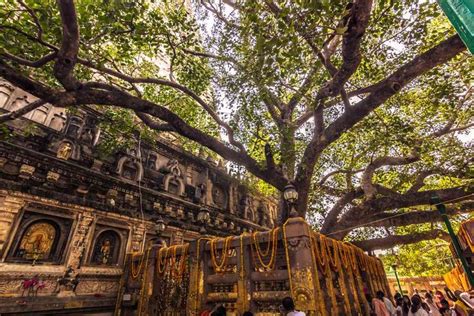
Visitors to the Mahabodhi Tree frequently report profound personal experiences that transcend typical tourism. Many describe a palpable sense of peace that seems to emanate from the site, regardless of their religious background. Buddhist practitioners often speak of deepened meditation experiences, with many reporting unusual clarity and insight when sitting near the tree.
Venerable Dhammapala, a Sri Lankan monk who visited annually for two decades, describes: “There is something undeniable about this place. My meditation here has a different quality—more direct, more clear. After years of practice elsewhere, sitting beneath this tree feels like coming home to the heart of the dharma.”
Transformative Moments and Spiritual Insights
Beyond general impressions of peace, many visitors report specific transformative experiences. These range from sudden insights into personal challenges to profound shifts in understanding Buddhist teachings. While skeptics might attribute such experiences to psychological suggestion, the consistency of reports across cultures and time periods suggests something unique about the environment.
Dr. Sarah Chen, a neuroscientist who visited as a research subject for a study on meditation in sacred spaces, notes: “I went as a scientist, interested in measurable brainwave changes during meditation. While those measurements proved interesting, what surprised me was my subjective experience—a clarity of thought and emotional processing I hadn’t experienced before, which continued well after returning home.”
Cross-Cultural Visitor Experiences
The universal appeal of the Mahabodhi Tree is evident in the diversity of visitors it attracts. Christians, Muslims, Hindus, and secular tourists report meaningful experiences alongside Buddhist pilgrims. This cross-cultural resonance demonstrates how certain spaces can transcend specific religious frameworks to touch something more universally human.
Mohammed Amir, an architect from Egypt with no prior connection to Buddhism, shares: “I came originally to study the temple architecture, but found myself sitting quietly by the tree for hours. There’s a design element beyond the physical structure—something about the space itself creates a natural invitation to presence and awareness.”
| Visitor Category | Common Reported Experiences | Typical Activities |
|---|---|---|
| Buddhist Monks | Deepened meditation, spiritual renewal | Extended meditation, scripture recitation |
| Buddhist Laypersons | Connection to tradition, clarity of purpose | Circumambulation, offerings, short meditation |
| Spiritual Seekers (non-Buddhist) | Peace, inspiration, curiosity | Observation, informal meditation, photography |
| Academic Visitors | Intellectual curiosity, historical connection | Documentation, research, observation |
| Cultural Tourists | Aesthetic appreciation, cultural learning | Photography, guided tours, observation |
| Local Community Members | Pride, daily spiritual practice | Regular worship, community gatherings |
Integration of Experiences After Visiting
Many visitors report that their experience at the Mahabodhi Tree continues to influence them long after returning home. Practitioners often describe incorporating the memory of the tree into their daily meditation as a touchstone for mindfulness. Others report lasting shifts in priorities or perspectives triggered by their time at this contemplative space.
Lisa Tanaka, a Japanese-American teacher who visited five years ago, reflects: “Something about actually being in that space—connecting with its history and the countless others who have sought wisdom there—gave me a reference point for authenticity in my own practice. When meditation feels mechanical or conceptual, I recall the simple presence I felt there, and it brings me back to the essence.”
🤲 Practical Contribution: Supporting the Mahabodhi Tree Preservation 🤲
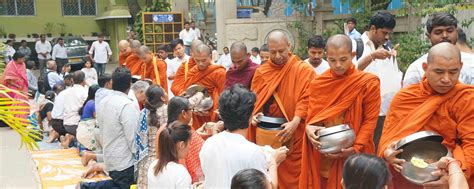
Visitors inspired by the Mahabodhi Tree often ask how they can contribute to its preservation. Several official channels exist for supporting conservation efforts. The Bodhgaya Temple Management Committee accepts donations specifically designated for tree care, which fund specialized botanical treatment, soil management, and security measures protecting the tree from potential damage.
International Buddhist organizations frequently organize fundraising campaigns for preservation projects, ranging from general maintenance to specific initiatives like installing advanced monitoring equipment or implementing new conservation techniques. These campaigns often allow supporters worldwide to contribute regardless of their ability to visit physically.
Volunteer and Educational Opportunities
Beyond financial contributions, various volunteer programs allow those with relevant skills to participate directly in preservation efforts. Botanists, arborists, and conservation scientists can apply to join research teams conducting health assessments and implementing care protocols. Educational professionals volunteer in awareness programs that teach visitors and local communities about conservation needs.
Professional development opportunities include specialized workshops on heritage tree conservation, which use the Mahabodhi Tree as a case study while training participants in techniques applicable to ancient trees worldwide. These programs create a network of expertise that strengthens preservation capacity beyond this single sacred tree.
Indirect Support Through Responsible Visitation
Every visitor can contribute to preservation through responsible behavior. Following designated pathways prevents soil compaction around the root system. Observing the prohibition on touching the tree protects it from cumulative damage that can occur through countless small contacts. Disposing of waste properly and avoiding non-biodegradable offerings helps maintain the surrounding environment.
Simply spreading awareness about the tree’s significance and conservation needs represents a valuable contribution. Many visitors become informal ambassadors, sharing information through social media, personal blogs, or community presentations that expand the network of people invested in the tree’s long-term survival.
| Contribution Method | Requirements | Impact |
|---|---|---|
| Financial Donation | Monetary contribution | Funds direct conservation work |
| Professional Volunteering | Relevant expertise (botany, conservation) | Provides specialized care and research |
| Educational Outreach | Communication skills, knowledge sharing | Builds long-term public support |
| Responsible Tourism | Mindful visitation practices | Reduces visitor impact on the tree |
| Digital Advocacy | Social media sharing, online awareness | Expands global conservation support |
| Research Participation | Academic or scientific background | Advances knowledge for preservation |
| Prayer and Dedication | Personal spiritual practice | Maintains cultural and spiritual significance |
Symbolic Tree Planting Initiatives
Many visitors participate in symbolic tree-planting initiatives that extend the Mahabodhi Tree’s legacy. The Mahabodhi Tree Conservation Project distributes saplings grown from seeds of the tree to Buddhist centers worldwide, creating living connections to the original site while promoting broader environmental awareness.
These distributed descendants serve both conservation and educational purposes, creating genetic backup populations while spreading awareness of the original tree’s significance. Participants in these programs often report that caring for their local Bodhi Tree creates a meaningful ongoing connection to the practices and principles associated with Buddha’s enlightenment.
🌠 The Future of the Mahabodhi Tree: Challenges and Prospects 🌠
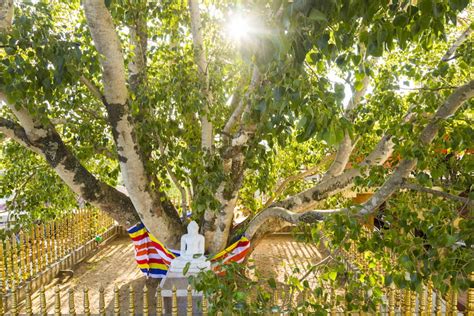
Looking toward the future, the Mahabodhi Tree faces both challenges and opportunities. Climate change represents perhaps the most significant long-term threat, with changing rainfall patterns, temperature increases, and extreme weather events potentially stressing the tree beyond its adaptive capacity. Conservation experts are implementing monitoring systems to track these impacts and develop responsive care protocols.
Growing visitor numbers present another complex challenge. While increased interest ensures continued cultural relevance and support for preservation, the physical impact of millions of annual visitors creates environmental pressure on the tree and its surroundings. Sustainable tourism planning includes visitor flow management, upgraded infrastructure, and educational initiatives that balance accessibility with protection.
Technological Conservation Innovations
Cutting-edge conservation technologies offer promising solutions to preservation challenges. Advanced imaging techniques now create detailed 3D models tracking subtle changes in the tree’s structure over time. Soil moisture sensors provide real-time data guiding precision irrigation, while specialized diagnostic tools detect potential diseases or pest issues before visible symptoms appear.
Genetic preservation initiatives have successfully created living tissue cultures from the tree, allowing for potential future propagation that maintains its exact genetic identity. These samples, stored in multiple secure locations, represent an insurance policy ensuring the biological lineage could continue even if the current tree were catastrophically damaged.
Balancing Authenticity and Intervention
Conservation philosophy for the Mahabodhi Tree requires delicate balancing between maintaining authenticity and ensuring survival. Minimalist approaches favor letting natural processes unfold with limited human intervention, preserving the tree’s historic character. More interventionist perspectives advocate proactive measures addressing environmental challenges that didn’t exist in Buddha’s time.
This philosophical tension leads to ongoing dialogue among stakeholders, with decisions typically seeking middle paths that minimize visible modern interventions while implementing necessary protective measures. The tree’s dual status as both living organism and cultural heritage necessitates this nuanced approach to preservation.
| Future Challenge | Proposed Solutions | Current Implementation Status |
|---|---|---|
| Climate Change | Microclimate control systems, genetic preservation | Partial implementation, ongoing development |
| Tourism Impact | Visitor management systems, educational programs | Active implementation with regular updates |
| Urban Development | Buffer zone protections, environmental regulations | Established but requiring continuous enforcement |
| Air Pollution | Filtration systems, vehicle restrictions | Planning phase with limited implementation |
| Aging Tree Biology | Propagation program, successor planning | Active research with preliminary protocols |
| Natural Disasters | Emergency response protocols, structural protections | Comprehensive planning implemented |
| Knowledge Preservation | Digital documentation, traditional knowledge recording | Active ongoing programs |
Succession Planning and Future Generations
While the current Mahabodhi Tree remains healthy, responsible stewardship includes planning for eventual succession. Multiple saplings have been grown from the tree’s seeds and maintained under controlled conditions, ready for potential replanting should the current tree reach the end of its natural lifespan. This forward-thinking approach ensures continuity of both biological lineage and spiritual tradition.
Educational programs specifically target younger generations who will become future guardians of this living heritage. By integrating traditional reverence with contemporary scientific understanding, these initiatives cultivate both the technical knowledge and cultural appreciation necessary for long-term preservation of the Mahabodhi Tree’s legacy for centuries to come.
Conclusion: The Enduring Legacy of the Mahabodhi Tree
The Mahabodhi Tree stands as a remarkable living link to one of history’s most influential spiritual awakening moments. Its continued vitality after countless historical challenges testifies to both natural resilience and human devotion. As a singular point where botanical life, religious tradition, and historical documentation intersect, it offers unique perspectives on how humanity creates and maintains connections with significant places and events.
For both devout Buddhists and curious visitors, the tree continues to inspire contemplation about the nature of change and continuity. Its leaves, constantly renewing while maintaining unbroken genetic lineage, provide a living metaphor for Buddhist teachings on impermanence and rebirth. The international cooperation surrounding its preservation demonstrates how shared heritage can transcend political, cultural, and religious boundaries.
As we look to the future, the Mahabodhi Tree reminds us that preservation of natural and cultural heritage requires both traditional wisdom and innovative approaches. The ancient tree that witnessed Buddha’s enlightenment continues to inspire contemporary awakening – to interconnection, impermanence, and the precious value of both natural and spiritual heritage.
Keywords: Mahabodhi Tree history, Buddha enlightenment tree, Bodh Gaya pilgrimage, sacred fig Ficus religiosa, Buddhist sacred sites
Suggested Internal Links:
- “History of Buddhism: From Siddhartha to Global Religion”
- “Sacred Sites of World Religions: Places of Spiritual Significance”



обратная связь общество экспертов России по недропользованию общество экспертов России по недропользованию обратная связь общество экспертов России по недропользованию оэрн форма обратиться РФ
общество экспертов России по недропользованию
Россия Россия обратная связь оэрн телефон обратная связь формаоэрн официальный сайт
Недропользование — это комплекс работ, связанный с разработкой подземных богатств.
Оно включает добычу природных ресурсов и их промышленное освоение.
Недропользование регулируется установленными правилами, направленными на охрану окружающей среды.
Грамотный подход в недропользовании обеспечивает устойчивое развитие.
общество экспертов России по недропользованию
Недропользование — это комплекс работ, связанный с освоением природных ресурсов.
Оно включает поиск полезных ископаемых и их рациональное использование.
Эта отрасль регулируется установленными правилами, направленными на безопасность работ.
Эффективное управление в недропользовании помогает сохранять ресурсы.
оэрн официальный сайт
Опрятный вид создает сильное впечатление о человеке.
Он влияет на оценку вас коллегами сразу.
Хорошее самочувствие в подобранном образе укрепляет вашу уверенность.
Он демонстрирует высокий уровень ответственности и уважение к деталям.
https://u1.superpodium.com/redirect.php?id=mzvPFnWikI3o
Посредством одежду вы можете выразить свою индивидуальность и вкус.
Люди неосознанно оценивают стильных людей как более успешных.
Поэтому, вложения в собственный стиль — это вклад в свое успешное будущее.
fqhkykymifrivijtkekzrzzxmomjpr
tirjmzinoodmdelinhgkmxgwgqpszk
Опрятный внешний вид создает первое мнение о вас.
Он работает на оценку вас коллегами сразу.
Уверенность в своем образе укрепляет личную уверенность.
Этот подход демонстрирует ваш уровень ответственности и уважение к деталям.
https://links.gucci1.ru/jVrXxBYCMpvI/
Через гардероб вы можете проявить свою личность и вкус.
Окружающие часто оценивают стильных индивидов как более успешных.
Следовательно, инвестиции в собственный образ — это вклад в свое будущее.
超人和露易斯第四季高清完整版AI深度学习内容匹配,海外华人可免费观看最新热播剧集。
This platform contains a great deal of helpful content.
You can access comprehensive guides on diverse areas.
All data is organized in a user-friendly way.
It’s a perfect spot for those wanting answers.
https://gladaankan.com/
horhwpouusrglzrjvsvkypvlzneddz
xfwjuvkfyyqxpgiwjoeteontuetvyj
Jogo do Tigrinho Pix R$20: ganha 100 giros + 20% extra hoje!
Fortune Tiger modo auto: 500 giros sem clicar – quem já deixou rodando?
Ударно-волновая терапия представляет собой эффективный метод лечения, основанный на использовании звуковых импульсов.
Эта техника активизирует кровообращение и запускает механизмы восстановления клеток.
Методика часто применяется для терапии патологий опорно-двигательного аппарата – например, при воспалении сухожилий и плантарном фасциите.
https://novogireevo-klinika.ru/
Ключевые плюсы способа – это отсутствие разрезов, относительная терпимость и хорошая эффективность уже после первых сеансов.
Обычно приём занимает примерно четверть часа и проводится в поликлинике без необходимости госпитализации.
По окончании курса пациенты отмечают заметное снижение болей и возвращение объёма движений в поражённой зоне.
На данном веб-сайте есть возможность отыскать немало нужной сведений.
Тут представлены публикации и руководства на различный случай.
Посетитель в состоянии отыскать и базовую базу, также узкопрофильные разработки.
Данный сайт способен помочь профессионалам в их обучении.
https://brunet-ka.ru/style/2026-06-15-psikhologiya-vizualnykh-i-zvukovykh-effektov-v-slot-igrakh-pochemu-oni-zatyagivayut.html
Помимо этого здесь часто публикуются свежие статьи.
Советуем подробно просмотреть представленную здесь подборку.
Таким образом, эта платформа служит незаменимым кладезем опыта.
На этом сайте есть возможность отыскать массу полезной знаний.
На страницах сайта представлены публикации и руководства для любого вкус.
Пользователь в состоянии изучить как общую базу, так и узкопрофильные кейсы.
Наш портал пригодится новичкам в своей деятельности.
https://for-el.ru/doc/280-obzor-samykh-populyarnykh-igrovykh-avtomatov-v-sweet-casino-rtp-bonusy-i-sekrety-vyigrysha.html
Также здесь постоянно появляются свежие статьи.
Предлагаем самостоятельно изучить доступную здесь подборку.
Таким образом, данный ресурс считается ценным хранилищем знаний.
Осознанный гемблинг — это подход к игровым развлечениям, базирующийся на самоограничении и понимании рисков.
Эта концепция предполагает добровольное ограничение времени и бюджета на процесс.
Любой участник обязан заранее устанавливать пределы ставок и неукоснительно их соблюдать.
https://rosotels.ru/detail/2026-06-29-budushchie-tendentsii-v-onlayn-igrakh-chto-zhdyot-rich-casino.htm
Разумное отношение к азарту — это подход к игровым развлечениям, основанный на самоограничении и понимании последствий.
Она предполагает добровольное ограничение продолжительности и расходов на игру.
Каждый участник обязан предварительно определять лимиты ставок и неукоснительно их придерживаться.
https://online-festival.ru/detail/3197-bonusy-i-frispiny-v-slote-rocket-ot-1win.html
Осознанный гемблинг — это стратегия к игровым развлечениям, базирующийся на самоограничении и понимании рисков.
Она подразумевает осознанное лимитирование времени и денег на процесс.
Любой участник должен заранее определять лимиты ставок и строго их соблюдать.
https://sport.nbcollector.ru/meZQhzl1lXaq/
Осознанный гемблинг — это стратегия к казино, базирующийся на контроле и понимании рисков.
Эта концепция предполагает осознанное ограничение продолжительности и бюджета на игру.
Любой игрок должен предварительно устанавливать пределы ставок и строго их соблюдать.
https://n4.mvmedia.ru/MV2So4WPEuNx/
Осознанный гемблинг — это принцип к казино, базирующийся на контроле и осознании последствий.
Эта концепция предполагает осознанное лимитирование времени и бюджета на процесс.
Любой игрок обязан предварительно устанавливать лимиты ставок и неукоснительно их придерживаться.
https://labdiz.ru/full/512-cryptocurrency-in-cashman-casino-how-it-has-changed-the-gaming-landscape.htm
Ресурсы для взрослых могут служить каналом сексуального просвещения, содействуя пользователям понимать свою природу.
Такие платформы позволяют исследовать разнообразие подходов в защищённом формате, уменьшая опасность физических осложнений.
В парах общий просмотр может укреплять доверие и служить поводом для честного диалога о желаниях и предпочтениях.
видео трансы
Ответственная игра — это подход, при котором азарт воспринимается лишь как развлечение, а не способ заработка.
Она предполагает установку лимитов по длительности и финансам на старте, а также способность прерваться.
Ключевые правила — не пытаться отыграться, делать паузы и обращаться за помощью при возникновении признаков проблемного поведения.
https://pilot-club.ru/info/2026-06-24-tsar-probka-na-malyshevskom-mostu-kak-zator-prevratilsya-v-polosu-stoyaniya/
Осознанный гемблинг — это подход к азартным сессиям, основанный на контроле и понимании последствий.
Она предполагает добровольное лимитирование продолжительности и расходов на процесс.
Каждый участник должен предварительно определять лимиты потерь и строго их соблюдать.
https://mvsavva.ru/article-data/2026-06-28-spotting-reliable-online-casino-affiliates-and-reviews-a-guide-for-discerning-players/
На этом портале легко почерпнуть много практичной знаний.
Здесь размещены обзоры и советы на различный вкус.
Посетитель можете отыскать и широкую базу, так и узкопрофильные данные.
Наш портал пригодится новичкам в своей деятельности.
https://ipcfms.ru/read/121-samye-kultovye-modeli-krossovok-dolceandgabbana-za-poslednie-10-let.html
Кроме того на сайте периодически добавляются актуальные обновления.
Призываем с интересом прочитать доступную здесь базу.
Таким образом, наш портал является ценным кладезем опыта.
Разумное отношение к азарту — это принцип к казино, основанный на самоограничении и осознании рисков.
Она включает осознанное лимитирование продолжительности и бюджета на игру.
Любой игрок должен заранее устанавливать пределы потерь и строго их придерживаться.
https://labdiz.ru/full/515-sedobnaya-zashchita-iz-tykvennoy-kozhury-kak-yaponskie-uchyonye-prevratili-pishchevye-otkhody-v-super-plenku.htm
Осознанный гемблинг — это принцип к азартным сессиям, основанный на самоограничении и понимании рисков.
Она предполагает осознанное ограничение продолжительности и денег на процесс.
Каждый участник обязан заранее определять лимиты потерь и неукоснительно их придерживаться.
https://1-mk.ru/detail/470-uchebnyy-god-2026-2027-kogda-nachnyotsya-zanyatiya-skolko-dney-v-shkole-i-kogda-prervyot-ikh-leto/
Ответственная игра — это стратегия к азартным сессиям, базирующийся на самоограничении и понимании последствий.
Она подразумевает добровольное ограничение продолжительности и расходов на игру.
Любой игрок обязан предварительно устанавливать пределы потерь и неукоснительно их придерживаться.
https://ipcfms.ru/read/388-iskusstvennyy-intellekt-izmenil-pravila-nayma-i-kak-bystro-poluchit-rabotu-mechty.html
Mindful gaming is a collection of principles that guarantee gambling stays a form of entertainment rather than a means of stress or loss.
It involves establishing individual boundaries on time and money spent, as well as recognising the signs of harmful behaviour.
Ultimately, responsible gambling promotes informed decisions and supports users to keep balance over their playing habits.
https://mkad-service.ru/auto/2026-06-28-understanding-slot-machine-rtp-and-volatility/
Разумное отношение к азарту — это подход к азартным сессиям, основанный на контроле и осознании рисков.
Она подразумевает добровольное ограничение времени и бюджета на процесс.
Любой игрок должен предварительно определять пределы потерь и неукоснительно их придерживаться.
https://pilot-club.ru/info/2026-07-08-update-or-upgrade-the-evolution-of-cashman-casino-over-the-years/
Разумное отношение к азарту — это подход к казино, основанный на самоограничении и понимании рисков.
Эта концепция включает осознанное лимитирование времени и бюджета на игру.
Любой игрок должен предварительно определять лимиты ставок и неукоснительно их придерживаться.
https://rosotels.ru/detail/2026-06-29-kak-vybrat-bezopasnoe-kazino-dlya-igry-v-aviator-sravnenie-1win-s-konkurentami.htm
Prudent betting is a set of principles that ensure betting remains a form of entertainment rather than a means of financial strain.
It involves setting personal boundaries on duration and wagers, as well as recognising the indicators of problematic behaviour.
Ultimately, this approach encourages informed decisions and helps users to keep control over their gaming habits.
https://tltrock.ru/material/2026-06-19-kalmytskie-pedagogi-zavershili-obuchenie-v-pervom-kazachem-universitete.html
Ответственная игра — это стратегия к игровым развлечениям, базирующийся на самоограничении и понимании рисков.
Эта концепция включает осознанное ограничение продолжительности и бюджета на игру.
Каждый участник должен заранее определять пределы потерь и строго их соблюдать.
https://spacefan.breakmoda.ru/ATC6u4q3vIbN/
Mindful gaming is a collection of principles that guarantee betting stays a recreational activity rather than a means of stress or loss.
It involves establishing individual limits on time and money spent, as well as being aware of the signs of harmful behaviour.
In essence, responsible gambling encourages informed choices and supports players to maintain control over their gaming activities.
https://wolgograd.ru/column/2510-kak-izbezhat-blokirovok-1win-i-poluchit-dostup-k-igre-aviator/
Разумное отношение к азарту — это подход к казино, базирующийся на контроле и осознании последствий.
Эта концепция включает добровольное ограничение продолжительности и бюджета на игру.
Любой участник должен заранее устанавливать лимиты потерь и неукоснительно их придерживаться.
https://career.km-moda.ru/YQKRidqnbhd9/
Ответственная игра — это стиль поведения, при которой игры служат способом досуга, а не средством поправить финансовое положение.
Такой подход базируется на контроле временем и бюджетом, а также на понимании личных границ.
https://nanmed.ru/read/4089-polnyy-obzor-igrovykh-avtomatov-v-randx-casino/
Для преподавателей курсы повышения квалификации жизненно необходимы, поскольку эти программы позволяют изучать актуальные методики.
За счёт этим курсам учителя могут подстраиваться к новым условиям образования.
Как результат значительно возрастает уровень преподавания, что непосредственно сказывается на учениках и их достижения.
https://progorod33.ru/rech-kak-iskusstvo-sovremennye-podkhody-k-korrekczii-i-razvitiyu
Ответственная игра — это стратегия к казино, базирующийся на контроле и осознании рисков.
Эта концепция включает добровольное лимитирование времени и бюджета на игру.
Любой игрок обязан предварительно определять лимиты потерь и строго их соблюдать.
https://n1.mvmedia.ru/xw0O8EFlxhvS/
Сникеры D&G — представляют собой удачный микс неповторимой элегантности и актуальных веяний.
Ключевой деталью данных кроссовок является запоминающийся внешний вид с сочетанием премиальных материалов и культовой отделки.
Эти кроссовки прекрасно подходят для городской носки, внося в образ нотку шика.
https://dvery35.ru/article/4531-istoriya-poyavleniya-krossovok-dolce-and-gabbana-ot-runway-do-ulits.html
Осознанный гемблинг — это подход к азартным сессиям, основанный на контроле и понимании последствий.
Она включает осознанное лимитирование времени и денег на процесс.
Каждый участник должен предварительно определять пределы ставок и неукоснительно их придерживаться.
https://a5.gucci1.ru/Kad5pi3QhiUI/
Сникеры бренда — это безупречный союз изысканной классики и новейших трендов.
Ключевой чертой подобных пар является броский внешний вид с применением премиальных материалов и фирменной детализации.
Эти кроссовки замечательно сочетаются для городской жизни, привнося в лук нотку роскоши.
https://online-festival.ru/detail/3406-trendovye-stili-krossovok-dolce-and-gabbana-v-2024-godu-chto-aktualno-na-ulitsakh.html
Кеды D&G — представляют собой стильный микс изысканной классики и актуальных направлений.
Отличительной чертой этих пар считается запоминающийся дизайн с использованием дорогих материалов и фирменной отделки.
Эти кроссовки отлично сочетаются для ежедневной жизни, добавляя в стиль нотку роскоши.
https://rosotels.ru/detail/2026-07-14-trendovye-stili-krossovok-dolce-and-gabbana-v-2024-godu-chto-aktualno-na-ulitsakh.htm
Букмекерские конторы дают шанс заключать пари на спортивные события.
Крайне важно выбирать проверенных операторов, а также внимательно изучать кэфы перед заключением пари.
Ставки могут быть увлекательным досугом, однако необходимо соблюдать принципы ответственной игры и ограничивать расходы.
https://mindset.ullafashion.ru/esp3VTaiTboE/
האתר הזה מציע מגוון עשיר של שירותים המיועדים לקהל הישראלי.
בפלטפורמה תוכלי למצוא חוויות מגוונים בתחום המבוגרים באיכות מעולה.
הפלטפורמה מאפשר גישה פשוטה לשירותים אלו באמצעות הקפדה על פרטיות הגולש.
https://hasfaniyot.net/
Онлайн-слоты — это одни из самых популярные развлечения в казино.
У них особенность — несложные правила, яркая графика и разнообразие дополнительных возможностей.
Пользователи могут подбирать слоты по тематике, числу барабанов и уровню риска.
https://homecreator.ulmoda.ru/wO66DLjZHC5e/
Концепция разумного риска — это комплекс мер, предназначенный на сохранение баланса по отношению к своими решениями и предотвращение рисков.
https://mimedia.in/read-blog/4069
Видеослоты — являются самые известные развлечения в онлайн-казино.
https://psychblog.urban-moda.ru/T2pmShz9wpyW/
Осознанный подход к гемблингу — это выбор, при которой азарт служат формой отдыха, а не средством заработать.
Такой подход базируется на управлении временем и расходами, а также на понимании личных пределов.
https://legicon-pravo.ru/data/3519-odno-slovo-v-perevode-mozhet-ostanovit-vash-schyot-kak-banki-zamorazhivayut-dengi-i-chto-za-etim-stoit.html
БК предлагают шанс заключать пари на различные события.
Крайне важно выбирать проверенных букмекеров, а также тщательно анализировать коэффициенты перед заключением ставки.
Беттинг могут превратиться увлекательным хобби, однако необходимо придерживаться баланс осознанного подхода и ограничивать бюджет.
https://fun.malemoda.ru/XaihHWwLW3PT/
На данном ресурсе есть возможность обнаружить обилие нужной сведений.
https://ipcfms.ru/read/410-ariana-grande-pokidaet-13-y-sezon-amerikanskoy-istorii-uzhasov.html
На данном сайте можно отыскать обилие ценной информации.
https://omskapteka.ru/info/506-personalnyy-brend-stil-kak-instrument-karernogo-rosta.htm
Здесь портале можно отыскать массу нужной информации.
https://relax-spb.ru/read-info/3255-hailey-jean-novaya-kapsulnaya-kollektsiya-denima-ot-kheyli-biber-i-gap.html
Здесь портале вы сможете обнаружить обилие полезной сведений.
https://1-mk.ru/detail/486-arest-prodavtsov-knig-v-gonkonge-pod-pritselom-vlasti-za-antigosudarstvennye-izdaniya/
Здесь сайте есть возможность найти массу нужной сведений.
https://nashipesni.ru/pub/2026-07-19-moshennik-iz-seti-vymogal-25-mln-rubley-u-zhitelnitsy-nizhnego-novgoroda/
На этом портале есть возможность найти много полезной материалов.
https://pilot-club.ru/info/2026-07-18-v-posyolke-krasnyy-poyavilsya-pervyy-v-smolenskoy-oblasti-detskiy-kulturno-prosvetitelskiy-tsentr-svetlyachok/
A generic version is a preparation that is manufactured to match a brand-name product in dosage, purity, and performance.
This product contains the same therapeutic component as the branded product, however often differs in excipients and price.
To be approved, a copy must prove therapeutic equivalence to the original medicine, ensuring it is equally safe and effective.
tadalis ingredients
На нашем ресурсе вы сможете выбрать квартиру в Турции.
Тут (аренда квартиры в Анталии) собраны все варианты в аренду недвижимости в Турции.
Данный ресурс поможет вам найти съемное жилье в Турции.
Məsuliyyətli oyun — o deməkdir oyunçunun davranışını idarə etməsi və qumarın əyləncə olaraq qalması üçün prinsiplər məcmusudur.
Bu yanaşma vaxt və pul məbləğlərinə məhdudiyyətlər müəyyən etməyi, həmçinin təhlükəli oyun əlamətlərini tanımağı nəzərdə tutur.
Bu, məsuliyyətli oyun istifadəçilərə mərc ərzində hakimiyyəti qorumağa kömək edir və potensial mənfi nəticələrin azaltmağa xidmət edir.
https://enesalp.com.tr/