

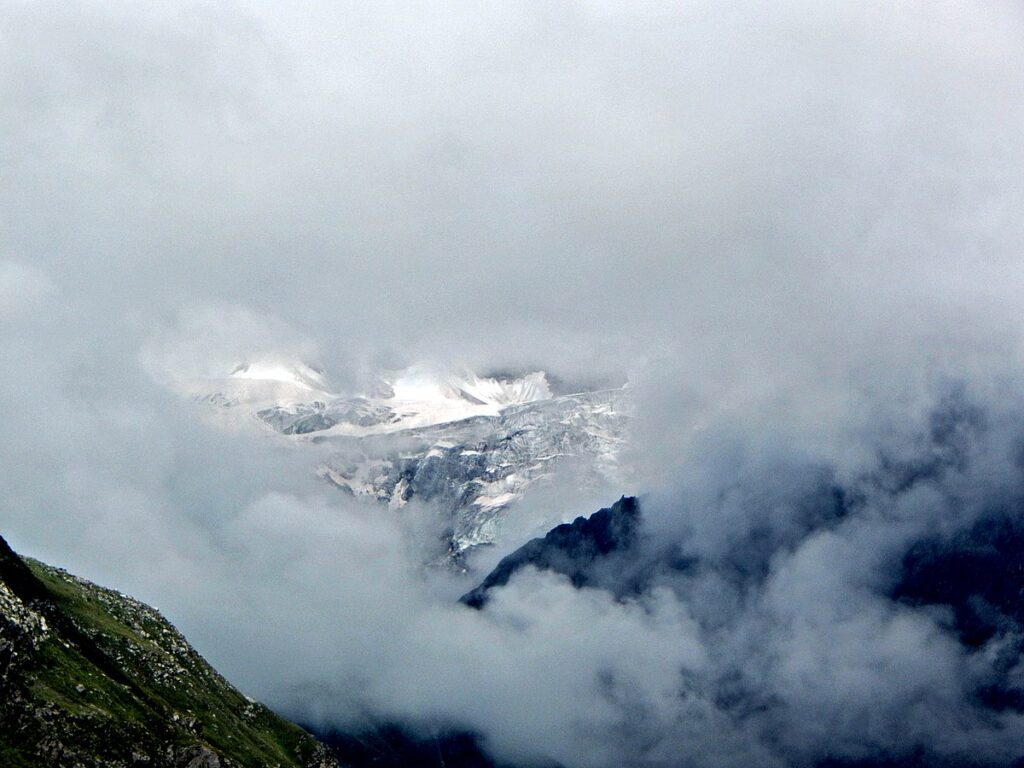
Nanda Devi and Valley of Flowers National Parks: Nature’s Paradises 🌄🌸
Experts remark, “Nanda Devi and the Valley of Flowers captivate visitors with their stunning landscapes and rich biodiversity, making them true Himalayan gems.”
Table of Content
🌟
- Introduction to Nanda Devi and Valley of Flowers
- Geographical Significance 🌍
- Biodiversity Hotspots 🦋
- Cultural Importance 🎉
- Flora and Fauna 🌿
- Climate and Best Time to Visit 🌤️
- Trekking and Adventure Activities 🚶♂️
- Conservation Efforts 🛡️
- Challenges and Threats ⚠️
- Visitor Guidelines and Tips 🗺️
- Photography Opportunities 📸
- Famous Trails and Routes 🚵♀️
- Exploring Nearby Attractions 🗺️
- Local Cuisine and Culture 🍲
- Conclusion and Final Thoughts 🏞️
Introduction to Nanda Devi and Valley of Flowers
Nanda Devi and the Valley of Flowers National Parks are two remarkable UNESCO World Heritage sites located in Uttarakhand, India. These parks are often celebrated for their breathtaking landscapes, diverse flora, and rich cultural history. For nature lovers and adventure enthusiasts, these parks provide a perfect amalgamation of scenic beauty and exploration opportunities.
Visitors are treated to an extraordinary experience while trekking through the enchanting valleys, surrounded by majestic peaks and an array of colorful flowers. Each season brings a different beauty to the parks, making them a haven for photographers and nature aficionados alike.
Geographical Significance 🌍
Nanda Devi and the Valley of Flowers National Parks lie in the Western Himalayas, symbolizing the natural grandeur of India. The primary peak, Nanda Devi, stands at an impressive height of 7,816 meters (25,643 ft) and is recognized as the second-highest peak in India. Surrounding the peak is a vast array of rugged topography, glaciers, and deep gorges that define the region.
Table: Geographical Overview
| Aspect | Details |
|---|---|
| Location | Uttarakhand, India |
| Area | Nanda Devi: 624 sq km, Valley of Flowers: 87.5 sq km |
| Altitude | Nanda Devi: 7,816 m |
| Nearest Town | Joshimath |
| Nearby River | Alaknanda River |
Biodiversity Hotspots 🦋
The parks are recognized as biodiversity hotspots, home to a wide range of flora and fauna. The Valley of Flowers, in particular, boasts over 600 species of flowers, including rare and endemic types. The rich ecosystems support various wildlife, including endangered species like the snow leopard, Himalayan black bear, and various bird species.
Table: Biodiversity Information
| Category | Details |
|---|---|
| Flora Count | Over 600 species |
| Key Plant Species | Edelweiss, Blue Poppy, various Orchids |
| Fauna Count | 120+ species of birds, 37 species of mammals |
| Endangered Species | Snow Leopard, Himalayan Black Bear |
Cultural Importance 🎉
The cultural significance of Nanda Devi cannot be understated. It holds deep-rooted spiritual importance among local communities. Nanda Devi is worshipped as the goddess of the mountains, and many pilgrimage routes lead to her temple, attracting pilgrims from all over India.
The Valley of Flowers also hosts cultural festivals that celebrate the beauty and significance of the region. These events foster community bonds and highlight the harmonious relationship between the people and their natural environment.
Table: Cultural Highlights
| Aspect | Description |
|---|---|
| Deity Worshipped | Nanda Devi (Goddess of Mountains) |
| Pilgrimage Routes | Leading to Nanda Devi Temple |
| Festivals | Local celebrations focusing on flora and fauna |
| Community Practices | Traditional customs about nature conservation |
Flora and Fauna 🌿
The unique climate of the Nanda Devi and Valley of Flowers National Parks creates a sanctuary for a diverse range of plant and animal life. From lush green meadows blooming with flowers to rugged mountains, the ecosystem is in a constant state of elegance and change.
Many species, such as the Himalayan Blue Poppy and rare medicinal plants, flourish in this protected environment. As for fauna, it’s a refuge for wildlife enthusiasts, where one might spot a majestic snow leopard or the elusive Himalayan tahr roaming freely in its natural habitat.
Table: Flora and Fauna Breakdown
| Flora | Fauna |
|---|---|
| Edelweiss | Snow Leopard |
| Himalayan Bellflower | Himalayan Tahr |
| Blue Poppy | Black Bear |
| Medicinal Herbs | Musk Deer |
Climate and Best Time to Visit 🌤️
The climate of the Nanda Devi and Valley of Flowers region varies dramatically, characterized by cold winters and pleasant summers. The best time to visit these national parks is between June and September when the valley bursts into a riot of colors with blooming flowers.
During monsoons, the weather remains temperate, making it comfortable for trekking and exploring the natural beauty. However, accessibility may become limited due to landslides, hence proper planning is essential.
Table: Climate Overview
| Season | Temperature (°C) | Conditions |
|---|---|---|
| Winter | −10 to 5 | Snowy, Cold |
| Spring | 5 to 15 | Mild, Blossoming |
| Summer | 15 to 25 | Pleasant, Green |
| Monsoon | 10 to 20 | Rainy, Humid |
Trekking and Adventure Activities 🚶♂️
For adventure enthusiasts, Nanda Devi and the Valley of Flowers offer some of the most breathtaking trekking routes in the world. The famous trek to the Valley of Flowers is a delightful experience wrapped in nature’s beauty, featuring stunning landscapes, diverse flora, and thrilling wildlife encounters.
Additionally, experienced trekkers can explore the challenging routes around Nanda Devi, ranging from moderate to difficult treks, each promising an adrenaline-pumping adventure amid serene Himalayan vistas.
Table: Trekking Routes Overview
| Trek Route | Difficulty Level | Duration (Days) |
|---|---|---|
| Valley of Flowers | Moderate | 5-6 |
| Nanda Devi Base Camp | Challenging | 7-9 |
| Auli to Gorson Bugyal | Easy | 4 |
| Kuari Pass Trek | Moderate | 6 |
Conservation Efforts 🛡️
The conservation of Nanda Devi and the Valley of Flowers is paramount given the ecological significance of these areas. Strategies include strict regulations on wildlife protection, habitat preservation, and controlled tourism to minimize environmental impact.
Efforts from both the Indian government and various NGOs play a vital role in sustaining the ecological balance, ensuring future generations can cherish and appreciate these natural wonders.
Table: Conservation Initiatives
| Initiative | Description |
|---|---|
| Legal Protections | Wildlife Protection Act & National Parks Act |
| Eco-Tourism Programs | Promoting responsible tourism practices |
| Research Initiatives | Ongoing studies on flora and fauna conservation |
| Community Engagement | Involvement of local communities in conservation |
Challenges and Threats ⚠️
While the parks are celebrated for their natural beauty, they face significant challenges like climate change, deforestation, and rising tourism pressure. Increased human activity can lead to habitat degradation and threaten the delicate ecosystems that thrive in these national parks.
Women’s empowerment and education within local communities about sustainable practices is essential for preserving these areas in the face of growing environmental threats.
Table: Current Challenges
| Challenge | Impact |
|---|---|
| Climate Change | Altered ecosystems & weather patterns |
| Deforestation | Habitat loss for endangered species |
| Tourism Pressure | Soil erosion and waste management issues |
| Invasive Species | Threat to native plant and animal life |
Visitor Guidelines and Tips 🗺️
Visitors planning to explore Nanda Devi and the Valley of Flowers should abide by specific guidelines to protect the environment and enhance their experience. It’s crucial to secure necessary permits, respect local customs, and stay on designated paths to minimize impact on delicate ecosystems.
Enjoying the traditions of local communities and tasting regional cuisine can enrich your visit, providing cultural insights alongside natural exploration.
Table: Visitor Guidelines
| Guideline | Description |
|---|---|
| Permit Requirements | Secure necessary trekking permits |
| Stay on Marked Trails | Help minimize environmental impact |
| Respect Local Culture | Engage respectfully with local communities |
| Pack Out Waste | Follow Leave No Trace principles |
Photography Opportunities 📸
Photographers will find Nanda Devi and the Valley of Flowers to be a paradise of vibrant colors and picturesque landscapes. The valley’s floral carpets change hues with the seasons, while the snow-capped peaks offer stunning backdrops for memorable photographs.
From macro shots of individual blooms to sweeping landscapes of mountain vistas, every corner of these national parks holds the potential for breathtaking photography.
Table: Photography Tips
| Type of Photography | Best Seasons |
|---|---|
| Landscape | Monsoon and Summer |
| Macro Nature | Late Spring & Summer |
| Wildlife | Early Morning and Late Afternoon |
| Cultural Events | Festivals during Summer |
Famous Trails and Routes 🚵♀️
Among the many breathtaking trails in Nanda Devi and the Valley of Flowers, some stand out for their unmatched beauty and adventure. Popular routes include the trek to the Valley of Flowers, which is known for its colorful flora, and the challenging climb to Nanda Devi Base Camp.
Adventurers exploring these trails are rewarded with stunning views at every turn, as well as the opportunity to experience the rich ecology of the region closely.
Table: Popular Trails Overview
| Trail | Difficulty Level | Estimated Duration |
|---|---|---|
| Valley of Flowers | Easy | 5-6 Days |
| Nanda Devi Base Camp | Moderate | 7-9 Days |
| Badrinath to Valley of Flowers | Moderate | 6 Days |
| Hemkund Sahib Trek | Moderate | 4-5 Days |
Exploring Nearby Attractions 🗺️
The area surrounding Nanda Devi and the Valley of Flowers is filled with several notable attractions worth exploring. The ancient temples in Badrinath are revered pilgrimage destinations, while the Auli ski resort offers thrilling winter sports opportunities.
Visitors can immerse themselves in local culture while treasuring the spiritual heritage of the region, making each trip a well-rounded adventure.
Table: Nearby Attractions
| Attraction | Description |
|---|---|
| Badrinath Temple | One of the Char Dham pilgrimage sites |
| Auli | Known for skiing and beautiful views |
| Joshimath | Base for treks and spiritual sites |
| Gorson Bugyal | Picturesque meadows perfect for picnics |
Local Cuisine and Culture 🍲
No journey through Nanda Devi and the Valley of Flowers is complete without indulging in local cuisine. Traditional meals combine flavors and ingredients unique to the Himalayan region, providing visitors with an authentic taste of the culture.
From staple dishes such as “Rice and Dal” to local specialties like “Singda” and “Gahat Ki Dal,” food enthusiasts can relish a delightful gastronomic experience that complements the stunning surroundings.
Table: Local Cuisine Highlights
| Dish | Description |
|---|---|
| Chawal (Rice) | Staple food of the region |
| Gahat Ki Dal | Healthy lentil dish |
| Singda (Water Chestnut) | Local delicacy |
| Aloo Ke Gutke | Spicy potato dish |
Conclusion and Final Thoughts 🏞️
The Nanda Devi and Valley of Flowers National Parks stand as testaments to nature’s beauty, ecological diversity, and cultural richness. These national parks are essential not only for their stunning landscapes but also for the life they support within their boundaries. As we continue to admire and explore these pristine environments, we must also advocate for their protection for future generations.
Engaging with local communities, participating in conservation efforts, and respecting the unique ecosystems of this region are vital for preserving the beauty and biodiversity of Nanda Devi and the Valley of Flowers. For anyone looking to immerse themselves in nature, adventure, and culture, these parks should be at the top of their travel bucket list.
Additional Resources:
Keyword Suggestions:
- Nanda Devi National Park
- Valley of Flowers trekking
- Himalayan flora
- Adventure in Uttarakhand
- Wildlife conservation India
Internal Linking Opportunities:
- Link to articles about “Trekking in Uttarakhand.”
- Link to an article discussing “Local Culture in the Himalayas.”
- Link to a blog post about “Best National Parks in India.”
This article provides an in-depth exploration of the Nanda Devi and Valley of Flowers National Parks for outdoor lovers and adventure seekers. We hope it inspires you to explore and cherish these Himalayan marvels while promoting sustainability and conservation efforts.
Yo, been hearing buzz about w88linkbogata! Gave it a peek and it appears to be a solid option for accessing W88. Worth checking out if you’re looking for a reliable link: w88linkbogata
Hey all! Took a spin on 169betcasino. It’s got a decent selection of games, and the layout is easy to navigate. Might be worth a look if you’re looking for something new: 169betcasino