

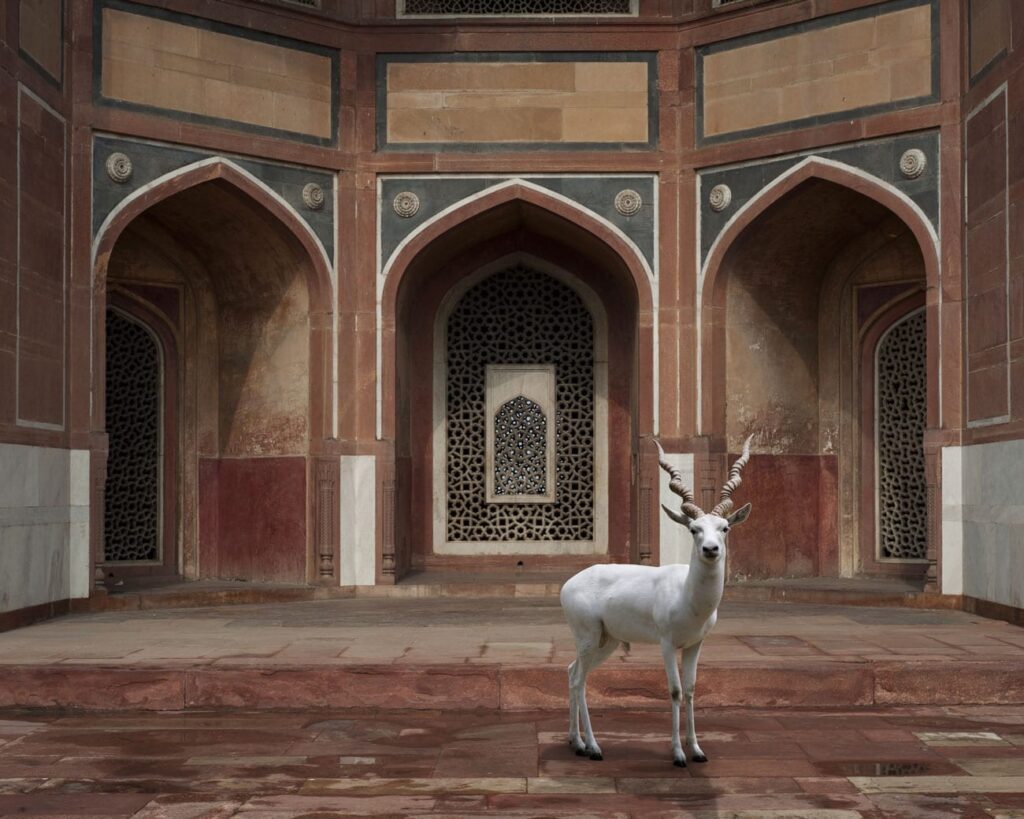
🏛️ Humayun’s Tomb, Delhi: A Magnificent Mughal Masterpiece 🏛️
Humayun’s Tomb stands as one of Delhi’s most spectacular architectural marvels, combining Persian influences with Indian craftsmanship to create a UNESCO World Heritage site that predates the Taj Mahal.
Humayun’s Tomb is one of Delhi’s most amazing buildings. It mixes Persian styles with Indian skills. This site is a UNESCO World Heritage site and was built before the Taj Mahal
Expert Says
🌟 The Historical Significance of Humayun’s Tomb 🌟
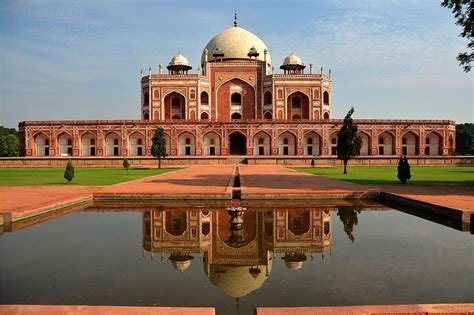
Hello there, History Lovers! Welcome to our comprehensive exploration of the magnificent Humayun’s Tomb in Delhi. This architectural marvel represents one of the finest examples of Mughal architecture in the Indian subcontinent and holds immense historical and cultural significance.
The tomb was commissioned by Humayun’s first wife and chief consort, Empress Bega Begum (also known as Haji Begum), in 1569-70, making it the first garden-tomb on the Indian subcontinent. This architectural gem predates the Taj Mahal by almost a century and actually inspired many major architectural innovations that culminated in the construction of the Taj Mahal.
https://www.google.com/maps/search/?api=1&query=Humayuns+Tomb+Delhi
| Historical Aspect | Details |
|---|---|
| Built by | Empress Bega Begum (Haji Begum) |
| Constructed | 1569-1570 |
| Dynasty | Mughal Empire |
| Emperor | Humayun (second Mughal Emperor) |
| Chief Architect | Mirak Mirza Ghiyas |
| Historical Significance | First garden-tomb in Indian subcontinent |
| Architectural Influence | Precursor to Taj Mahal |
🏰 Humayun: The Emperor Behind the Monument
Humayun was the second emperor of the Mughal dynasty who ruled over territories in what is now Afghanistan, Pakistan, and parts of northern India from 1530-1540 and again from 1555-1556. His reign was marked by significant territorial expansion but also by periods of exile when he lost his throne to Sher Shah Suri.
The emperor’s life was filled with dramatic turns of fortune, including losing his kingdom, spending years in exile in Persia, and finally reclaiming his throne. Ironically, after surviving battles and exile, Humayun died from injuries sustained after falling down the stairs of his library in 1556, just a year after regaining his empire.
🌍 The Tomb’s Place in World Architecture
Humayun’s Tomb is widely recognized as the architectural precursor to the Taj Mahal, establishing a template for subsequent Mughal architecture. It represents the first substantial example of Mughal architectural style, which was heavily influenced by Persian architecture.
The monument’s design combines Persian and Indian elements, creating a unique aesthetic that would come to define Mughal imperial projects. Its inclusion on the UNESCO World Heritage List in 1993 cemented its status as a site of “outstanding universal value” to humanity.
🏗️ Architectural Marvel and Design Elements 🏗️
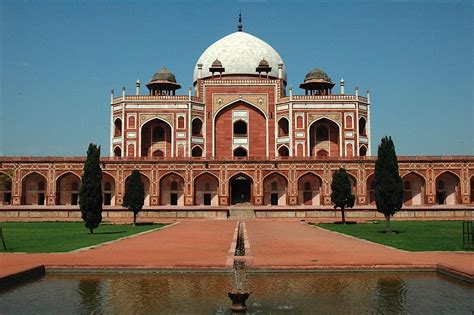
Humayun’s Tomb represents one of the most sophisticated and beautiful structures of the early Mughal period, blending Persian influences with indigenous Indian craftsmanship to create a unique architectural style that would influence centuries of building design.
The tomb sits at the center of a large garden complex, known as a charbagh (four gardens), which is divided into four main parts by walkways or flowing water. This quadrilateral garden design is inspired by the Persian concept of paradise—a symmetrical enclosed space with water channels representing the four rivers of Paradise mentioned in the Quran.
| Architectural Element | Description |
|---|---|
| Main Structure Height | 47 meters |
| Base Platform | High marble platform |
| Central Chamber | Houses the cenotaph |
| Dome Type | Double dome structure |
| Building Material | Red sandstone with white marble inlays |
| Garden Layout | Charbagh (four-fold garden) |
| Water Features | Four water channels representing rivers of paradise |
| Entrance Gates | Four gates at cardinal points |
| Geometric Patterns | Extensive use in decoration |
🏛️ The Main Mausoleum Structure
The main mausoleum of Humayun’s Tomb stands on a massive platform approximately 7 meters high. The structure is built primarily from red sandstone, with significant white marble accents and inlays, establishing a color palette that would become characteristic of Mughal architecture.
One of the most remarkable features is the double dome structure—an outer dome that creates the majestic profile visible from afar, and an inner dome that maintains proportional harmony within the interior spaces. This innovative solution allowed architects to create grand exteriors while maintaining balanced interior spaces.
🌹 Intricate Decorative Elements
The decorative elements of Humayun’s Tomb demonstrate the exquisite craftsmanship of the period. The exterior facades feature precisely carved jaalis (perforated stone screens) that filter light into the interior spaces, creating a sublime atmosphere while also serving practical purposes like air circulation.
Throughout the structure, you’ll find stunning examples of geometric and floral motifs characteristic of Islamic art. These patterns, executed with mathematical precision, adorn various surfaces of the tomb, showcasing the sophisticated aesthetic sensibilities of Mughal design.
🌉 Engineering Innovations
The tomb incorporates several engineering innovations that were revolutionary for its time. The double-dome structure was an architectural solution that allowed for a grand external appearance while maintaining harmonious proportions inside.
The architects also employed advanced techniques for water management within the garden complex, creating a sophisticated irrigation system that maintained the lush plantings of the charbagh garden. The precision with which the structure was designed and built demonstrates the advanced mathematical and engineering knowledge of the builders.
🌿 The Charbagh Garden Complex and Surrounding Structures 🌿
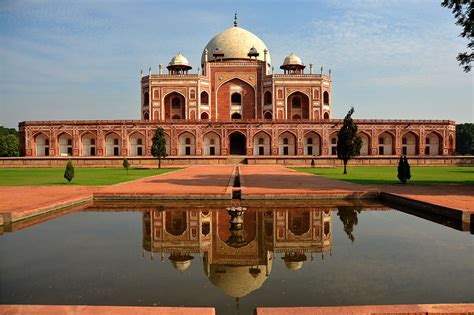
The garden complex surrounding Humayun’s Tomb is as significant as the mausoleum itself. The charbagh layout—a four-part garden divided by walkways and water channels—represents the Quranic paradise and forms an integral part of the overall architectural concept.
This garden design was introduced to India by Babur, Humayun’s father, but reached its most refined expression in Humayun’s Tomb complex. The gardens were originally planted with fruit trees and flowering plants, creating a paradisiacal setting that complemented the solemnity of the tomb.
| Garden Element | Details |
|---|---|
| Garden Type | Charbagh (Persian-style quadrilateral garden) |
| Layout Design | Four squares further divided into smaller squares |
| Pathways | Raised pathways dividing the garden |
| Water Features | Channels and pools following Mughal tradition |
| Original Plantation | Fruit trees and flowering plants |
| Symbolic Meaning | Representation of Islamic paradise |
| Restoration | Major restoration completed in 2003 |
| Surrounding Structures | Multiple other tombs, mosques, and buildings |
🌳 The Paradise Garden Concept
The charbagh layout at Humayun’s Tomb is designed according to cosmic order and geometric principles important in Islamic design. The four-fold garden layout, with water channels meeting at a central pool, symbolizes the four rivers of Paradise described in the Quran: water, milk, honey, and wine.
In Mughal garden design, this heavenly representation was not merely decorative but deeply symbolic, suggesting that the departed emperor resided in paradise. The careful balance between architecture, landscape, and water features creates a harmonious environment that enhances the spiritual significance of the site.
🕌 Other Significant Structures in the Complex
The greater Humayun’s Tomb complex contains numerous other significant structures, making it a comprehensive representation of Mughal funerary architecture. These include the tomb of Isa Khan Niyazi, an Afghan noble from Sher Shah Suri’s court, which predates Humayun’s Tomb by about two decades.
Another notable structure is the Bu Halima Garden and Gateway, which serves as an entrance to the complex. The complex also includes the Afsarwala Tomb and Mosque, the Arab Sarai, and numerous other smaller monuments, each with its own historical and architectural significance.
📖 Cultural Significance and Legacy 📖
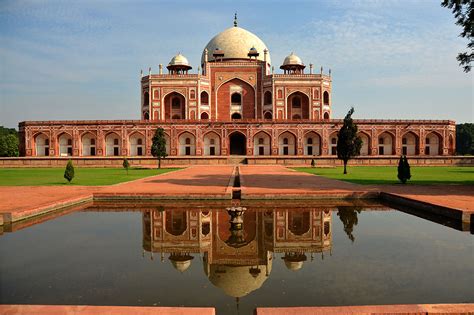
Beyond its architectural importance, Humayun’s Tomb holds immense cultural significance in Indian history. It represents a crucial period in the formation of the Mughal Empire, which would go on to rule most of the Indian subcontinent for nearly three centuries.
The tomb complex stands as a testament to the cultural synthesis that characterized the Mughal period, blending Persian, Central Asian, and Indian architectural and artistic traditions. This cultural fusion helped establish a distinctive Indo-Islamic artistic identity that influenced South Asian art and architecture for centuries.
| Cultural Aspect | Significance |
|---|---|
| Mughal Legacy | First grand dynastic mausoleum |
| Cultural Fusion | Blend of Persian, Central Asian, and Indian traditions |
| Literary References | Featured in numerous historical texts and travelogues |
| Inspiration | Influenced subsequent Mughal architecture, including Taj Mahal |
| UNESCO Status | Declared World Heritage Site in 1993 |
| Tourism Importance | Among Delhi’s most visited monuments |
| Conservation Value | Model for heritage conservation in India |
| Contemporary Recognition | Featured on Indian postal stamps and tourism materials |
🎭 Humayun’s Tomb in Art and Literature
Throughout history, Humayun’s Tomb has been depicted in numerous paintings, miniatures, and written accounts. European travelers and ambassadors to the Mughal court often described the monument in their travelogues, expressing awe at its grandeur and beauty.
In contemporary times, the tomb continues to inspire artists, writers, and filmmakers, appearing in various creative works. Its distinctive silhouette has become an iconic image representing not just Delhi’s heritage but the rich architectural legacy of the entire Indian subcontinent.
🏆 UNESCO World Heritage Status and Conservation
The inclusion of Humayun’s Tomb on the UNESCO World Heritage List in 1993 recognized its “outstanding universal value” and helped focus international attention on its preservation. This designation acknowledges the site’s exceptional importance to humanity’s cultural heritage.
Between 1999 and 2003, the Aga Khan Trust for Culture, in partnership with the Archaeological Survey of India, undertook a comprehensive restoration project at Humayun’s Tomb. This pioneering project became a model for heritage conservation in India, combining scientific restoration techniques with traditional craftsmanship and materials.
🧳 Visitor Experience and Practical Information 🧳
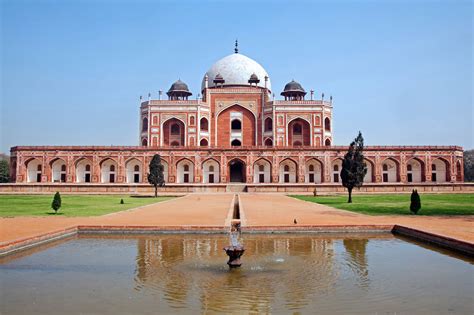
Visiting Humayun’s Tomb offers an immersive journey into Mughal history and architecture. The monument is open to visitors throughout the year and provides a serene escape from Delhi’s bustling urban landscape.
As you enter through the main gateway, the first view of the tomb across the expansive gardens creates an unforgettable impression. The experience of walking through the charbagh gardens, with their geometric precision and peaceful atmosphere, prepares visitors for the architectural splendor of the main mausoleum.
| Visitor Information | Details |
|---|---|
| Opening Hours | Sunrise to Sunset (approximately 6:00 AM to 6:00 PM) |
| Entry Fee | ₹35 for Indian citizens, ₹550 for foreign tourists |
| Best Time to Visit | October to March (cooler months) |
| Average Visit Duration | 1-2 hours |
| Photography | Allowed (no commercial photography without permission) |
| Guided Tours | Available at the entrance |
| Accessibility | Partially wheelchair accessible |
| Nearest Metro Station | JLN Stadium (Violet Line) |
| Address | Mathura Road, Nizamuddin East, New Delhi |
🔍 Tips for Visitors
For the best experience at Humayun’s Tomb, consider visiting during early morning or late afternoon hours when the light is soft and golden, bringing out the warm tones of the red sandstone. This timing also helps avoid the midday heat, especially during summer months.
Photography enthusiasts will find countless opportunities to capture the monument’s beauty, particularly the stunning contrasts between the red sandstone structure, white marble details, and the lush green gardens. The symmetrical layout offers impressive perspectives from various angles.
🌟 Nearby Attractions
While visiting Humayun’s Tomb, consider exploring other significant sites in the vicinity. The Nizamuddin Dargah, the mausoleum of the famous Sufi saint Nizamuddin Auliya, is located close by and offers insights into India’s rich spiritual traditions.
Other nearby attractions include Sunder Nursery, a recently restored 16th-century heritage park complex adjacent to Humayun’s Tomb, and the Purana Qila (Old Fort), another spectacular example of medieval architecture in Delhi.
🔄 Humayun’s Tomb Through the Ages 🔄
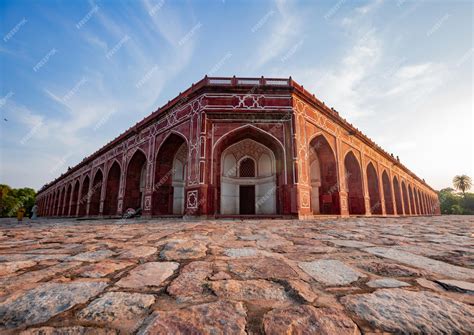
Over its 450+ year history, Humayun’s Tomb has witnessed the rise and fall of empires and undergone various phases of care, neglect, and restoration. Understanding how the monument has evolved through different historical periods enhances appreciation of its current state.
During the later Mughal period, the tomb and its gardens were maintained as a sacred space and an important dynastic symbol. However, with the decline of the Mughal Empire and the subsequent colonial period, the monument experienced periods of neglect.
| Historical Period | State of the Monument |
|---|---|
| 1570-1857 | Maintained as royal Mughal mausoleum |
| 1857-1947 | Periods of neglect during British colonial rule |
| 1947-1993 | Under Archaeological Survey of India protection |
| 1993 | Declared UNESCO World Heritage Site |
| 1999-2003 | Major restoration by Aga Khan Trust and ASI |
| 2003-Present | Ongoing conservation and improved management |
| 2007-2013 | Garden restoration to original Mughal design |
| 2018-2020 | Additional restoration work on peripheral structures |
📜 Colonial Period and Early Conservation
During the British colonial period, European observers documented the condition of Humayun’s Tomb, often lamenting its state of disrepair. The earliest conservation efforts began in the late 19th century, as part of broader British interest in India’s architectural heritage.
The Archaeological Survey of India, established in 1861, eventually took responsibility for the monument’s care. Early conservation approaches focused primarily on structural stability, with less attention to the authentic restoration of decorative elements or the garden landscape.
🌱 Modern Conservation Philosophy
Contemporary conservation efforts at Humayun’s Tomb follow international best practices that emphasize authenticity, minimal intervention, and respect for all historical layers of the monument. The landmark restoration project by the Aga Khan Trust for Culture represented a watershed moment in Indian heritage conservation.
This comprehensive project included meticulous documentation, scientific analysis of materials, revival of traditional craftsmanship, and landscape restoration. Water features that had been dry for centuries were reactivated, and the gardens were replanted according to Mughal patterns, enhancing the site’s historical authenticity.
🎨 Artistic and Aesthetic Dimensions 🎨
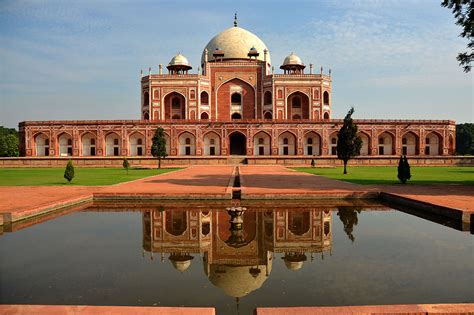
The aesthetic achievement of Humayun’s Tomb lies in its perfect balance of proportions, the harmonious relationship between architecture and landscape, and the exquisite decorative details that adorn its surfaces. This artistic sophistication established standards that influenced Mughal imperial architecture for generations.
The use of contrasting materials—primarily red sandstone with white marble highlights—creates a striking visual effect that became a signature of Mughal imperial buildings. This color scheme symbolizes the harmonious integration of different traditions within the Mughal aesthetic.
| Artistic Element | Description |
|---|---|
| Calligraphy | Quranic verses in elegant scripts |
| Stone Carving | Intricate geometric and floral patterns |
| Jaalis | Perforated stone screens with geometric designs |
| Pietra Dura | Inlaid stone work with floral motifs |
| Color Palette | Primarily red sandstone with white marble |
| Proportional System | Based on perfect squares and geometric ratios |
| Acoustics | Carefully designed sound effects in central chamber |
| Light Effects | Strategic placement of openings for dramatic lighting |
✨ Symbolic Dimensions
The artistic elements of Humayun’s Tomb carry deep symbolic significance. The perfect geometric forms—squares, octagons, and circles—represent cosmic order and divine perfection in Islamic artistic tradition. The elevated platform of the tomb symbolizes the emperor’s proximity to heaven.
The use of water in the garden design symbolizes the rivers of paradise, while the careful orientation of the tomb along cardinal directions connects the structure to cosmic alignments. These symbolic dimensions add layers of meaning to the monument beyond its obvious function as a mausoleum.
🖼️ Decorative Craftsmanship
The level of craftsmanship visible in Humayun’s Tomb’s decorative elements is extraordinary. The precision of the stone carving, the mathematical complexity of the geometric patterns, and the delicacy of the inlay work all demonstrate the exceptional skill of the artisans who created the monument.
Particularly noteworthy are the jaalis (pierced stone screens), which combine practical functions—providing ventilation and filtered light—with aesthetic beauty. These screens create ever-changing patterns of light and shadow throughout the day, bringing the monument to life with the movement of the sun.
🔬 Archaeological Discoveries and Research 🔬
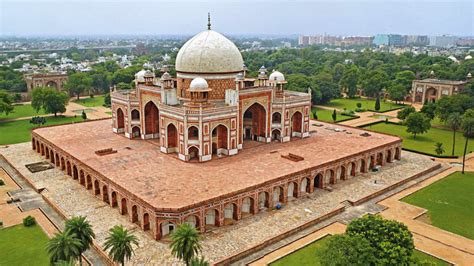
Archaeological and historical research at Humayun’s Tomb has yielded valuable insights into Mughal funerary practices, architectural techniques, and garden design. The comprehensive documentation during recent restoration projects has particularly enhanced our understanding of the monument.
Archaeological investigations have revealed earlier structures beneath parts of the complex, indicating that the site had historical significance even before the construction of Humayun’s Tomb. These discoveries help place the monument within a longer continuum of Delhi’s architectural development.
| Research Aspect | Findings |
|---|---|
| Archaeological Excavations | Discovery of pre-Mughal structures in complex |
| Material Analysis | Identification of original construction materials |
| Structural Engineering | Understanding of Mughal building techniques |
| Historical Documentation | Study of original Mughal records about construction |
| Garden Archaeology | Evidence of original plantation patterns |
| Conservation Science | Development of appropriate restoration methods |
| Digital Documentation | 3D scanning and modeling of the entire complex |
| Epigraphic Studies | Analysis of inscriptions and calligraphy |
📚 Scholarly Contributions
Academic research on Humayun’s Tomb has contributed significantly to our understanding of Mughal architecture and its influences. Scholars have traced the Persian and Central Asian precedents for various design elements, as well as identified indigenous Indian contributions to the distinctive Mughal style.
Recent interdisciplinary studies have brought together architects, historians, archaeologists, and conservation specialists to develop a more comprehensive understanding of the monument. This collaborative approach has yielded new insights into construction techniques, materials, and the original appearance of the tomb complex.
🔍 Ongoing Research Questions
Despite extensive study, several aspects of Humayun’s Tomb continue to intrigue researchers. Questions remain about the exact contribution of various architects and craftsmen, the specific symbolism of certain decorative elements, and the precise appearance of the original gardens.
Future research using advanced technologies such as ground-penetrating radar, spectroscopic analysis of materials, and computational modeling may help answer these questions and further enrich our understanding of this magnificent monument.
📊 Tourism Impact and Management 📊
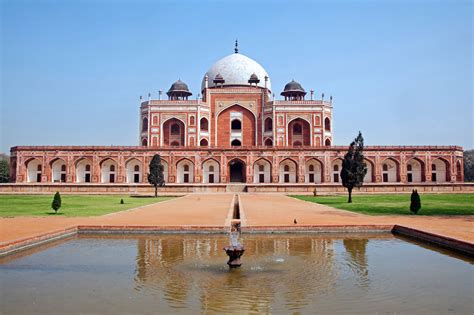
As one of Delhi’s premier heritage attractions, Humayun’s Tomb receives hundreds of thousands of visitors annually. This tourism influx brings both benefits and challenges, requiring careful management to balance accessibility with conservation concerns.
The site serves as an important educational resource for schools and universities, helping new generations appreciate India’s architectural heritage. It also contributes significantly to Delhi’s tourism economy, generating revenue and supporting local businesses.
| Tourism Aspect | Details |
|---|---|
| Annual Visitors | Approximately 2 million |
| Economic Impact | Significant contributor to local tourism economy |
| Employment | Creates direct and indirect jobs |
| Education | Important site for school visits and heritage education |
| Community Engagement | Local community involvement in site management |
| Carrying Capacity | Monitored to prevent overtourism |
| Digital Presence | Virtual tours and online resources available |
| Visitor Facilities | Regularly upgraded while respecting heritage context |
🏢 Sustainable Tourism Practices
The management of Humayun’s Tomb has increasingly embraced sustainable tourism principles. Efforts to distribute visitor flow throughout the day, limit group sizes, and provide enhanced interpretation help minimize the physical impact on the monument while maximizing the visitor experience.
The Aga Khan Trust for Culture’s involvement has introduced community-based tourism initiatives, including training local residents as guides and involving nearby communities in the benefits of heritage tourism. These approaches help ensure that tourism contributes positively to both conservation and local development.
🌱 Balancing Access and Preservation
Managing a World Heritage Site requires careful balancing of sometimes competing priorities: providing access to visitors while ensuring the long-term preservation of the monument. At Humayun’s Tomb, this balance is achieved through careful visitor management, regular monitoring of the monument’s condition, and periodic conservation interventions.
Modern technologies like digital ticketing systems help manage visitor numbers, while enhanced interpretation through signage, audio guides, and trained guides helps visitors appreciate the site while following appropriate behavior protocols.
🌍 Humayun’s Tomb in Global Context 🌍
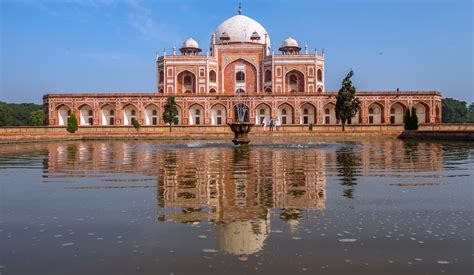
Humayun’s Tomb holds a significant place not only in Indian architectural history but also in the broader context of world heritage. As a UNESCO World Heritage Site, it belongs to an elite category of monuments considered to have “outstanding universal value” to all humanity.
The tomb exemplifies the cross-cultural exchanges that have shaped world architecture. Its synthesis of Persian, Central Asian, and Indian traditions created an architectural language that would influence building design across South Asia and beyond for centuries.
| Global Context | Significance |
|---|---|
| UNESCO Status | One of 40 World Heritage Sites in India |
| Islamic Architecture | Among finest examples of early Mughal style |
| Cultural Exchange | Represents Persian-Indian architectural synthesis |
| Conservation Model | International benchmark for heritage restoration |
| Tourism Circuit | Part of Golden Triangle tourism route |
| Comparable Monuments | Related to other great mausoleums like Taj Mahal |
| Geographical Context | Key monument in historic landscape of Delhi |
| International Cooperation | Model for cross-border heritage partnerships |
🏛️ Comparison with Other World Monuments
Humayun’s Tomb invites comparison with other great mausoleums worldwide, from the Taj Mahal (which it influenced) to monuments like the Mausoleum of Halicarnassus, the Tomb of Cyrus the Great in Persia, and even European royal mausoleums. These comparisons highlight both shared architectural principles and distinctive cultural expressions.
In the context of Islamic architecture, Humayun’s Tomb represents a significant evolution in mausoleum design, incorporating elements from earlier Timurid architecture while developing new spatial concepts that would become characteristic of Mughal imperial buildings.
🌐 International Recognition and Collaboration
The successful restoration of Humayun’s Tomb through international collaboration between the Aga Khan Trust for Culture and the Archaeological Survey of India demonstrates the value of cross-border partnerships in heritage conservation. This model has inspired similar approaches at other World Heritage Sites globally.
The monument’s international significance is also reflected in its prominent featuring in global tourism promotions, travel literature, and cultural diplomacy initiatives that position India’s architectural heritage on the world stage.
🧩 Humayun’s Tomb: A Living Monument 🧩
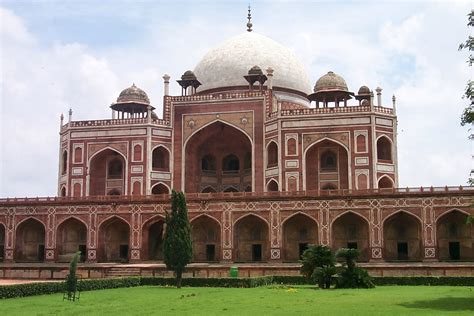
Despite being over 450 years old, Humayun’s Tomb remains a living monument that continues to play a vital role in contemporary cultural life. It serves not only as a tourist attraction but also as a space for cultural events, educational programs, and community engagement.
The monument’s enduring relevance speaks to the timeless quality of its design and the continued resonance of the cultural values it embodies. As Delhi evolves as a global metropolis, Humayun’s Tomb provides an anchor to the city’s historical identity and architectural heritage.
| Contemporary Role | Examples |
|---|---|
| Cultural Events | Concerts and performances in the gardens |
| Educational Programs | School visits and heritage workshops |
| Community Space | Local gathering place and green space |
| National Symbol | Featured in tourism promotions and currency |
| Urban Landmark | Key orientation point in Delhi’s landscape |
| Conservation Laboratory | Testing ground for heritage management approaches |
| Research Center | Ongoing archaeological and historical studies |
| Environmental Benefit | Green space providing ecological services |
🌱 Social and Community Dimensions
Beyond its architectural and historical significance, Humayun’s Tomb plays an important social role in contemporary Delhi. The garden complex provides valuable green space in an increasingly dense urban environment, offering residents a place for recreation, contemplation, and connection with history.
Community engagement initiatives associated with the site’s management have created employment opportunities, revived traditional crafts, and fostered pride in local heritage. These social dimensions demonstrate how historic monuments can contribute to contemporary urban vitality and community wellbeing.
🔮 Future Challenges and Opportunities
Looking forward, Humayun’s Tomb faces challenges including urban development pressures, environmental pollution, and the increasing impacts of climate change. Addressing these challenges while maintaining the site’s authenticity and significance will require innovative approaches to heritage management.
Digital technologies offer new opportunities for interpretation, documentation, and visitor engagement. Virtual and augmented reality applications can enhance the visitor experience, while advanced monitoring techniques can support conservation efforts by detecting problems before they become serious.
Humayun’s Tomb remains one of India’s most magnificent architectural treasures, a monument that continues to inspire awe nearly five centuries after its construction. Its harmonious blend of Persian and Indian elements, perfect proportions, and serene garden setting make it an enduring masterpiece of world architecture.
As we continue to study, preserve, and appreciate this extraordinary monument, we gain not only insights into Mughal history and culture but also timeless lessons about beauty, harmony, and the power of architecture to transcend time and speak to the deepest human aspirations.
Keywords: Humayun’s Tomb architecture, Delhi heritage sites, Mughal tombs India, UNESCO World Heritage Delhi, Charbagh garden design
Further Reading:
- Learn more about Mughal architectural history
- Explore more about Delhi’s Nizamuddin area
- Discover other UNESCO World Heritage Sites in India
Tried Jljl99app on my phone. It’s pretty smooth, haven’t had any major issues so far. Worth a shot I reckon. Check this jljl99app out.
Kebetcom… yeah, it’s aight. Seen worse. Worth giving a look if you are searching. Check this kebetcom.