

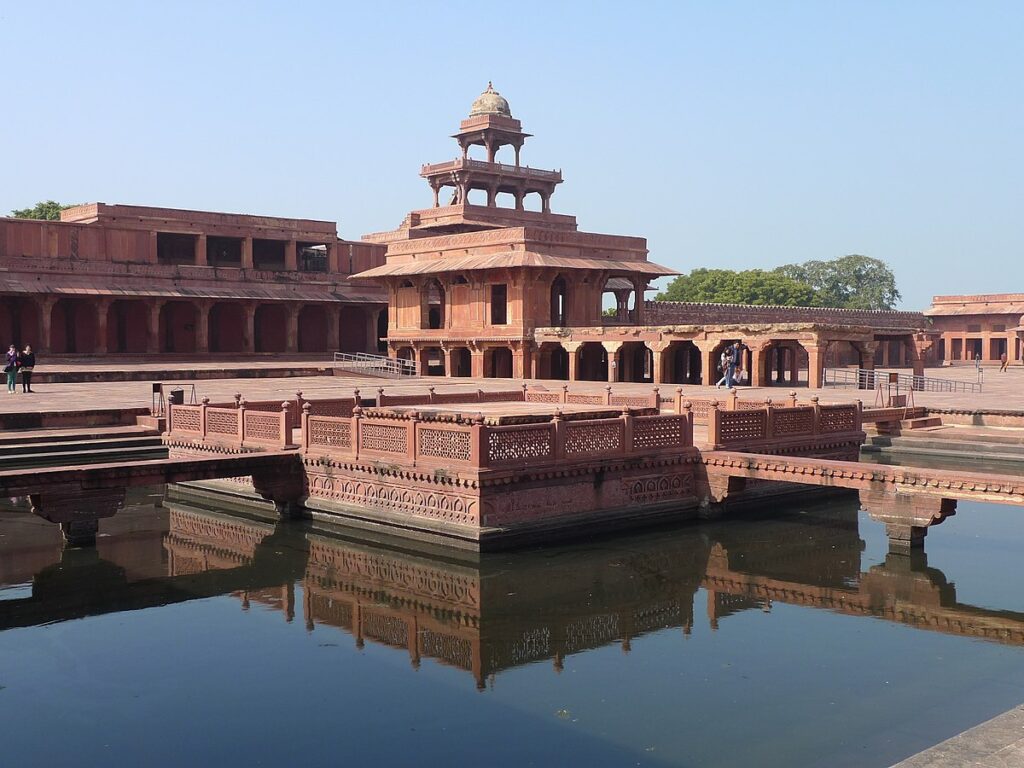
Fatehpur Sikri is a city that thrived during Mughal Emperor Akbar’s rule. It is a beautiful example of Mughal architecture.
Fresh N Easy
Fatehpur Sikri: A Journey Through History and Architecture 🕌✨
Table of Content
🗒️
- Introduction to Fatehpur Sikri 💖
- Historical Significance of Fatehpur Sikri 📜
- Architectural Marvels of Fatehpur Sikri 🏛️
- Cultural Blend at Fatehpur Sikri 🌏
- Visiting Fatehpur Sikri: Tips and Recommendations 🌟
- Preservation Efforts for Fatehpur Sikri 🚧
- Fatehpur Sikri in Art and Literature 🎨
- Festivals and Events at Fatehpur Sikri 🎉
- Local Cuisine Near Fatehpur Sikri 🍛
- Surrounding Attractions of Fatehpur Sikri 🧭
- Photography Tips at Fatehpur Sikri 📸
- Expert Reviews on Fatehpur Sikri ⭐
- Storytelling: Legends Surrounding Fatehpur Sikri 🏰
- Conservation Challenges at Fatehpur Sikri ⚠️
- Conclusion: Fatehpur Sikri Awaits You! 🚀
Introduction to Fatehpur Sikri 💖
Welcome, history enthusiasts and explorers! Are you ready to embark on a captivating journey through one of India’s most enchanting historical sites? Fatehpur Sikri, a city that flourished during the reign of Mughal Emperor Akbar, stands as a stunning example of Mughal architecture and a testament to the rich cultural fusion of the period.
Fatehpur Sikri was not just a capital; it was a hub of art, culture, and political power. Constructed in the late 16th century, this UNESCO World Heritage Site is dotted with antique palaces, intricately carved structures, and a history that whispers from the walls. Let’s dive deep into what makes Fatehpur Sikri a must-visit for history lovers!
Historical Significance of Fatehpur Sikri 📜
Fatehpur Sikri was built by Akbar between 1571 and 1585 as his capital. This impressive city was designed to be a showpiece of Mughal grandeur and serves as a significant marker in Indian history. However, after only 14 years, the capital was abandoned due to water scarcity, leading to its eventual neglect.
| Year | Event |
|---|---|
| 1569 | Akbar begins construction |
| 1571 | Formal establishment of Fatehpur Sikri |
| 1585 | City is abandoned |
| 1986 | Declared a UNESCO World Heritage Site |
The reason for its founding lies in Akbar’s desire to connect with the diverse cultures of his empire. The city served as an administrative and political center, promoting discussions on governance, religion, and art between various communities.
Architectural Marvels of Fatehpur Sikri 🏛️
The architecture of Fatehpur Sikri is an exquisite blend of Persian and Indian styles, marked by red sandstone structures adorned with intricate carvings. Notable sites include the Buland Darwaza, the largest gateway in the world, and the Panch Mahal, a magnificent five-story palace that illustrates the unique Mughal architectural style.
| Structure | Description |
|---|---|
| Buland Darwaza | Stands at 54 meters, symbolizes Akbar’s victory |
| Jodha Bai Palace | Largest palace, representing Akbar’s Rajput wife |
| Diwan-i-Khas | Hall of private audience adorned with a throne |
Each structure tells a story of its time, showcasing the majestic artistry and craftsmanship of Mughal builders. The intricate jali work and massive courtyards evoke a sense of grandeur and sophistication that characterizes the Mughal era.
Cultural Blend at Fatehpur Sikri 🌏
Fatehpur Sikri is not only an architectural marvel but also a melting pot of cultures. As a center of religious tolerance, Akbar integrated diverse faiths, such as Hinduism, Islam, and Jainism, within the city. This amalgamation is evident in the structures and the day-to-day life of its inhabitants.
| Influence | Description |
|---|---|
| Religious Tolerance | Akbar’s interactions with different faiths |
| Art and Culture | Birthplace of various artistic traditions |
Events like religious discussions and festivals celebrating different communities enriched the cultural fabric of the city. This unification reflected Akbar’s vision for a secular and pluralistic society, setting a precedent for cooperative coexistence.
Visiting Fatehpur Sikri: Tips and Recommendations 🌟
When planning your visit to Fatehpur Sikri, consider the best time of year to go, which is between October and March when the weather is most pleasant. It’s advisable to wear comfortable shoes as there’s much to explore on foot.
Tips for Visiting
- Timings: Fatehpur Sikri is open from 6 AM to 6 PM.
- Local Guides: Hiring a local guide can enhance your experience by providing historical context that enhances your visit.
- Photography: Ensure you have your camera or smartphone ready to capture the breathtaking architecture.
| Recommendation | Details |
|---|---|
| Best Time to Visit | October to March |
| Suggested Duration | 3-4 hours to explore fully |
| Photography Tips | Respect rules on photography near shrines |
Exploring Fatehpur Sikri offers a sensory feast. From the resonant whispers of history echoing through its halls to the intricate designs that dazzle the eye, this historical site is a treasure trove of experiences.
Preservation Efforts for Fatehpur Sikri 🚧
Over the years, Fatehpur Sikri has faced challenges, including environmental degradation and the effects of tourism. Several efforts have been put in place to preserve this UNESCO World Heritage Site.
| Preservation Focus | Actions |
|---|---|
| Restoration of Structures | Ongoing archaeological studies and renovation work |
| Environmental Measures | Water management and greenery around the site |
Efforts by the Archaeological Survey of India (ASI) focus on maintaining the legacy while addressing vulnerabilities posed by tourism and the elements. It is crucial for visitors to be responsible and help in preserving the integrity of this historical marvel.
Fatehpur Sikri in Art and Literature 🎨
Fatehpur Sikri has inspired countless works of art and literature, celebrated for its beauty and historic significance. Artists and writers have drawn upon its architectural brilliance and the fascinating stories linked to Akbar’s court.
| Medium | Examples |
|---|---|
| Literature | “The Siege of Fatehpur Sikri” by various authors |
| Visual Arts | Paintings depicting royal life and architecture |
Today, its influence is palpable, resonating in creative expressions that keep Akbar’s legacy alive. This cultural impact embraces both historical narratives and contemporary interpretations, showcasing the lasting impression of Fatehpur Sikri.
Festivals and Events at Fatehpur Sikri 🎉
Throughout the year, Fatehpur Sikri hosts various festivals that reflect its historical and cultural heritage. These events bring together locals and tourists, celebrating the vibrant traditions rooted in the city.
| Festival | Significance |
|---|---|
| Urs Festival | Commemorates the saint Salim Chishti with music and food |
| Diwali | The festival of lights creates a vibrant atmosphere in the city |
Participating in these festivals can enrich your experience, allowing you to witness the local culture and traditions as they come alive in celebration.
Local Cuisine Near Fatehpur Sikri 🍛
No visit to Fatehpur Sikri is complete without indulging in the local cuisine. The culinary scene reflects the multicultural tapestry of the region, where Mughal influences create a unique flavor profile.
| Dish | Description |
|---|---|
| Biryani | Saffron-flavored rice with meat or vegetables |
| Chaat | A mix of crispy snacks made with potatoes and spices |
Exploring the food stalls and nearby restaurants can provide a delicious glimpse into the local culinary traditions, making your trip even more memorable.
Surrounding Attractions of Fatehpur Sikri 🧭
While Fatehpur Sikri is a jewel in itself, the surrounding area is also rich with attractions, making it an excellent base for further exploration.
| Nearby Attraction | Features |
|---|---|
| Agra Fort | A UNESCO World Heritage Site, another masterpiece of Mughal architecture |
| Taj Mahal | The iconic mausoleum and a symbol of love, located just a short drive away |
These attractions are easily reachable and offer additional insight into the Mughal era, completing your historical journey in the region.
Photography Tips at Fatehpur Sikri 📸
Capturing the essence of Fatehpur Sikri through photography can create lasting memories. The site offers numerous photogenic spots where historical architecture meets natural beauty.
| Photography Tip | Details |
|---|---|
| Golden Hour | Visit early morning or late afternoon for the best light |
| Framing Scenes | Use arches and courtyards to frame your shots |
Always be respectful of the historical significance of the site while photographing, ensuring to maintain the dignity that Fatehpur Sikri embodies.
Expert Reviews on Fatehpur Sikri ⭐
Expert opinions and travel reviews can provide insightful information for potential visitors. Many recommend including Fatehpur Sikri on any itinerary through India for its architectural marvels and cultural richness.
| Review Source | Summary |
|---|---|
| Lonely Planet | Highlights it as a must-visit historical site |
| TripAdvisor | Praised for stunning beauty and historical significance |
Reading multiple perspectives can enhance your understanding and appreciation of this remarkable site before your visit.
Storytelling: Legends Surrounding Fatehpur Sikri 🏰
Fatehpur Sikri is also rich in legends that capture the imagination of visitors. Stories of mystical events occurring in the city enhance its enchanting allure.
| Legend | Summary |
|---|---|
| The Legend of Salim Chishti | The saint whose blessings influenced Akbar to build the city |
| The Lost Capital | Tales about why the city was abandoned after only 14 years |
These legends add a layer of intrigue and mystery, inviting visitors to delve into the stories behind the structures.
Conservation Challenges at Fatehpur Sikri ⚠️
Despite its grandeur, Fatehpur Sikri faces conservation challenges. Issues such as environmental degradation and air pollution put the structures at risk, prompting a need for sustainable tourism practices.
| Challenge | Impact |
|---|---|
| Water Scarcity | Formerly a problem for inhabitants and continues to affect preservation |
| High Tourist Footfall | Increased wear and tear on structures due to large crowds |
Addressing these challenges requires the collaborative effort of both government bodies and visitors, aiming to protect this national treasure for future generations.
Conclusion: Fatehpur Sikri Awaits You! 🚀
In conclusion, Fatehpur Sikri stands as a resplendent symbol of India’s rich historical tapestry and cultural fusion. Whether you’re drawn in by its architectural splendor, historical significance, or vibrant local culture, Fatehpur Sikri promises an unforgettable experience. We invite you to explore further and make this captivating site a part of your journey.
For more adventurous articles about uncovering the gems of India, be sure to check out our blog!
References:
Keywords:
- Fatehpur Sikri history, Google Search
- Fatehpur Sikri architecture, Google Search
- visit Fatehpur Sikri, Google Search
- Fatehpur Sikri tourism, Google Search
- things to do in Fatehpur Sikri, Google Search