

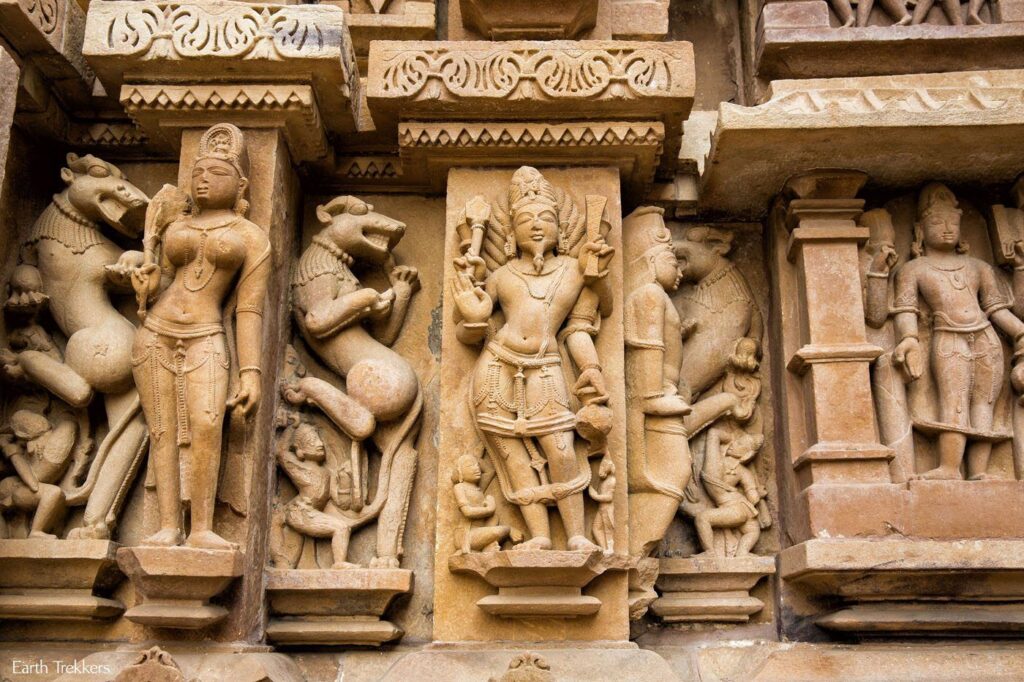
Khajuraho Architecture: A Marvel of Temptation and Tradition 🕌💖
Experts describe Khajuraho architecture as a unique blend of spirituality, sensuality, and craftsmanship, representing the zenith of medieval Indian art.
Table of Content
🗺️
- Historical Background
- Architectural Style
- Cultural Significance
- Notable Temples
- Erotic Sculptures
- Religious Influence
- Construction Techniques
- Conservation Efforts
- Tourism Impact
- Local Legends
- Architectural Features
- Artistic Elements
- International Recognition
- Challenges Facing Khajuraho
- Future of Khajuraho
Historical Background
Khajuraho, located in Madhya Pradesh, India, is a town renowned for its stunning Hindu and Jain temples, celebrated for their intricate sculptures and carvings. Constructed between 950 and 1050 AD during the rule of the Chandela dynasty, the temples were originally built to serve as centers for worship, learning, and cultural exchange. The period saw significant advancements in art and architecture, leading to the creation of structures that are not only religious monuments but also representations of the society and culture of that time.
Over centuries, the temples faced neglect, with many of them being lost to time until their rediscovery in the 19th century. The name Khajuraho is derived from the Hindi word “Khajur” which means date palm, indicative of the vegetation surrounding these monuments. The site was declared a UNESCO World Heritage Site in 1986, recognizing its importance as a cultural treasure of India.
| Attribute | Description |
|---|---|
| Location | Madhya Pradesh, India |
| Period | 950 – 1050 AD |
| Dynasty | Chandela Dynasty |
| UNESCO Status | World Heritage Site since 1986 |
| Notable Features | Intricate carvings, unique architectural style |
Architectural Style
Khajuraho architecture represents a unique style characterized by its grandeur and intricate detailing. The temples are constructed using sandstone and feature soaring spires, or “shikharas,” which symbolize Mount Meru—the mythical abode of the gods in Hindu cosmology. The architectural layout generally includes sanctums, pillared halls, and intricate doorways adorned with exquisite carvings.
The designs incorporate various geometric patterns and motifs that are interwoven with organic forms, providing an enchanting aesthetic. The temples of Khajuraho predominantly follow the Nagara style of architecture, indicative of North Indian temple architecture. This style is exemplified by curved roofs, enormous towers, and richly decorated walls.
/htm
| Feature | Description |
|---|---|
| Temple Style | Nagara Style |
| Materials Used | Sandstone |
| Significant Elements | Shikharas, pillared halls, intricate carvings |
| Decorative Patterns | Geometric, organic motifs |
Cultural Significance
The cultural significance of Khajuraho architecture is profound. It reflects the social, cultural, and religious milieu of its time, encapsulating various aspects of life through art. The sculptures depict divinities, celestial beings, daily life, and eroticism, showcasing the openness of the Chandela society regarding sexuality and love.
These temples functioned as spiritual centers where rituals and festivals were conducted, and they continue to be a significant part of the local culture. The integration of erotic themes within the temple art does not merely serve as a depiction of sensuality but is also interpreted as a representation of the union of body and spirit, illustrating a deeper philosophical understanding of life.
| Aspect | Description |
|---|---|
| Social Representation | Depictions of daily life, rituals, and eroticism |
| Spiritual Themes | Union of body and spirit, philosophical insights |
| Festivals | Continuous cultural practices and celebrations |
Notable Temples
Among the many temples in Khajuraho, several stand out for their architectural beauty and historical importance. The Kandariya Mahadev Temple is the largest and most significant temple, dedicated to Lord Shiva. It showcases a magnificent sculpture of the deity surrounded by divine attendants.
Another remarkable temple is the Lakshmana Temple, which is notable for its intricate carvings and unique architecture. Additionally, the Jain temples showcase exquisite architecture and are dedicated to Tirthankaras, emphasizing the city’s acceptance of diverse spiritual beliefs.
| Temple Name | Dedication | Key Features |
|---|---|---|
| Kandariya Mahadev Temple | Lord Shiva | Rich carvings, tallest shikhara |
| Lakshmana Temple | Lord Vishnu | Detailed sculptures, unique structure |
| Jain Temples | Tirthankaras | Intricate design, spiritual significance |
Erotic Sculptures
One of Khajuraho’s most notable features is its erotic sculptures, which have garnered both fascination and controversy. These sculptures are not merely representations of eroticism; they reflect the celebration of love, connection, and harmony in relationships. The detailed portrayals of various sexual acts and positions demonstrate the artistic prowess of craftsmen while exploring themes of passion and sensuality.
The erotic sculptures are often set amidst depictions of other divine figures and daily life, blending the sacred with the profane. This duality emphasizes the idea that sexuality, as a natural expression of human emotion, is an integral part of life itself.
| Aspect | Description |
|---|---|
| Themes | Expression of love, connection, and harmony |
| Artistic Style | Highly detailed, symbolic representations |
| Context | Blend of sacred and profane elements |
Religious Influence
Khajuraho temples were primarily built as places of worship for Hindus and Jains. The architecture and sculptures within embody the syncretism of these religions. The temples showcase distinct styles associated with Hindu deities and Jain Tirthankaras, demonstrating a celebration of faith in its diversity.
The historical context of these temples illustrates a period of tolerance and harmony between various sects of Indian religion. The artwork allows insight into the spiritual philosophies of the time, weaving narratives from the Puranas and Jain scriptures into the temple’s fabric.
| Religious Aspect | Description |
|---|---|
| Major Religions | Hinduism and Jainism |
| Sculptural Themes | Depictions from texts of Puranas and Jain scriptures |
| Syncretism | Representation of diverse spiritual beliefs |
Construction Techniques
The construction of Khajuraho temples was an extraordinary feat that involved advanced architectural techniques. Utilizing locally sourced sandstone, artisans showcased their expertise by skillfully carving the stones to create intricate designs. The layout of each temple was meticulously planned using precision mathematics, reflecting deep knowledge of geometry and symmetry.
The temples also displayed a remarkable understanding of structural integrity, enabling them to withstand the test of time. Features such as vertical and horizontal alignment ensure stability, while the aesthetic appeal resonates with the beauty of form and function.
| Technique | Description |
|---|---|
| Material Used | Local sandstone |
| Planning | Precision mathematics for layout and design |
| Structural Features | Vertical and horizontal alignment for stability |
Conservation Efforts
The preservation of Khajuraho architecture is crucial to maintaining its cultural and historical importance. Various organizations, including the Archaeological Survey of India (ASI), are actively involved in conservation efforts, which include careful restoration and maintenance of the temples to prevent degradation.
These efforts also focus on promoting awareness of Khajuraho’s artistic significance and educating visitors about its cultural heritage. Ongoing initiatives aim to ensure that both local and international tourists appreciate the architectural marvels without compromising their integrity.
| Initiative | Description |
|---|---|
| Organizations | Archaeological Survey of India (ASI) |
| Goals | Restoration, maintenance, and educational programs |
| Visitor Engagement | Awareness campaigns for cultural heritage |
Tourism Impact
Khajuraho’s recognition as a UNESCO World Heritage Site significantly boosts its tourism sector. The temples attract millions of visitors annually, providing a vital source of livelihood for local communities through tourism-related activities. The influx of tourists also raises awareness about the significance of the site, promoting cultural exchange.
However, increased foot traffic poses challenges as well. It necessitates sustainable tourism practices that balance preservation efforts with economic benefits, ensuring that Khajuraho remains a living heritage site for future generations.
| Aspect | Description |
|---|---|
| Visitor Statistics | Millions of tourists annually |
| Economic Impact | Livelihood opportunities for local communities |
| Sustainability | Need for responsible tourism practices |
Local Legends
Khajuraho is not just about its architecture; it is steeped in myths and legends that add to its mystique. Folklore often recounts tales of celestial nymphs and gods who danced amid the temples, inspiring the intricate carvings that adorn them. Local narratives enrich the historical context, providing a layer of spirituality and connection to the past.
These legends help preserve traditions and maintain a communal sense of identity, linking the present with the rich history of Khajuraho. They also serve as captivating stories for visitors, enhancing their experience of this iconic site.
| Legend | Description |
|---|---|
| Celestial Nymphs | Stories of divine figures associated with temples |
| Historical Narratives | Folklore that links present with past traditions |
Architectural Features
The architectural features of Khajuraho temples are not just beautiful; they are profound in their complexity. Detailed carvings, sculptures, and the ornate design of pillars serve both aesthetic and symbolic purposes. Elements such as the use of vertical lines in pillars create a sense of upward movement, embodying spiritual ascent.
Furthermore, the orientation of the temples generally aligns with cardinal directions, enhancing their sacred significance. The intricate iconography and motifs used in the carvings tell stories of deities, nature, and human emotions, creating a visual narrative that engages visitors on multiple levels.
| Feature | Description |
|---|---|
| Design Elements | Vertical lines, intricate carvings |
| Symbolism | Orientation and alignment with cardinal directions |
| Narrative Intent | Visual storytelling through iconography |
Artistic Elements
Artistry at Khajuraho is characterized by a blend of creativity and devotion. The artisans of Khajuraho employed various techniques to create climate-resistant sculptures that have stood the test of time. They utilized a mix of chisel and brush techniques to achieve fine details and textures in their works.
The color palette of the sculptures tends to reflect earthy tones that resonate with the natural surroundings, while highlights enhance facial features and emotional expressions. This attention to detail elevates the sculptures beyond mere decoration; they become an artistic expression of spirituality and culture.
| Artistic Aspect | Description |
|---|---|
| Techniques | Chisel and brush methods for detailing |
| Color Palette | Earthy tones with highlights |
| Expression | Emotional and spiritual connection depicted |
International Recognition
Khajuraho’s architectural brilliance has garnered international recognition beyond its UNESCO heritage status. It has inspired numerous artists and architects worldwide, becoming a symbol of India’s rich cultural tradition. The fusion of art, spirituality, and sensuality depicted in the temples continues to evoke admiration.
Global exhibitions and art fairs often showcase Khajuraho influences, establishing it as a point of reference in discussions around spirituality and creativity. The site attracts scholars, historians, and art enthusiasts, fostering international dialogue on heritage and conservation.
| Recognition | Description |
|---|---|
| UNESCO World Heritage | Designation as a cultural treasure |
| Global Influence | Inspiration for artists and architects worldwide |
| Scholarship | Engagement in international dialogue on heritage |
Challenges Facing Khajuraho
Despite its beauty, Khajuraho faces numerous challenges that threaten its integrity. Natural factors such as weathering from monsoon rains and pollution are detrimental to the preservation of the stone carvings. Additionally, the increase in tourism raises concerns regarding wear and tear on the monuments.
Efforts to mitigate environmental impacts are essential. Strategies to control visitor access, such as defined pathways and educational programs, serve to protect the delicate architecture while allowing enjoyment of the site.
| Challenge | Description |
|---|---|
| Environmental Factors | Weathering and pollution affecting preservation |
| Tourism Management | Need for sustainable practices |
| Access Control | Strategies to protect delicate architecture |
Future of Khajuraho
The future of Khajuraho lies in balancing preservation with modernization. As global awareness of cultural heritage increases, there is hope for enhanced conservation techniques and community engagement. Sustainable tourism practices can contribute positively to the local economy while protecting this priceless heritage.
Continued efforts to promote the artistic and cultural significance of Khajuraho will ensure that future generations can appreciate its beauty. Collaboration between government, local communities, and international organizations can pave the way for a lasting legacy.
| Future Focus | Description |
|---|---|
| Preservation | Balancing heritage with modern needs |
| Sustainable Practices | Cultural tourism contributing to preservation |
| International Collaboration | Partnership for heritage management |
Conclusion
In conclusion, Khajuraho architecture stands as a timeless testament to India’s rich cultural and artistic heritage. As a blend of spirituality, sensuality, and craftsmanship, it captures the essence of an era where art and life intermingled beautifully. Visitors are invited to explore its intricacies and narratives, while conservation efforts seek to protect its legacy.
For more captivating articles on architectural wonders around the world, check out our other pieces!
Really enjoyed reading this. The writing is clear and practical. [XQ7T9]
This deep dive into the architectural styles and cultural significance of Khajuraho is fascinating. I was looking for more details on the construction techniques you mentioned and found some great visual references at https://kabligo.com that really helped bring those intricate carvings to life. Thanks for such a comprehensive overview!