

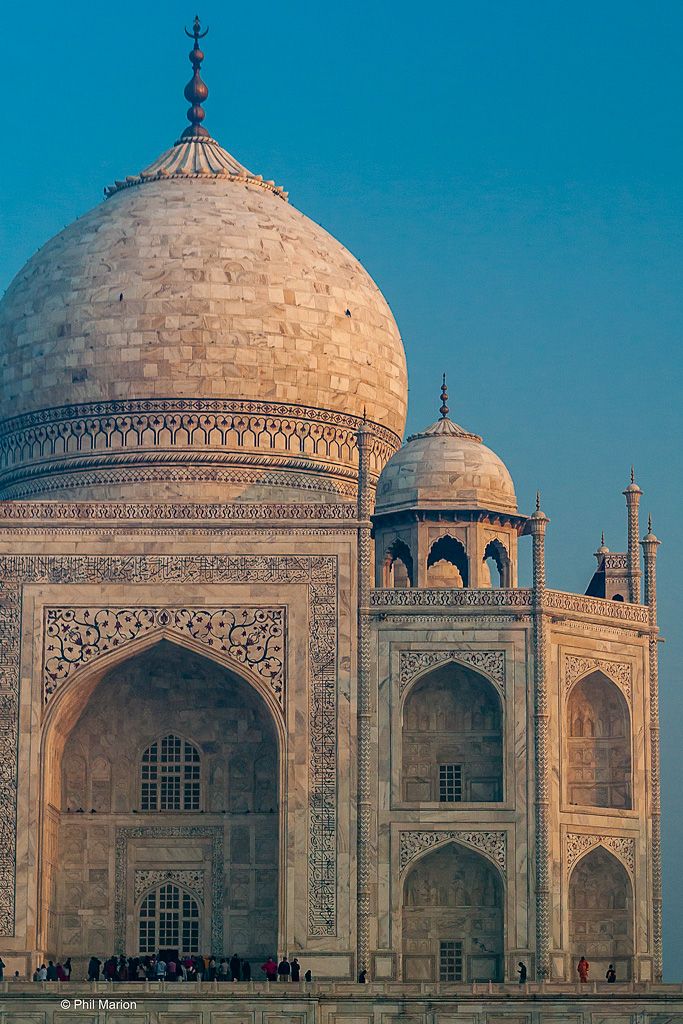
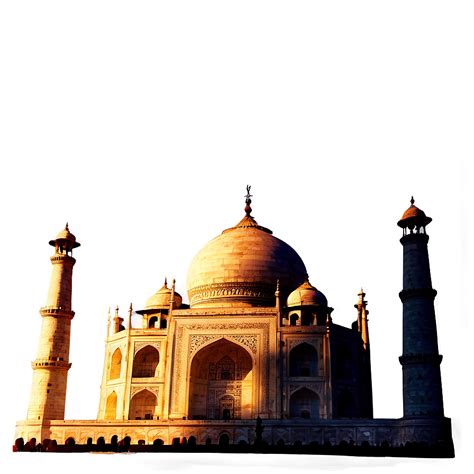
The Taj Mahal stands as India’s most iconic masterpiece, a testament to undying love and architectural brilliance that captivates millions of visitors annually with its pristine marble elegance
Fresh N Easy
🏛️ Taj Mahal: The Breathtaking Monument of Eternal Love 🏛️
The Taj Mahal is India’s most famous landmark. It shows everlasting love and great architecture. Every year, millions of visitors are drawn to its beautiful white marble.
🌟 Introduction to the Magnificent Taj Mahal
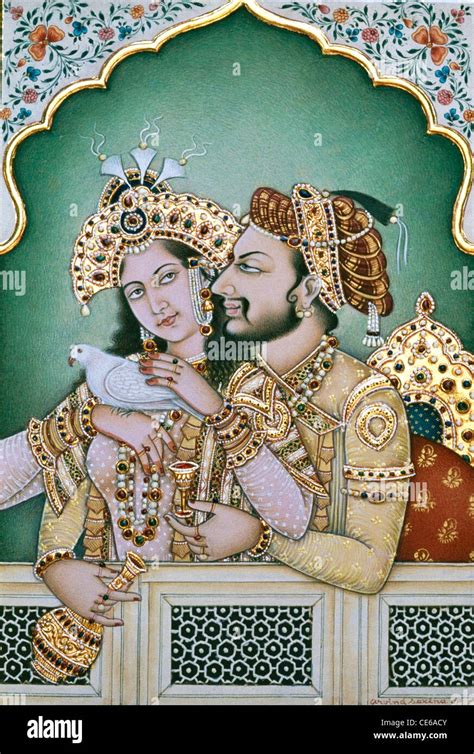
Hello there, History Lovers! Are you fascinated by architectural wonders that tell profound stories of love and devotion? Today, we’re exploring one of the world’s most breathtaking monuments – the magnificent Taj Mahal! This gleaming white marble mausoleum isn’t just a building; it’s a poetic expression of Emperor Shah Jahan’s eternal love for his beloved wife Mumtaz Mahal.
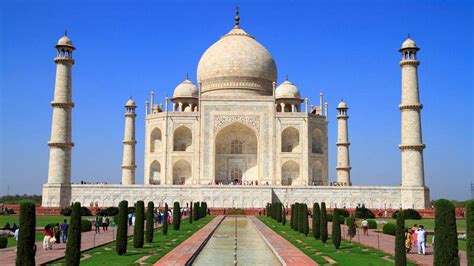
The Taj Mahal stands majestically on the southern bank of the Yamuna River in Agra, India, drawing millions of visitors every year who come to witness its unparalleled beauty. Recognized as a UNESCO World Heritage Site and considered one of the New Seven Wonders of the World, this 17th-century masterpiece continues to mesmerize everyone with its perfect symmetry, intricate details, and the romantic tale behind its creation.
| Taj Mahal Quick Facts | Details |
|---|---|
| Built in | 1632-1653 AD |
| Commissioned by | Emperor Shah Jahan |
| Built for | Mumtaz Mahal (Shah Jahan’s wife) |
| Architects | Ustad Ahmad Lahauri (chief architect) |
| UNESCO Status | World Heritage Site (1983) |
| Visitors per year | Approximately 7-8 million |
| Construction cost | Estimated 32 million rupees (at that time) |
💖 The Love Story Behind the Taj Mahal
The Taj Mahal isn’t just an architectural marvel; it’s a monument built out of profound grief and eternal love. The story begins with Mughal Emperor Shah Jahan and his beloved wife Mumtaz Mahal, whose relationship transcended the typical royal marriages of that era.
When Mumtaz Mahal died during childbirth in 1631 while giving birth to their 14th child, Shah Jahan was devastated beyond measure. Legend has it that her dying wish was for Shah Jahan to build her a mausoleum more beautiful than any the world had ever seen. The emperor’s grief manifested in his determination to create the most extraordinary memorial for his beloved wife.
| Timeline of the Love Story | Events |
|---|---|
| 1607 | Shah Jahan (then Prince Khurram) meets Mumtaz Mahal (then Arjumand Banu Begum) |
| 1612 | Marriage of Shah Jahan and Mumtaz Mahal |
| 1612-1631 | 19 years of marriage, 14 children |
| June 17, 1631 | Death of Mumtaz Mahal during childbirth |
| 1632 | Construction of Taj Mahal begins |
| 1666 | Shah Jahan dies and is buried beside Mumtaz in the Taj Mahal |
💔 The Emperor’s Grief
Shah Jahan’s grief was so intense that it’s said his hair and beard turned white almost overnight after Mumtaz’s death. Court chronicles describe how the emperor secluded himself in mourning, emerging after two years with the resolve to build the magnificent tomb.
The depth of Shah Jahan’s love is reflected in every aspect of the Taj Mahal’s design. He personally oversaw many details of the construction, ensuring that the monument would be perfect in every way as a tribute to his beloved wife.
👑 Royal Romance That Defied Conventions
What made the relationship between Shah Jahan and Mumtaz Mahal so special was its departure from royal norms of the time. Despite having multiple wives (as was customary for rulers), Shah Jahan was deeply devoted to Mumtaz, who accompanied him on military campaigns and served as his trusted advisor.
Their love story represents a rare instance where a royal marriage transcended political alliance to become a genuine partnership based on love, respect, and mutual admiration—qualities that Shah Jahan ensured would be immortalized in marble for eternity.
🏗️ Architectural Marvel and Construction
The creation of the Taj Mahal was an unprecedented architectural endeavor that combined elements from Persian, Islamic, and Indian architectural styles to create something entirely unique. The construction began in 1632 and took approximately 20 years to complete, employing over 20,000 artisans and craftsmen from across Asia.
This monumental project required the expertise of the finest architects, with Ustad Ahmad Lahauri generally credited as the principal designer. The logistics alone were staggering: over 1,000 elephants were used to transport building materials, and a special 15-kilometer ramp was constructed to move the massive marble blocks to the construction site.
| Construction Elements | Details |
|---|---|
| Main material | White marble from Makrana, Rajasthan |
| Other materials | 28 types of precious and semi-precious stones |
| Workforce | 20,000+ workers |
| Transportation | 1,000+ elephants |
| Main structure height | 73 meters (240 feet) |
| Garden area | 17 hectares |
| Total cost in today’s value | Estimated $1 billion USD |
🧱 Materials and Craftsmanship
The Taj Mahal’s gleaming white exterior comes from the finest Makrana marble, transported over 300 kilometers from Rajasthan. What makes this marble special is its translucent quality—it appears slightly pink in the morning, pristine white during the day, and takes on a golden hue at moonlight.
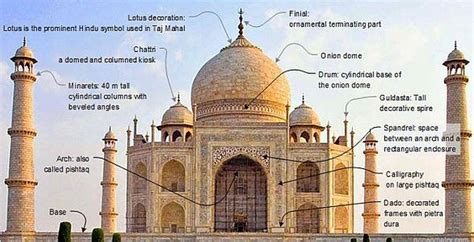
The intricate inlay work, known as pietra dura, involved cutting and fitting precious stones into the marble to create elaborate floral designs. Craftsmen used jade, crystal, turquoise, lapis lazuli, sapphire, and carnelian, among other precious stones, to create these stunning decorative elements that still retain their luster centuries later.
📐 Perfect Symmetry and Optical Illusions
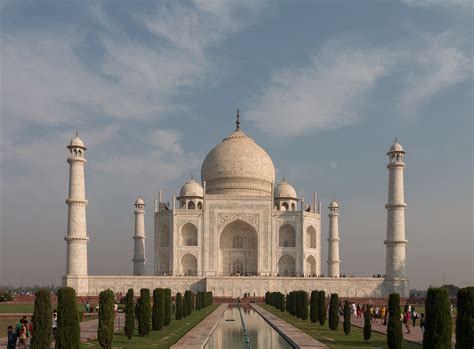
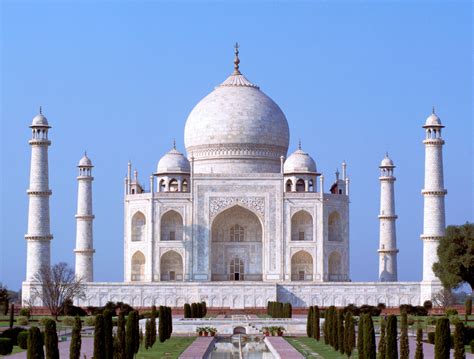
One of the most remarkable aspects of the Taj Mahal’s design is its perfect symmetry. Every element on one side has an identical counterpart on the opposite side, with the central dome and the main gateway serving as the axes of symmetry.
The architects also incorporated several optical illusions into the design. For example, the minarets surrounding the main dome appear to be perfectly upright, but they actually lean slightly outward. This ingenious design feature ensures that if they were to collapse, they would fall away from the main structure rather than damaging it.
🌷 The Gardens and Surroundings
The Taj Mahal is not just about the central mausoleum—it’s a complete complex designed to represent the Islamic concept of paradise on earth. The Charbagh garden, divided into four equal parts by water channels that represent the four rivers of paradise, creates a serene approach to the main structure.
These meticulously maintained gardens enhance the overall aesthetic experience of the Taj Mahal, providing stunning foreground views of the monument while symbolizing spiritual significance in Islamic architecture.
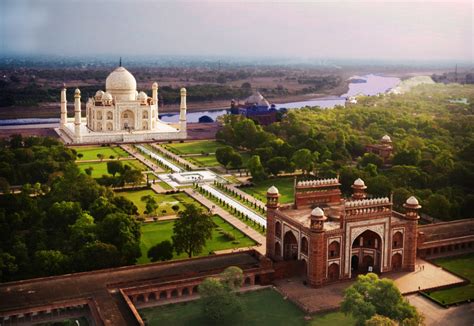
| Garden Elements | Symbolism and Features |
|---|---|
| Layout | Charbagh (four-part) garden pattern |
| Symbolism | Representation of Islamic paradise |
| Water channels | Four rivers of paradise in Islamic tradition |
| Plant species | Cypresses (symbolizing death), fruit trees (symbolizing life) |
| Raised pathways | Division into 16 flower beds |
| Central pool | Reflection of the Taj Mahal |
| Total area | 300 square meters |
🌊 The Reflecting Pools
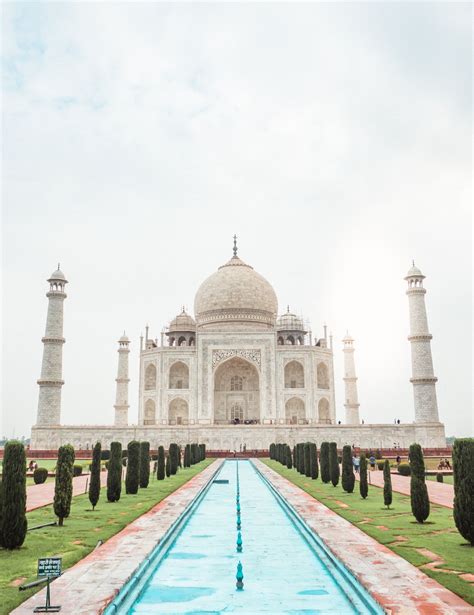
The long reflecting pool that runs through the center of the gardens serves a dual purpose: it provides a practical water source for irrigation while creating breathtaking reflections of the Taj Mahal. These reflections double the visual impact of the monument, particularly at dawn and dusk when the light conditions create magical mirror images on the water’s surface.
The designers carefully calculated the positioning of the pools to maximize this reflective effect. When the water is still, visitors are treated to a perfect reflection that seems to complete the already perfect symmetry of the main structure.
🌳 Symbolic Vegetation and Layout
The plants in the garden were not chosen randomly but selected for their symbolic significance. Cypresses, representing death, stand alongside fruit-bearing trees that symbolize life—a perfect metaphor for the Taj Mahal itself, which represents both the death of Mumtaz Mahal and the eternal life of her soul and memory.
The garden’s quadrilateral layout, with each section further divided into four parts, creates 16 flower beds, each planted with approximately 400 plants. This precise mathematical arrangement reflects the Mughal fascination with numbers and proportions that is evident throughout the entire complex.
🔍 Hidden Secrets and Lesser-Known Facts
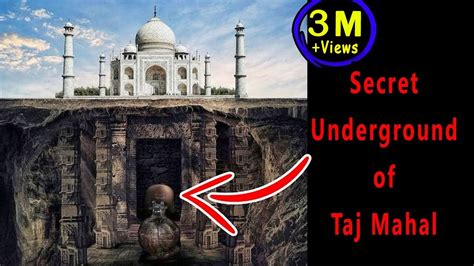
Behind the Taj Mahal’s familiar facade lies a world of fascinating secrets and lesser-known details that many visitors overlook. From acoustic marvels to mysterious sealed chambers, the monument continues to intrigue researchers and historians centuries after its completion.
One of the most persistent mysteries involves the so-called “Black Taj” legend—the story that Shah Jahan planned to build an identical mausoleum in black marble for himself across the river. While archaeological evidence suggests some foundation work was indeed begun on the opposite bank, whether this was intended to be Shah Jahan’s tomb remains debated among historians.
| Intriguing Secrets | Description |
|---|---|
| Optical illusion | The entrance appears closer than it actually is |
| Acoustic properties | Perfect echo throughout the main chamber |
| Sealed rooms | Several chambers permanently sealed for unknown reasons |
| Black Taj legend | Rumored plan for a mirror-image black marble tomb |
| Changing colors | Marble appears to change color throughout the day |
| Hidden inscriptions | Calligraphy increases in size higher up for consistent visual appearance |
| Secret tunnels | Reported underground passages connecting to Agra Fort |
🎵 Acoustic Wonders
The main chamber of the Taj Mahal demonstrates remarkable acoustic properties that couldn’t have been accidental. A single note sung beneath the central dome resonates and repeats up to 28 times, creating an ethereal musical experience. This acoustic perfection was achieved through precise mathematical calculations in the dome’s design.
Whispers from one side of the chamber can be heard clearly on the opposite side due to the perfect curvature of the walls—a phenomenon known as the “whispering gallery” effect. These acoustic features add another dimension to the visitor experience that goes beyond visual beauty.
📜 Calligraphy and Optical Tricks
The Taj Mahal’s white marble surfaces are adorned with exquisite calligraphy featuring verses from the Quran. What’s remarkable is that the calligraphy appears uniform in size when viewed from the ground, but the letters actually increase in size as they go higher up the walls—an optical illusion designed to counter the effect of perspective.
Expert calligraphers created these inscriptions using black marble inlaid into white marble. The master calligrapher, Amanat Khan, was so valued by Shah Jahan that he was the only craftsman allowed to sign his work, and his signature can still be seen on the great gateway.
🌙 The Taj Mahal by Moonlight
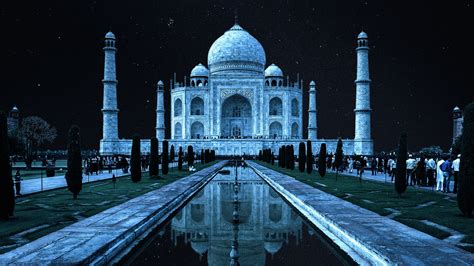
Viewing the Taj Mahal under the silvery glow of a full moon is an entirely different experience from seeing it in daylight. The marble takes on an ethereal, almost ghostly luminescence that has inspired poets and romantics for centuries.
Special night viewing sessions are organized around the full moon, allowing visitors to experience this magical transformation when the monument seems to float against the dark sky like a pearl against black velvet.
| Moonlight Viewing | Details |
|---|---|
| Best time | 2 days before and after full moon |
| Visitor capacity | Limited to 400 people per night |
| Duration | 30 minutes per group |
| Number of shifts | 8 shifts between 8:30 PM and 12:30 AM |
| Photography | Restricted (no flash photography) |
| Ticket prices | Premium compared to daytime visits |
| Advance booking | Required (often months in advance) |
🌠 The Moonlight Effect on Marble
The Makrana marble used in the Taj Mahal has unique properties that make it particularly responsive to moonlight. The marble contains microscopic crystals that seem to absorb, reflect, and refract moonlight in a way that creates a soft, incandescent glow.
Under the full moon, the marble appears to take on a bluish tint that gradually shifts to silver and then ivory as the moon moves across the sky. This natural light show is one of the most enchanting aspects of the monument, creating an atmosphere of otherworldly beauty.
🎭 Legends and Poetry Inspired by Nocturnal Beauty
The Taj Mahal under moonlight has inspired countless poems, stories, and legends. One popular belief holds that Shah Jahan intended the monument to be viewed primarily by moonlight, which is why he chose white marble that would glow in the moon’s rays.
The romantic image of the lovesick emperor gazing at the moonlit tomb of his beloved has been immortalized in literature and art, adding another layer to the already rich mythology surrounding the monument.
🌍 The Taj Mahal’s Global Influence
The Taj Mahal’s influence extends far beyond India’s borders, having inspired architecture, art, literature, and even fashion around the world. Its perfect proportions and elegant design have been studied by architects for centuries, while its romantic backstory has fueled countless creative works.
From the Brighton Pavilion in England to the Trump Taj Mahal casino in Atlantic City (now closed), elements of the Taj Mahal’s design have been incorporated into buildings worldwide, though none have captured the magic of the original.
| Global Inspirations | Location | Year Built |
|---|---|---|
| Victoria Memorial | Kolkata, India | 1921 |
| Bibi Ka Maqbara | Aurangabad, India | 1660 |
| Ibrahim Rauza | Bijapur, India | 1627 |
| Humayun’s Tomb | Delhi, India | 1570 |
| Grace Memorial Park | Chicago, USA | 1977 |
| Taj Mahal Bangladesh | Sonargaon, Bangladesh | 2008 |
| Taj Mahal replica | Dubai, UAE | Proposed |
🎨 The Taj in Popular Culture
The Taj Mahal has appeared in countless films, books, and songs, cementing its status as a global cultural icon. From appearances in Bollywood and Hollywood productions to mentions in songs by artists ranging from classical Indian musicians to contemporary Western pop stars, the monument has permeated popular culture worldwide.
It has served as a backdrop for fashion photoshoots, appeared on countless travel posters, and been recreated in miniature at theme parks around the world. Few architectural works have achieved such widespread recognition or captured the global imagination so thoroughly.
🌐 Tourism and Economic Impact
As India’s most recognized landmark, the Taj Mahal plays a crucial role in the country’s tourism industry. It attracts millions of visitors annually, contributing significantly to the local and national economy through ticket sales, hospitality services, and souvenir purchases.
The monument’s global fame has made Agra a major tourist destination, transforming what would otherwise be a relatively unknown city into an international hub. This economic impact extends beyond tourism to include cultural exchanges, diplomatic relations, and India’s global brand identity.
🛡️ Conservation Challenges and Efforts
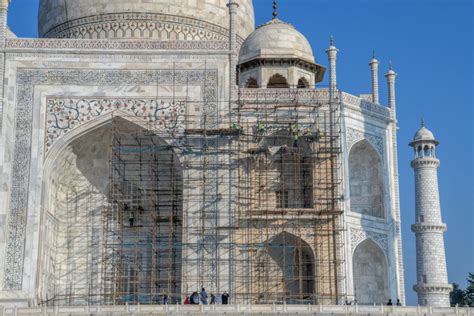
Despite its enduring beauty, the Taj Mahal faces numerous threats to its preservation. Environmental pollution, particularly from nearby industries and vehicle emissions, has caused the marble to yellow and deteriorate over time. Additionally, the sheer number of visitors puts physical stress on the structure and its surroundings.
Extensive conservation efforts are underway to protect this irreplaceable treasure for future generations, including restrictions on industrial activity in the vicinity, specialized cleaning techniques for the marble, and careful monitoring of structural stability.
| Conservation Challenges | Measures Taken |
|---|---|
| Air pollution | Implementation of Taj Trapezium Zone (air pollution control area) |
| Yellowing marble | Mudpack therapy to clean marble surfaces |
| Structural stability | Regular monitoring and maintenance |
| River pollution | Yamuna River cleanup projects |
| Tourism pressure | Visitor number caps and increased entry fees |
| Climate change | Specialized monitoring systems |
| Insect damage | Specially formulated insect repellents for historic materials |
🧪 Innovative Preservation Techniques
Scientists and conservationists have developed specialized techniques to address the Taj Mahal’s unique preservation challenges. One notable method is the “mudpack therapy,” where a layer of clay is applied to the marble to draw out pollutants and stains before being removed.
Advanced technologies such as 3D laser scanning are being employed to create detailed records of the monument’s current condition, allowing for precise monitoring of any changes or deterioration over time. These digital preservation efforts ensure that even if physical damage occurs, detailed records exist for potential restoration.
🌱 Sustainable Tourism Initiatives
Recognizing that tourism itself can threaten the monument, authorities have implemented various measures to promote sustainable visitation. These include timed entry tickets, restricted access to certain areas, and higher fees for foreign tourists to help fund conservation efforts.
Educational programs aim to increase visitor awareness about the importance of preservation and appropriate behavior at the site. These initiatives seek to balance the economic benefits of tourism with the paramount need to protect the Taj Mahal for centuries to come.
📸 Photography Tips for Visitors
Capturing the perfect photograph of the Taj Mahal is on many travelers’ bucket lists, but getting that ideal shot requires planning and knowledge of the best vantage points. Lighting conditions change dramatically throughout the day, creating different moods and highlighting various aspects of the monument.
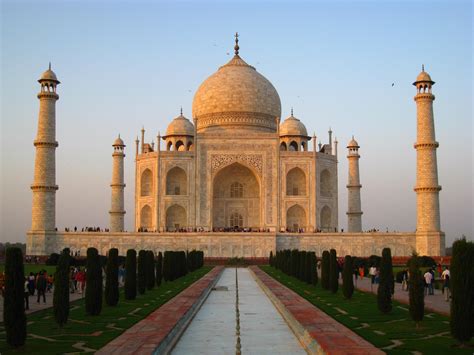
Professional photographers often recommend visiting during the golden hours—shortly after sunrise or before sunset—when the soft, warm light brings out the intricate details of the marble and creates dramatic shadows.
| Best Photo Spots | Optimal Timing | Special Features |
|---|---|---|
| Main entrance gate | Sunrise | Framing through archway |
| Mehtab Bagh (Moonlight Garden) | Sunset | Reflection in Yamuna River |
| Diana Bench | Mid-morning | Classic tourist shot |
| Agra Fort | Afternoon | Distant view with context |
| Rooftop cafes | Golden hour | Unique angles with foreground |
| Garden pathways | Early morning | Fewer crowds |
| From boat on Yamuna | Dawn | Reflection and unique angle |
📱 Best Camera Settings and Equipment
For professional-quality photos, a wide-angle lens helps capture the entirety of the monument and its reflection in the pools, while a telephoto lens allows for detailed shots of the intricate inlay work. A tripod is essential for low-light photography, particularly during dawn, dusk, or night sessions.
The monument’s white marble presents exposure challenges, especially on sunny days. Photographers recommend slightly underexposing shots to preserve detail in the highlights and using polarizing filters to manage reflections and enhance the blue sky contrast against the white marble.
🎬 Beyond Still Photography
In recent years, visitors have embraced new ways to capture the Taj Mahal’s beauty, from time-lapse videos showing the changing light throughout the day to drone photography (though strict regulations apply). Virtual reality technologies are also being used to create immersive experiences that allow people to “visit” the monument remotely.
Social media has transformed how the Taj Mahal is photographed and shared, with Instagram-friendly spots becoming increasingly popular. This has led to both creative new perspectives on the monument and challenges for site management as certain areas become congested with visitors seeking the perfect selfie.
✈️ Practical Visitor Information
Planning a visit to the Taj Mahal requires some preparation to ensure the best experience. The monument is open from sunrise to sunset every day except Friday, when it is closed for prayers (as it contains a functioning mosque). Understanding entry procedures, best times to visit, and local customs can enhance your experience significantly.
Foreign tourists pay a higher entry fee than Indian nationals, but this includes shoe covers (required to protect the marble when entering the main mausoleum), a bottle of water, and often shorter queues at a separate entrance.
| Visitor Information | Details |
|---|---|
| Opening hours | Sunrise to sunset (closed on Fridays) |
| Best visiting time | Sunrise or late afternoon |
| Entry fees | Different for domestic and foreign tourists |
| Peak season | October to March |
| Restricted items | Food, tripods, drones, certain electronics |
| Dress code | Modest dress recommended |
| Time needed | 2-3 hours for a complete experience |
🗺️ Getting to Agra
Agra is well-connected to major Indian cities. The most popular route is from Delhi, approximately 230 kilometers away, with options including the express train (Gatimaan Express takes under 2 hours), luxury buses, or private car hire. Many visitors come as part of the “Golden Triangle” tourist circuit that includes Delhi, Agra, and Jaipur.
For international visitors, the nearest major international airport is in Delhi, though Agra does have a smaller airport with limited domestic connections. Many tour operators offer day trips from Delhi, though staying overnight in Agra allows for early morning visits when crowds are thinner.
🏨 Where to Stay and What Else to See
Agra offers accommodation options ranging from budget hostels to luxury hotels, many of which feature views of the Taj Mahal. While the monument is the city’s main attraction, visitors should also consider exploring Agra Fort, Itimad-ud-Daulah (often called the “Baby Taj”), and Fatehpur Sikri, a nearby abandoned Mughal city.
The local cuisine is another highlight, with specialties including petha (a sweet made from ash gourd) and Mughlai dishes that reflect the city’s royal heritage. Shopping for marble handicrafts, leather goods, and embroidery provides opportunities to take home authentic souvenirs of your visit.
🎭 Cultural Significance in India
The Taj Mahal transcends its status as a tourist attraction to serve as a powerful symbol of India’s rich cultural heritage and historical significance. It represents the pinnacle of Mughal architecture and artistic achievement, showcasing the sophisticated civilization that flourished during that era.
For many Indians, the monument embodies national pride and identity, appearing on currency, in textbooks, and as a constant reference point in cultural discussions. It has been designated as India’s “jewel of Muslim art” and stands as a testament to the country’s diverse religious and cultural traditions.
| Cultural Impact | Manifestations |
|---|---|
| National symbol | Featured on tourism campaigns, currency notes |
| Artistic inspiration | Depicted in countless paintings, songs, poems |
| Religious significance | Contains active mosque and symbolism |
| Educational value | Studied as architectural and historical milestone |
| Pride factor | Source of national prestige and identity |
| Economic symbol | Major tourism revenue generator |
| Diplomatic tool | Visited by foreign dignitaries as key landmark |
🎨 Artistic and Literary Inspirations
The Taj Mahal has inspired countless works of art, poetry, and literature throughout the centuries. From the verses of Rabindranath Tagore to contemporary Bollywood songs, creative artists have attempted to capture its beauty and emotional resonance.
Nobel laureate Tagore described it as “a tear on the cheek of time,” while countless poets have used it as a metaphor for perfect beauty, eternal love, and artistic achievement. This rich literary tradition adds another layer of meaning to the monument, enriching visitors’ experiences with cultural context.
🧠 Educational Value and Historical Context
Beyond its aesthetic appeal, the Taj Mahal serves as an educational resource that provides insights into Mughal history, Islamic art and architecture, and the cultural exchanges that shaped medieval India. School children across India learn about the monument as part of their curriculum, often visiting as part of educational field trips.
The monument offers a tangible connection to history, allowing visitors to literally walk in the footsteps of emperors and experience the grandeur of a bygone era. This immersive historical experience makes abstract concepts of the past concrete and accessible.
🌟 Conclusion: The Eternal Appeal of the Taj Mahal
After exploring the many facets of the Taj Mahal—from its romantic origins to its architectural brilliance, from its cultural significance to its global influence—it’s clear why this monument continues to captivate visitors centuries after its creation. The Taj Mahal stands not just as a tomb or a building but as a testament to human creativity, devotion, and our capacity to create beauty that transcends time.
Whether you’re planning your first visit or simply appreciating its splendor from afar, the Taj Mahal reminds us of the extraordinary achievements possible when artistic vision, technical skill, and profound emotion combine. In an ever-changing world, its enduring beauty offers a reassuring constancy—a masterpiece that continues to inspire awe and wonder across generations and cultures.
We hope you’ve enjoyed this journey through the history, architecture, and significance of the Taj Mahal! If you found this article interesting, be sure to check out our other explorations of world heritage sites, architectural wonders, and historical love stories.
Related Keywords: Mughal architecture, UNESCO World Heritage Sites India, Shah Jahan history, Agra tourist attractions, Seven Wonders of the World
Reference: Taj Mahal – UNESCO World Heritage Centre