

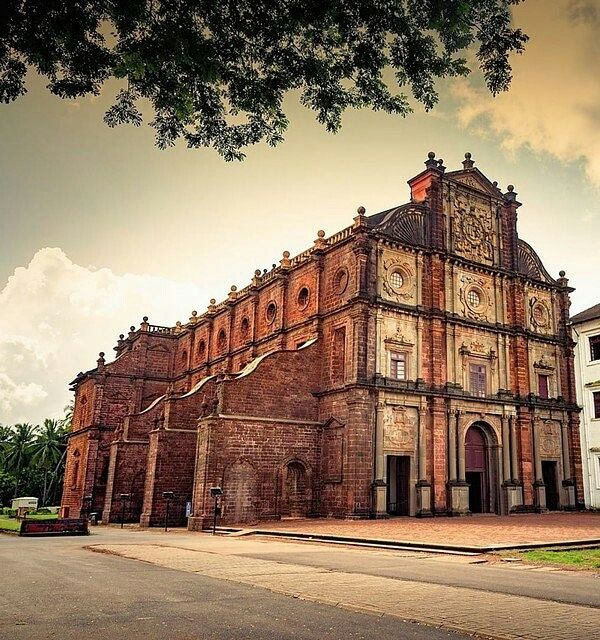
The Churches and Convents of Goa are more than places to pray. They are living museums of art, culture, and faith.
Fresh N Easy
🏛️ Churches and Convents of Goa: Exploring Sacred Portuguese Heritage 🙏
🌟 Introduction to Goa’s Sacred Heritage
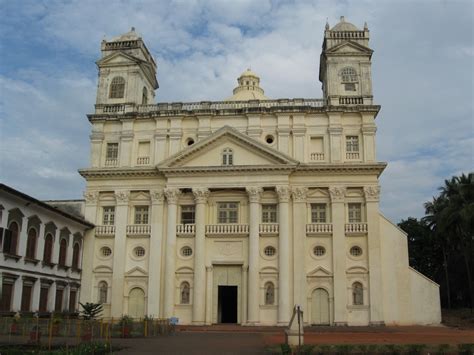
Hello there, Goa Heritage Lovers! Welcome to our comprehensive guide to the magnificent Churches and Convents of Goa. These stunning examples of religious architecture stand as proud testimonies to Goa’s rich Portuguese colonial past and continue to mesmerize visitors from around the world. The Churches and Convents of Goa represent not just places of worship but are living museums of art, culture, and faith.
When you wander through these sacred spaces, you’re walking through pages of history written in stone and mortar. The Churches and Convents of Goa showcase a unique blend of European and Indian aesthetics, creating an architectural style that’s distinctly Goan. From the grandeur of Sé Cathedral to the solemnity of Basilica of Bom Jesus, each structure tells a story of religious devotion, artistic excellence, and cultural exchange that occurred during the Portuguese era in this coastal paradise of India.
| Name of Church/Convent | Year Built | Architectural Style | UNESCO Status | Key Feature |
|---|---|---|---|---|
| Basilica of Bom Jesus | 1605 | Baroque | Listed | Houses remains of St. Francis Xavier |
| Sé Cathedral | 1619 | Portuguese-Gothic | Listed | Largest church in Goa |
| Church of St. Francis of Assisi | 1661 | Baroque with Corinthian features | Listed | Adjacent to archaeological museum |
| Ruins of St. Augustine Tower | 1602 | Augustine | Listed | Only tower remains of once massive complex |
| Church of St. Cajetan | 1661 | Corinthian | Listed | Modeled after St. Peter’s Basilica in Rome |
📜 History of Churches and Convents of Goa
The story of the Churches and Convents of Goa begins in the early 16th century when the Portuguese, led by Alfonso de Albuquerque, conquered Goa in 1510. As they established their colony, they brought with them their religion, culture, and architectural traditions. The Portuguese were determined to make Goa the “Rome of the East,” and they embarked on an ambitious building program of churches and convents that would rival those in Europe.
The construction of these magnificent structures was not just a religious endeavor but also a political statement, symbolizing Portuguese power and the spread of Christianity in the East. The Churches and Convents of Goa were built using local materials but followed European architectural styles, primarily Baroque, Gothic, and Renaissance. Many talented Indian craftsmen worked alongside Portuguese architects, resulting in a fascinating fusion of Eastern and Western artistic elements that can be observed in the intricate carvings, altars, and decorative elements.
| Period | Number of Churches Built | Key Religious Orders | Conversion Statistics | Notable Architects |
|---|---|---|---|---|
| 1510-1550 | 12 | Jesuits, Franciscans | ~50,000 converts | Domingo Fernandes |
| 1551-1600 | 27 | Augustinians, Dominicans | ~100,000 converts | Júlio Simão |
| 1601-1650 | 35 | Carmelites, Oratorians | ~150,000 converts | Francisco do Rego |
| 1651-1700 | 19 | Theatines, Hospitallers | ~80,000 converts | Giovanni Battista Primoli |
| Post-1700 | 8 | Secular clergy | Maintenance focus | Various local architects |
⛪ Basilica of Bom Jesus
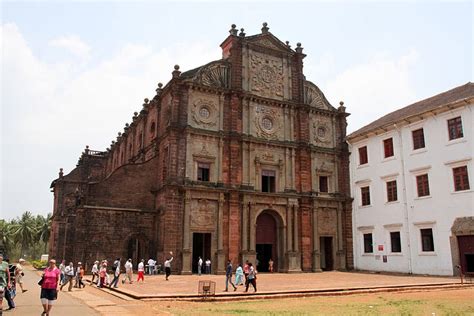
The crown jewel among the Churches and Convents of Goa is undoubtedly the Basilica of Bom Jesus, which translates to “Good Jesus” or “Infant Jesus.” Built between 1594 and 1605, this magnificent church represents one of the best examples of Baroque architecture in India. What makes this church particularly significant is that it houses the mortal remains of St. Francis Xavier, the renowned missionary who is revered as the patron saint of Goa.
The exterior of the Basilica presents an impressive façade made of laterite stone, which has been left exposed rather than plastered, giving it a distinctive reddish-brown appearance that stands out among other Churches and Convents of Goa. Inside, visitors are treated to an ornate interior with gilded altars, intricate wood carvings, and beautiful paintings depicting scenes from the life of St. Francis Xavier. The saint’s body is kept in a glass-sided silver casket, which is raised to public view during the feast of St. Francis Xavier, drawing thousands of pilgrims from around the world.
| Feature | Description | Material Used | Artistic Style | Restoration Year |
|---|---|---|---|---|
| Façade | Three-story exterior | Laterite stone | Baroque | 1980s |
| Main Altar | Gilded with biblical scenes | Teak wood, gold leaf | Baroque | 2010 |
| Xavier’s Tomb | Silver casket | Silver, crystal | Renaissance | 1953 |
| Floor | Marble inlay work | Italian marble | Florentine | 1995 |
| Ceiling | Wooden panels with designs | Burmese teak | Portuguese-Indian | 2005 |
🏛️ Sé Cathedral
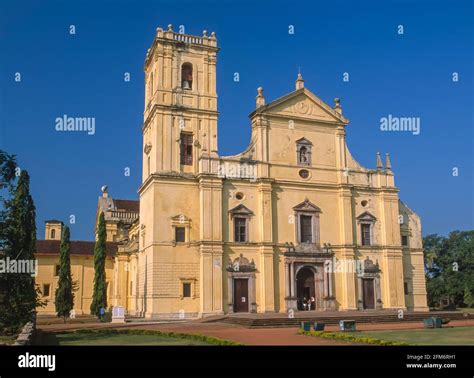
Standing majestically in Old Goa is the Sé Cathedral, one of the largest churches in Asia and certainly the most imposing among the Churches and Convents of Goa. Dedicated to St. Catherine of Alexandria, the cathedral was built to commemorate the victory of the Portuguese over a Muslim army, which resulted in the capture of the city of Goa. Construction began in 1562 and was completed in 1619, spanning over five decades.
The Sé Cathedral features Portuguese-Gothic architecture with Tuscan exteriors and Corinthian interiors. Its most striking feature is perhaps the Golden Bell, known as the “Bell of the Inquisition,” which is said to be one of the largest and best in the world. The interior of the cathedral is simple yet impressive, with several chapels, a main altar dedicated to St. Catherine, and numerous old paintings. The grandeur of this cathedral exemplifies why the Churches and Convents of Goa have earned their place on the UNESCO World Heritage list.
| Feature | Dimension | Style | Material | Historical Significance |
|---|---|---|---|---|
| Golden Bell | 5 tons weight | Portuguese | Bell metal | Largest in Goa, known as “Bell of Inquisition” |
| Main Nave | 250 ft length | Gothic | Stone masonry | Longest church nave in Goa |
| Altars | 14 side altars | Baroque | Gold-plated wood | Represent 14 stations of the cross |
| Baptismal Font | 5 ft diameter | Renaissance | Single stone block | Used for conversions during Portuguese rule |
| Cross Museum | 800 sq ft area | Mixed | Various | Houses crosses from demolished churches |
🕍 Church of St. Francis of Assisi
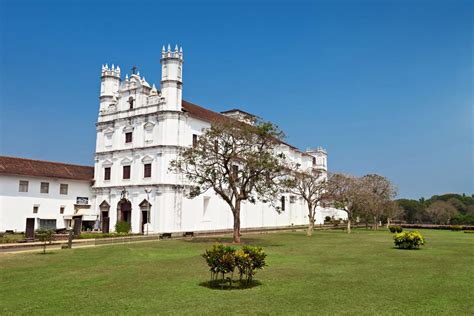
Adjacent to the Sé Cathedral is the Church of St. Francis of Assisi, another remarkable example of the Churches and Convents of Goa. Originally built in 1521, the church was rebuilt in its present form in 1661. The church was initially constructed by eight Franciscan friars who arrived in Goa in 1517 and dedicated it to the Holy Ghost. Later, it was rededicated to St. Francis of Assisi.
The church features a blend of styles, with the exterior exhibiting Manueline design (Portuguese late Gothic), while the interior is decorated in Baroque style with Corinthian influences. The entrance portal is particularly noteworthy, adorned with intricate floral designs and the coat of arms of the Franciscan order. Inside, visitors can admire the beautiful wooden reredos and paintings depicting scenes from the life of St. Francis of Assisi. The adjacent convent now houses the Archaeological Museum, which displays various artifacts from Goa’s colonial past, making it an important cultural landmark among the Churches and Convents of Goa.
| Feature | Artist/Creator | Period | Restoration Status | Visitor Access |
|---|---|---|---|---|
| Main Portal | Unknown Portuguese | 1521 | Excellent | Full access |
| Wooden Panels | Goan artisans | 17th century | Good | Viewing only |
| Choir | Franciscan design | 1660s | Needs restoration | Limited access |
| Convent Section | Various | 16th-17th century | Converted to museum | Museum hours |
| Wall Paintings | Indo-Portuguese | 1600-1700 | Partially faded | Full viewing |
🏛️ Ruins of St. Augustine Tower
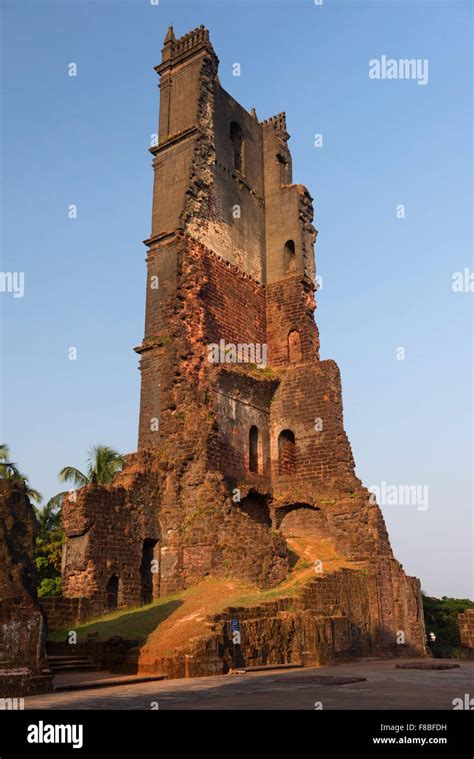
Among the Churches and Convents of Goa, the Ruins of St. Augustine Tower stand as a poignant reminder of the grandeur that once was. The Church of St. Augustine was built in 1602 by Augustinian friars who arrived in Goa in 1587. It was once one of the largest and most impressive religious structures in Goa, comparable in size and splendor to the Sé Cathedral.
Today, all that remains of this once-magnificent church is a 46-meter-high tower, part of the facade, and some sections of the walls. The rest of the structure collapsed in stages during the 19th century after the Portuguese expelled religious orders from Goa and the church was abandoned. Despite its ruined state, the tower continues to be an iconic landmark and a must-visit site for those exploring the Churches and Convents of Goa. The ruins have a haunting beauty, especially at sunset, and they provide a stark contrast to the well-preserved churches nearby, offering visitors a different perspective on Goa’s religious heritage.
| Feature | Original Dimension | Current State | Material | Historical Event |
|---|---|---|---|---|
| Main Tower | 46 meters height | Partially standing | Laterite blocks | Collapsed partially in 1842 |
| Bell | 2 meters diameter | Relocated to Our Lady of Immaculate Conception | Bronze | Moved in 1871 |
| Convent Area | 10,000 sq meters | Excavated ruins | Stone and mortar | Abandoned after 1835 |
| Chapels | 8 side chapels | Foundation only | Laterite | Completely collapsed by 1938 |
| Monastery | 3 stories | Archaeological remains | Mixed materials | Used in other constructions |
⛪ Church of St. Cajetan
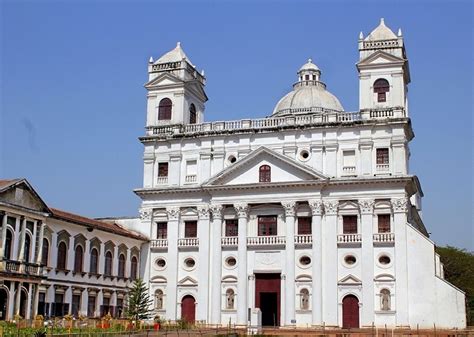
The Church of St. Cajetan, modeled after St. Peter’s Basilica in Rome, is one of the most architecturally sophisticated among the Churches and Convents of Goa. Built by Italian friars of the Theatine order, the church was completed in 1661 and is dedicated to Our Lady of Divine Providence. The Theatines arrived in Goa in 1640 with the aim of preaching Christianity in the Golconda region.
The church’s facade features Corinthian columns and is designed in the form of a Greek cross with a massive dome at the crossing. The interior is adorned with beautifully carved altars and exquisite statues. Beneath the church is a vault where the remains of the governors of Portuguese India were kept before being shipped back to Portugal. The Church of St. Cajetan stands as a testament to the Italian influence on the Churches and Convents of Goa and represents a variation from the predominantly Portuguese architectural styles seen in other churches.
| Feature | Inspiration | Dimension | Unique Element | Condition |
|---|---|---|---|---|
| Dome | St. Peter’s Basilica | 20 meters height | Octagonal drum | Well-preserved |
| Corinthian Columns | Roman architecture | 12 meters height | Fluted design | Some weathering |
| Underground Crypt | Catacombs of Rome | 15 meters length | Burial chambers | Limited access |
| Altars | Italian Baroque | 7 ornate altars | Gold leaf work | Excellent |
| Façade | Neoclassical | 30 meters width | Greek cross plan | Restored in 2000s |
👑 Our Lady of the Immaculate Conception Church
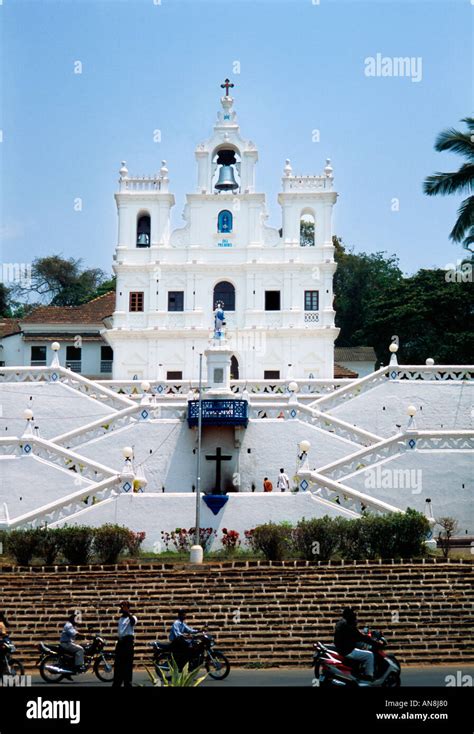
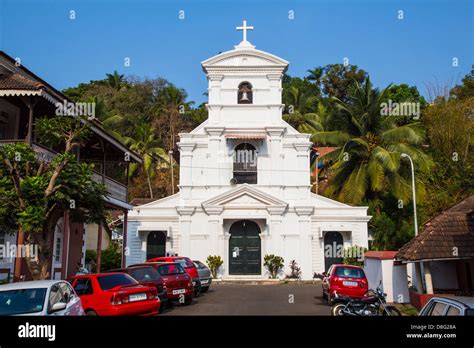
Located in Panaji, the capital city of Goa, the Church of Our Lady of the Immaculate Conception stands apart from other Churches and Convents of Goa both in its location and distinctive style. Built in 1541 on a hillside, the church was originally a simple chapel that served as a reference point for sailors entering the Mandovi River. It was later expanded to its current form in 1619.
The church is approached by a symmetrical zigzag stairway, which is a prominent feature of its design. The exterior is painted in pristine white, making it a striking landmark in Panaji’s cityscape. The interior is relatively simple compared to other Churches and Convents of Goa, but it houses a historic bell that was originally in the Augustinian Tower. This bell, the second-largest in Goa, was moved here after the collapse of the Augustinian complex. The church becomes particularly vibrant during the annual feast of Our Lady of the Immaculate Conception on December 8, when it is beautifully decorated and draws large crowds.
| Feature | Year Added | Style | Special Event | Visitor Information |
|---|---|---|---|---|
| Zigzag Stairway | 1870 | Portuguese Colonial | Illuminated during feast | 28 steps in total |
| Bell Tower | 1871 | Mixed | Houses St. Augustine’s bell | Viewable from city center |
| Main Altar | 1619 | Baroque | Daily mass focal point | Photography restricted |
| Chapel of St. Francis Xavier | 1820 | Neo-Gothic | Special veneration in December | Right side of nave |
| Outer Courtyard | 1541 | Open plaza | Christmas midnight mass | Can accommodate 2,000 people |
🛠️ Preservation Efforts and Challenges
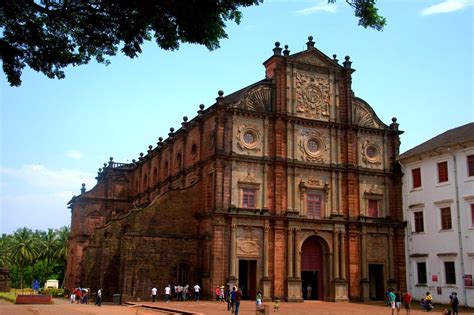
The Churches and Convents of Goa face numerous conservation challenges due to their age, the tropical climate, and increasing tourist footfall. The Archaeological Survey of India (ASI), along with the state government of Goa and various international organizations, has been working tirelessly to preserve these historic structures for future generations. Since their inscription on the UNESCO World Heritage list in 1986, there has been increased focus on scientific conservation methods.
One of the major challenges in preserving the Churches and Convents of Goa is the impact of monsoon rains, which lead to water seepage and growth of vegetation on the structures. Additionally, the laterite stone used in many of these buildings is prone to deterioration when exposed to air pollution and humidity. Conservation experts have implemented various measures, including chemical treatments, structural reinforcements, and drainage improvements. Despite these efforts, balancing authentic preservation with modern conservation techniques remains a delicate task, requiring ongoing commitment and resources to ensure that these magnificent Churches and Convents of Goa continue to stand tall for centuries to come.
| Challenge | Solution Implemented | Agency Involved | Budget (USD) | Success Rate |
|---|---|---|---|---|
| Monsoon Damage | Improved drainage systems | ASI & UNESCO | 1.2 million | 75% effective |
| Laterite Deterioration | Chemical preservation | INTACH | 800,000 | 85% effective |
| Termite Infestation | Wood treatment | State Heritage Department | 350,000 | 90% effective |
| Air Pollution | Protective coatings | World Monuments Fund | 500,000 | 60% effective |
| Tourism Pressure | Visitor management systems | Goa Tourism Board | 250,000 | 70% effective |
🏗️ Architectural Features of Goan Churches
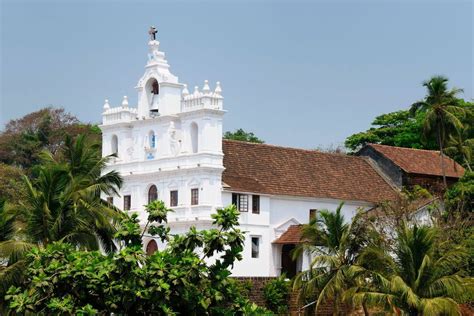
The Churches and Convents of Goa showcase a unique architectural style that combines elements from different European traditions with local influences, creating what is often referred to as the “Goan Baroque” style. This distinctive blend resulted from the adaptation of European designs to local conditions, materials, and craftsmanship over several centuries of Portuguese rule.
Key architectural features common to many Churches and Convents of Goa include massive facades, often with Corinthian or Doric columns, bell towers, ornate altars covered in gold leaf, intricate woodcarvings, and extensive use of laterite stone, which was locally available. The churches typically follow a cruciform plan with a nave, transept, and sanctuary. The interiors are adorned with retablos (ornate altarpieces), pulpits, and choir stalls, all showcasing exquisite craftsmanship. The amalgamation of Portuguese, Italian, Moorish, and Indian artistic elements in these structures creates a visual feast that distinguishes the Churches and Convents of Goa from religious buildings elsewhere in the world.
| Architectural Element | European Origin | Local Adaptation | Example Church | Unique Characteristic |
|---|---|---|---|---|
| Façade Design | Portuguese Manueline | Use of laterite | Basilica of Bom Jesus | Exposed stone work |
| Bell Towers | Italian Campanile | Adaptation to monsoon | Sé Cathedral | Reinforced bases |
| Altarpieces | Baroque retablos | Indian motifs incorporation | St. Francis of Assisi | Lotus and peacock designs |
| Ceiling Work | Gothic vaulting | Flat wooden ceilings | Church of St. Cajetan | Painted religious scenes |
| Floor Plans | Roman basilica layout | Wider spaces for ventilation | Most Goan churches | Extended transepts |
🎭 Cultural Significance and Festivals
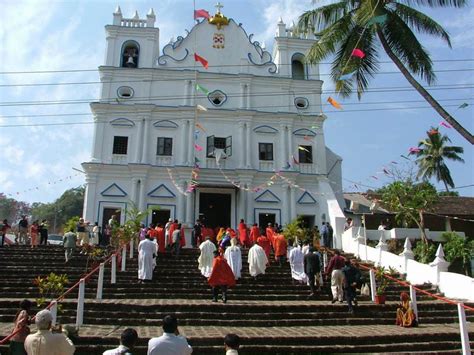
The Churches and Convents of Goa are not merely architectural marvels but also vibrant centers of cultural and religious activities. They continue to be active places of worship and serve as focal points for the Catholic community in Goa. Throughout the year, these sacred spaces come alive with various festivals, feasts, and celebrations that showcase the rich cultural heritage of Goan Catholicism.
The most significant celebration associated with the Churches and Convents of Goa is the Feast of St. Francis Xavier, held every December 3rd at the Basilica of Bom Jesus. Every ten years, the saint’s body is displayed for public veneration in an event known as the “Exposition,” which attracts pilgrims from across the world. Other important celebrations include Christmas, Easter, and the feast days of patron saints of individual churches. These events feature traditional Goan music, including mandos and dulpods, processional dances, elaborate decorations, and festive foods, creating a unique blend of Portuguese and Indian cultural elements that defines the distinctive Indo-Portuguese cultural identity of Goa.
| Festival | Church | Date | Attendance | Cultural Elements |
|---|---|---|---|---|
| Feast of St. Francis Xavier | Basilica of Bom Jesus | December 3 | ~100,000 people | Novenas, processions, cultural performances |
| Feast of St. Catherine | Sé Cathedral | November 25 | ~50,000 people | Traditional music, food stalls, religious ceremonies |
| Christmas Midnight Mass | Church of Our Lady of Immaculate Conception | December 24-25 | ~25,000 people | Carol singing, star lanterns, crib competitions |
| Holy Week Processions | Various churches | March/April | ~80,000 people | Passion plays, sacred music, traditional floats |
| Exposition of St. Francis Xavier | Basilica of Bom Jesus | Every 10 years | ~500,000 people | International pilgrimage, special vestments, grand ceremonies |
✈️ Tourism and Visitor Information
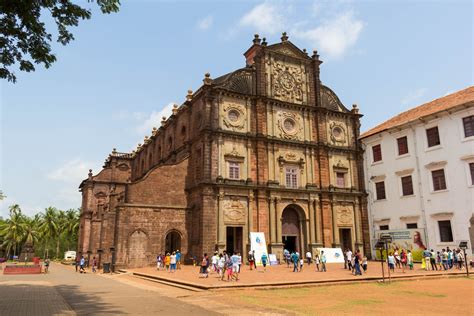
The Churches and Convents of Goa have become major tourist attractions, drawing visitors from across India and around the world. These magnificent structures offer a glimpse into Goa’s colonial past and showcase the unique cultural and religious heritage of the region. For those planning to visit these historic sites, there are several practical considerations to keep in mind.
Most of the major Churches and Convents of Goa are located in Old Goa, about 10 kilometers from the capital city of Panaji. They are generally open to visitors from 9:00 AM to 5:30 PM, though times may vary depending on religious services. While entry is free for most churches, visitors are expected to dress modestly, covering shoulders and knees as a sign of respect. Photography is permitted in most areas, though it may be restricted during services or in certain sections. The best time to visit the Churches and Convents of Goa is during the winter months, from November to February, when the weather is pleasant. Guided tours are available and highly recommended for a more informative experience, as they provide insights into the historical and architectural significance of these remarkable structures.
| Church | Visiting Hours | Entry Fee | Photography Rules | Best Time to Visit | Special Access |
|---|---|---|---|---|---|
| Basilica of Bom Jesus | 9 AM – 6:30 PM | Free | Allowed with restrictions | November-February | Silver casket viewing by appointment |
| Sé Cathedral | 7:30 AM – 6 PM | Free | Allowed except during mass | Early morning for light | Bell tower by special permission |
| St. Francis of Assisi | 9 AM – 5:30 PM | Free | Allowed | Post-restoration (2023) | Museum requires separate ticket |
| St. Augustine Tower | 9 AM – 5 PM | Free | Unrestricted | Sunset for photographs | Archaeological area with guide only |
| Church of St. Cajetan | 9 AM – 5:30 PM | Free | Allowed with restrictions | December-January | Crypt by special permission |
📸 Photography Tips for Church Visits
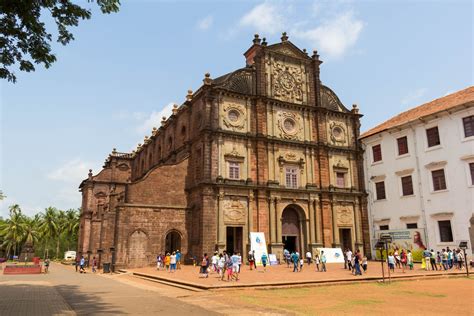
The Churches and Convents of Goa offer countless photographic opportunities, from sweeping exteriors to intricate details of altars and artifacts. Capturing the beauty of these historic structures can be challenging due to lighting conditions and architectural complexities. Here are some insights for photography enthusiasts visiting these magnificent sites.
For exterior shots of the Churches and Convents of Goa, early morning or late afternoon provides the best light, with the golden hour casting a warm glow on the facades. Wide-angle lenses are essential for capturing the grandeur of the buildings, while a telephoto lens helps isolate architectural details. Inside the churches, where flash photography is often prohibited, a tripod and camera with good low-light performance are valuable. Look for unique perspectives, such as shooting through archways or focusing on the play of light through stained glass windows. Don’t forget to capture the human element – worshippers, priests, or visitors can add scale and life to architectural shots. Finally, take your time to observe and appreciate the details, as the Churches and Convents of Goa reveal their beauty gradually to the patient observer.
| Photography Element | Recommended Equipment | Best Time | Technique | Example Subject |
|---|---|---|---|---|
| Exterior Facades | Wide-angle lens (16-35mm) | Golden hour (4-6 PM) | HDR bracketing | Bom Jesus façade |
| Interior Altars | Fast lens (f/1.8-2.8) | Mid-morning light | Long exposure with tripod | Gold altarpieces |
| Architectural Details | Macro or telephoto lens | Consistent lighting | Focus stacking | Stone carvings |
| Stained Glass | Standard zoom lens | Direct sunlight | Silhouette technique | Sé Cathedral windows |
| People & Scale | Portrait lens (85mm) | During festivals | Environmental portraiture | Worshippers at prayer |
🌴 Nearby Attractions in Old Goa

While the Churches and Convents of Goa are the main draw of Old Goa, there are several other attractions worth exploring in the vicinity. These complementary sites enhance the visitor’s understanding of Goa’s rich cultural and historical tapestry and make for a more comprehensive experience of this UNESCO World Heritage area.
Just a short walk from the main Churches and Convents of Goa is the Archaeological Museum, housed in the former Convent of St. Francis of Assisi. The museum displays artifacts from Goa’s Hindu and Portuguese colonial periods, including sculptures, portraits, and coins. Another notable site is the Viceroy’s Arch, a structure erected in 1599 to commemorate Vasco da Gama’s arrival in India. The Holy Hill, with its panoramic views of Old Goa and the Mandovi River, offers excellent photo opportunities. For those interested in Hindu heritage, the nearby Shanta Durga Temple showcases the religious diversity of Goa. After a day of exploring the Churches and Convents of Goa and surrounding attractions, visitors can relax at one of the riverside restaurants offering delicious Goan cuisine, completing their cultural immersion in this historic region.
| Attraction | Distance from Churches | Historical Period | Entry Fee (INR) | Time Required |
|---|---|---|---|---|
| Archaeological Museum | Adjacent to St. Francis | Portuguese Colonial | 25 | 1-2 hours |
| Viceroy’s Arch | 500 meters | 16th century | Free | 15-30 minutes |
| Holy Hill (Monte Santo) | 1 kilometer | Various periods | Free | 1 hour |
| Shanta Durga Temple | 12 kilometers | 18th century (rebuilt) | Free | 1 hour |
| Mandovi River Cruise | 2 kilometers | Contemporary | 300-500 | 1 hour |
🔚 Conclusion and Final Thoughts
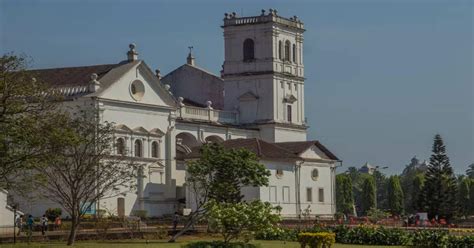
The Churches and Convents of Goa stand as magnificent testaments to a unique chapter in Indian history, where East met West in a cultural and religious exchange that produced architectural marvels that continue to inspire awe and reverence. These sacred spaces not only serve as places of worship but also as repositories of art, history, and cultural heritage that define Goa’s distinct identity.
As you explore the Churches and Convents of Goa, you embark on a journey through time, witnessing the legacy of Portuguese colonialism and the resilience of local traditions that merged to create something truly exceptional. Whether you’re a history enthusiast, architecture lover, spiritual seeker, or casual tourist, these churches and convents offer something meaningful to every visitor. We hope this comprehensive guide has inspired you to experience the magic of these UNESCO World Heritage sites firsthand and to appreciate the stories embedded in their ancient stones. For more insights into Indian heritage sites, be sure to check out our other articles on historical monuments across the country.
| Must-See Churches | Best For | Unique Feature | Visitor Rating | Conservation Status |
|---|---|---|---|---|
| Basilica of Bom Jesus | Religious pilgrimage | St. Francis Xavier’s remains | 4.8/5 | Active conservation |
| Sé Cathedral | Architectural grandeur | Golden Bell | 4.7/5 | Well-maintained |
| Church of St. Francis of Assisi | Art appreciation | Wood carvings and paintings | 4.6/5 | Recently restored |
| Our Lady of Immaculate Conception | Photography | Symmetric staircase | 4.5/5 | Excellent condition |
| St. Augustine Tower | Historical reflection | Ruins photography | 4.3/5 | Stabilized remains |
For more information about the historical significance of these structures, visit the UNESCO World Heritage Centre website.
Related Keywords: Goa church architecture, Portuguese colonial buildings, UNESCO heritage sites India, St Francis Xavier Goa, Old Goa tourism



Метод УВТ является современный способ воздействия, основанный на использовании акустических импульсов.
Данная процедура активизирует микроциркуляцию и ускоряет механизмы регенерации тканей.
УВТ часто применяется для купирования патологий опорно-двигательного аппарата – в частности, при воспалении сухожилий и пяточной шпоре.
https://novogireevo-klinika.ru/
Ключевые плюсы способа – это неинвазивность, относительная терпимость и высокая эффективность уже после нескольких сеансов.
Обычно сеанс занимает около 10–20 минут и выполняется амбулаторно без госпитализации.
В итоге пациенты наблюдают значительное снижение болей и восстановление свободы движений в проблемной зоне.
Варикозное расширение вен прямой кишки нуждается в незамедлительного терапии, поскольку прогрессирующий процесс приводит к осложнениям.
Без адекватной помощи признаки нарастают: дискомфорт, зуд и выделения становятся невыносимыми.
Патология может спровоцировать тромбоз вен, малокровие и даже воспаление близлежащих тканей.
хирург проктолог
Лечение на начальных этапах даёт возможность применять малоинвазивные способы, минуя операционного вмешательства.
Современные препараты и процедуры гарантируют скоростной результат и незначительный болевых ощущений для больного.
Своевременное посещение к проктологу помогает нормализовать уровень повседневного существования и предотвратить тяжёлых последствий.
Геморрой — это повсеместная патология, требующая своевременного лечения.
Отсутствие симптомов или отсрочка визита к врачу может привести опасными последствиями, такими как кровотечение.
Современная медицина предлагает разнообразные методы коррекции: от щадящих вмешательств до медикаментозной поддержки.
что такое анальный свищ
Своевременная помощь позволяет эффективно купировать дискомфортные ощущения и восстановить качество жизни.
В случае возникновении начальных симптомов (зуд, жжение, следы крови) важно немедленно записаться к проктологу для диагностики.
Правильное воздействие не лишь освобождает от физического страданий, но и предотвращает прогрессированию заболевания и потребности в хирургическом вмешательстве.
Почва активно применяется в сельском секторе для производства культур.
В парниках земля служит основой для зеленных растений.
В открытом грунте почва используется для посева зерновых и промышленных растений.
торф домодедово
Грунтовые смеси требуются для создания лужаек и садового дизайна.
В дендрариях земля выполняет ключевую роль при производстве посадочного материала.
Также почва применяется для восстановления нарушенных территорий.
Сюрвей осадки — это метод расчёта осадки судна для вычисления массы перевозимого товара.
Этот принцип базируется на физический закон вытеснения и служит для расчёта количества груза по разности осадки.
Измерение выполняется до и по окончании загрузки или разгрузки, чтобы зафиксировать фактическое количество перемещённого товара.
https://eurogal-surveys.ru/
Процедура включает записи значений осадки в нескольких точках и внесения поправок на удельный вес воды.
Драфт сюрвей активно используется в морской торговле для коммерческих сверок и инспекций.
Данная процедура является независимым инструментом проверки веса товаров, одобренным международными соглашениями.
Лекарство Оземпик является современным лекарством для терапии сахарного диабета второго типа.
Указанный агент используется инъекционно раз в неделю благодаря эргономичной шприц-ручки.
Центральное действие Оземпика — стимулировать рецепторы, вызывая снижение уровня сахара в плазме.
Tirz.pro
Помимо регуляции сахара, препарат способствует постепенному снижению веса.
Применение Оземпика обязан назначаться только специалистом с учётом всех противопоказаний.
При терапии могут встречаться нежелательные явления, например тошнота или нарушение стула, которые обычно исчезают со второй-третьей неделей.
Ответственная игра — это комплекс принципов, направленных на защиту эмоционального и финансового равновесия игрока.
Главная мысль состоит в том, что процесс должна рассматриваться исключительно как развлечение, а не как метод заработка.
Игроку следует предварительно устанавливать ограничения по длительности и деньгам и неукоснительно их придерживаться.
https://zhkhtv.ru/read-full/1420-kak-vybrat-onlayn-slot-s-optimalnym-sootnosheniem-rtp-i-volatilnosti.html
Необходимо уметь замечать первые симптомы проблемного поведения, такие как погоня за проигрышем и игнорирование обязанностями.
Операторы обязаны предлагать функции ограничения: паузы, ограничения пополнений и блокировку аккаунта.
Соблюдение этих рекомендаций даёт возможность удержать азарт в безопасных границах, не причиняя ущерба своей психике и близким.
Ответственная игра — это совокупность правил, направленных на защиту психологического и финансового равновесия участника.
Ключевая идея заключается в том, что процесс должна восприниматься исключительно как развлечение, а не как способ обогащения.
Игроку следует предварительно определять лимиты по длительности и деньгам и строго их соблюдать.
https://ivecodom.ru/home/istoriya-sozdaniya-onlayn-kazino-sweet-ot-idei-do-globalnogo-brenda-163/
Необходимо уметь замечать первые признаки проблемного поведения, такие как погоня за проигрышем и игнорирование обязанностями.
Операторы должны предлагать функции ограничения: тайм-ауты, депозитные лимиты и возможность самоисключения.
Соблюдение данных правил даёт возможность сохранить азарт в комфортных границах, не причиняя ущерба себе и близким.
Осознанный гемблинг — это подход к азартным сессиям, базирующийся на контроле и осознании последствий.
Эта концепция подразумевает осознанное ограничение времени и расходов на игру.
Любой участник обязан заранее определять пределы ставок и строго их соблюдать.
https://class-m.ru/article/846-evolyutsiya-onlayn-slotov-ot-klassicheskikh-fruktovykh-mashin-do-sovremennykh-videoslotov-s-3d-grafikoy.html
Маркерами проблемной игры служат попытки вернуть проигранное и пренебрежение повседневными делами.
Здоровый гемблинг учит воспринимать к казино как к развлечению, а не источнику дохода.
Соблюдение этих принципов гарантирует эмоциональное благополучие и денежную безопасность игрока.
Осознанное участие в играх — это набор принципов, ориентированных на сохранение баланса над своими действиями.
Её главная суть заключается в добровольном лимитировании длительности и финансовых затрат на сессии.
Игроку важно заранее определить максимальную сумму и строго придерживаться этого порога.
https://billiard-house.ru/blog/2205-geym-dizayn-slotov-kak-sozdayutsya-syuzhetnye-linii-i-animatsii.html
Сайты должны предоставлять инструменты проверки: тайм-ауты, ограничения пополнений и тесты на зависимость.
Ключевой аспект — относиться к игре только как к досугу, а не методу дохода.
В случае возникновении симптомов проблемного поведения (погоня за проигрышем) необходимо использовать самоисключение или обратиться к психологам.
Соблюдение данных правил гарантирует защиту личности и финансовую стабильность, а главное — сохраняет интерес в безопасных границах.
Здоровое отношение к азарту — это совокупность подходов, ориентированных на сохранение психологического и финансового равновесия участника.
Базовая мысль состоит в том, что процесс должна рассматриваться только как развлечение, а не как способ обогащения.
Пользователю рекомендуется предварительно определять ограничения по времени и деньгам и неукоснительно их придерживаться.
cialis daily forum
Важно уметь замечать первые симптомы проблемного поведения, такие как желание отыграться и пренебрежение повседневными делами.
Операторы обязаны предоставлять инструменты самоконтроля: паузы, депозитные лимиты и возможность самоисключения.
Соблюдение этих рекомендаций позволяет сохранить азарт в безопасных рамках, не причиняя вреда себе и близким.
Ответственная игра — это комплекс подходов, направленных на защиту эмоционального и материального равновесия игрока.
Базовая идея заключается в том, что игра должна восприниматься исключительно как досуг, а не как способ обогащения.
Игроку следует предварительно устанавливать лимиты по времени и деньгам и неукоснительно их придерживаться.
https://dvery35.ru/article/4187-neobosnovannye-ogranicheniya-para-lishilas-10-milliardov-na-sovmestnom-schyote.html
Важно научиться замечать ранние симптомы проблемного поведения, такие как желание отыграться и игнорирование обязанностями.
Операторы обязаны предлагать инструменты самоконтроля: паузы, депозитные лимиты и возможность самоисключения.
Следование данных правил даёт возможность сохранить игру в безопасных рамках, не причиняя ущерба своей психике и окружающим.
Взрослый видеоматериал может служить средством сексуального просвещения.
Подобные фильмы способны помочь понять собственные желания и границы.
В отношениях совместный просмотр может выступать поводом для обсуждения интимных вопросов.
https://buzzgayporn.cc/gay-gloryhole/
Подобный формат помогает уменьшению психологических зажимов и стыда.
Кроме того такой контент даёт шанс для безрискового экспериментирования воображения.
При этом важно помнить о отличии между реальностью и постановкой.
Ответственная игра — это комплекс мер, ориентированных на сохранение баланса над своими действиями.
Эта концепция основная идея заключается в сознательном лимитировании длительности и денег на игру.
Пользователю рекомендуется заранее установить бюджет и строго придерживаться этого лимита.
https://nanmed.ru/read/3961-rich-casino-vs-competitors-a-comparative-analysis/
Платформы обязаны предоставлять функции самоконтроля: тайм-ауты, ограничения пополнений и тесты на зависимость.
Важнейший аспект — относиться к игре исключительно как к досугу, а не методу заработка.
В случае появлении симптомов проблемного поведения (погоня за потерянным) стоит активировать блокировку или обратиться к специалистам.
Следование данных правил гарантирует защиту психики и финансовую устойчивость, а самое важное — сохраняет интерес в здоровых границах.
Осознанный гемблинг — это стратегия к игровым развлечениям, основанный на контроле и понимании последствий.
Эта концепция включает осознанное лимитирование продолжительности и денег на процесс.
Любой участник должен предварительно определять лимиты потерь и строго их придерживаться.
https://legicon-pravo.ru/data/3344-obzor-kazino-stimule-istoriya-i-missiya.html
Маркерами зависимости являются стремление отыграться и игнорирование повседневными делами.
Ответственная игра помогает относиться к казино как к развлечению, а не источнику заработка.
Следование данных правил сохраняет эмоциональное здоровье и денежную безопасность игрока.
На нашем портале легко почерпнуть много практичной материалов.
На страницах сайта представлены публикации и рекомендации на любой интерес.
Посетитель в состоянии найти как широкую базу, так и специализированные данные.
Представленный ресурс может оказаться полезным экспертам в своей практике.
https://metaltp.ru/data/2026-06-28-bonusy-i-promokody-kak-maksimizirovat-vyigrysh-v-onlayn-kazino/
Также на сайте регулярно публикуются новые материалы.
Рекомендуем самостоятельно ознакомиться с доступную здесь информацию.
Таким образом, данный ресурс представляет собой полезным местом опыта.
Ответственная игра — это принцип к азартным сессиям, основанный на самоограничении и понимании рисков.
Эта концепция включает добровольное ограничение времени и бюджета на игру.
Любой игрок должен заранее определять лимиты потерь и неукоснительно их соблюдать.
https://dvery35.ru/article/4219-rich-casino-vs-competitors-a-comparative-analysis.html
Осознанный гемблинг — это стратегия к азартным сессиям, базирующийся на контроле и понимании рисков.
Эта концепция предполагает добровольное лимитирование времени и расходов на процесс.
Каждый участник обязан заранее устанавливать лимиты потерь и неукоснительно их придерживаться.
https://ipcfms.ru/read/368-pyatero-pogibshikh-v-krymskikh-dtp-za-odnu-nedelyu-tragediya-stavshaya-privychkoy.html
Разумное отношение к азарту — это стратегия к азартным сессиям, основанный на контроле и понимании последствий.
Эта концепция предполагает осознанное лимитирование продолжительности и денег на процесс.
Любой игрок должен предварительно определять лимиты потерь и строго их соблюдать.
https://a4.lasuper.ru/Rz4RLUMUrIsk/
Осознанный гемблинг — это подход к игровым развлечениям, основанный на контроле и понимании последствий.
Эта концепция предполагает добровольное ограничение продолжительности и денег на игру.
Любой участник должен заранее устанавливать пределы потерь и строго их придерживаться.
https://artlover.metamoda.ru/LfiiuOLpopsb/
Ответственная игра — это модель поведения, при котором азарт воспринимается как досуг, а не способ обогащения.
Она включает определение ограничений по времени и деньгам до начала игры, а также умение прерваться.
Ключевые принципы — не пытаться отыграться, делать паузы и консультироваться при возникновении признаков зависимости.
https://dvery35.ru/article/4131-putin-preduprezhdaet-o-novykh-atakakh-kieva-na-energoset-v-preddverii-turisticheskogo-sezona.html
Осознанный гемблинг — это стратегия к казино, базирующийся на контроле и понимании рисков.
Эта концепция подразумевает осознанное ограничение продолжительности и бюджета на игру.
Каждый игрок должен заранее устанавливать лимиты потерь и неукоснительно их придерживаться.
https://relax-spb.ru/read-info/3045-the-fascinating-story-behind-cashman-casino-a-glimpse-into-its-history-and-evolution.html
Ресурсы для 18+ могут выступать источником интимного просвещения, содействуя пользователям понимать собственную сексуальность.
Такие платформы позволяют изучать разнообразие подходов в защищённом формате, снижая риск физических осложнений.
В отношениях общий просмотр может усиливать взаимопонимание и становиться поводом для откровенного диалога о фантазиях и предпочтениях.
видео анал
Разумное отношение к азарту — это подход к игровым развлечениям, основанный на самоограничении и осознании последствий.
Эта концепция предполагает добровольное лимитирование продолжительности и бюджета на игру.
Любой участник должен предварительно определять лимиты потерь и неукоснительно их соблюдать.
https://wolgograd.ru/column/2686-community-and-responsible-gaming-initiatives-at-beepbeep-casino/
На этом портале можно почерпнуть обилие ценной информации.
На страницах сайта представлены публикации и советы на различный случай.
Пользователь в состоянии найти и общую информацию, также углублённые кейсы.
Представленный ресурс поможет экспертам в их работе.
https://labdiz.ru/full/256-kak-otlichit-podlinnye-krossovki-dolceandgabbana-ot-poddelki.htm
Также на портале часто добавляются интересные материалы.
Советуем с интересом изучить размещённую здесь базу.
Таким образом, эта платформа считается полезным хранилищем сведений.
Ресурсы для взрослых могут выступать каналом сексуального образования, содействуя людям осознавать собственную природу.
Они дают возможность изучать многообразие подходов в безопасном формате, снижая опасность физических последствий.
В парах совместный интерес способен укреплять взаимопонимание и служить поводом для откровенного диалога о желаниях и границах.
видео золотой дождь
Принцип осознанной игры — это подход, при котором гемблинг воспринимается как досуг, а не инструмент обогащения.
Данный подход предполагает установку лимитов по времени и финансам на старте, а также способность прерваться.
Ключевые правила — не гнаться за проигрышем, использовать тайм-ауты и консультироваться при возникновении симптомов проблемного поведения.
https://brunet-ka.ru/style/2026-07-06-istoriya-jozz-casino-i-ego-mesto-na-rynke-onlayn-igr.html
Осознанный подход к гемблингу — это выбор, при которой азарт служат способом отдыха, а не средством поправить финансовое положение.
Она базируется на управлении временем и расходами, а ещё на осознании личных границ.
https://nanmed.ru/read/4097-mobilnyy-opyt-v-randx-casino-prilozheniya-adaptivnyy-sayt-i-geympley-na-smartfonakh/
Разумное отношение к азарту — это принцип к казино, базирующийся на контроле и осознании рисков.
Эта концепция подразумевает добровольное лимитирование продолжительности и денег на процесс.
Каждый игрок обязан заранее устанавливать пределы ставок и строго их придерживаться.
https://e-transavto.ru/read/toplivnyy-khaos-90-kh-vospominaniya-gubernatora-o-limitakh-talonakh-i-vzaimovyruchke-488/
Разумное отношение к азарту — это принцип к игровым развлечениям, базирующийся на контроле и понимании последствий.
Она подразумевает добровольное ограничение времени и бюджета на игру.
Любой игрок должен предварительно устанавливать лимиты потерь и строго их соблюдать.
https://dvery35.ru/article/4387-siyanie-bezdny-novaya-kollektsiya-haute-couture-schiaparelli-osen-zima-2026-2027.html
Разумное отношение к азарту — это стратегия к азартным сессиям, основанный на контроле и понимании рисков.
Эта концепция включает осознанное ограничение времени и денег на процесс.
Каждый участник обязан предварительно определять лимиты ставок и неукоснительно их придерживаться.
https://souzmultdesign.ru/culture/1327-responsible-gambling-tools-and-resources-for-players.html
Responsible gambling is a set of principles that guarantee betting remains a form of entertainment instead of a source of financial strain.
Key aspects include establishing personal boundaries on duration and money spent, as well as recognising the indicators of problematic behaviour.
In essence, responsible gambling promotes informed choices and helps users to keep balance over their gaming activities.
https://tltrock.ru/material/2026-06-19-kalmytskie-pedagogi-zavershili-obuchenie-v-pervom-kazachem-universitete.html
Разумное отношение к азарту — это стратегия к азартным сессиям, основанный на самоограничении и понимании последствий.
Она подразумевает добровольное лимитирование времени и денег на игру.
Каждый игрок обязан заранее устанавливать лимиты потерь и неукоснительно их придерживаться.
https://e-transavto.ru/read/parizhskiy-muzey-dekorativnogo-iskusstva-pokazhet-retrospektivu-viktor-and-rolf-477/
Ответственная игра — это подход к азартным сессиям, базирующийся на самоограничении и понимании последствий.
Эта концепция предполагает добровольное ограничение продолжительности и бюджета на игру.
Каждый игрок должен предварительно устанавливать лимиты потерь и неукоснительно их соблюдать.
https://labdiz.ru/full/496-letnie-skidki-i-bonusy-1win-kak-igroki-novichki-mogut-prevratit-privetstvennoe-predlozhenie-v-stilnyy-vyigrysh.htm
Prudent betting is a collection of principles that ensure gambling remains a form of entertainment rather than a means of stress or loss.
Key aspects include setting individual boundaries on duration and money spent, as well as recognising the indicators of harmful behaviour.
Ultimately, responsible gambling encourages conscious choices and supports players to maintain control over their playing habits.
https://ivecodom.ru/home/mobile-slot-games-gaming-on-the-go-638/
Разумное отношение к азарту — это подход к казино, базирующийся на самоограничении и понимании рисков.
Она включает добровольное ограничение времени и денег на игру.
Любой участник должен заранее устанавливать лимиты потерь и неукоснительно их соблюдать.
https://foodlover.sofiamoda.ru/v3bVnjd40pYg/
Prudent betting is a collection of practices that ensure gambling stays a recreational activity instead of a source of stress or loss.
It involves establishing personal boundaries on time and money spent, as well as recognising the indicators of problematic behaviour.
Ultimately, responsible gambling encourages informed choices and supports players to keep control over their gaming habits.
https://nanmed.ru/read/3953-psikhologiya-igry-v-aviator-upravlenie-bankrollom-i-emotsiyami/
Осознанный подход к гемблингу — это стиль поведения, при которой игры являются способом отдыха, а не средством заработать.
Она строится на управлении временем и расходами, а ещё на понимании своих пределов.
https://nanmed.ru/read/4073-budushchee-onlayn-kazino-rol-innovatsiy-v-randx/
Осознанный гемблинг — это стратегия к игровым развлечениям, базирующийся на контроле и осознании рисков.
Она подразумевает добровольное ограничение продолжительности и расходов на игру.
Каждый участник обязан заранее определять пределы ставок и строго их придерживаться.
https://artlover.fashionvipclub.ru/ArDRiNI7iDqd/
Для учителей повышение компетенций крайне важны, поскольку они позволяют осваивать актуальные технологии.
В результате подобным программам учителя имеют шанс адаптироваться к новым условиям образования.
В итоге существенно повышается уровень обучения, что положительно сказывается на воспитанниках и их успеваемость.
https://pg21.ru/kursy-povysheniya-kvalifikatsii-i-perepodgotovki-dlya-rabotnikov-obrazovaniya-vazhnost-professionalnogo-rosta
Осознанный гемблинг — это стратегия к игровым развлечениям, основанный на самоограничении и осознании последствий.
Эта концепция включает осознанное лимитирование времени и бюджета на игру.
Каждый участник обязан предварительно устанавливать лимиты ставок и неукоснительно их придерживаться.
https://fashionista.meatmoda.ru/G47xH6C6hWIP/
Кроссовки Dolce&Gabbana — представляют собой безупречный союз изысканной классики и новейших направлений.
Отличительной особенностью подобных кроссовок служит запоминающийся внешний вид с сочетанием премиальных сырья и фирменной детализации.
Эти кроссовки замечательно подходят для городской эксплуатации, внося в образ штрих роскоши.
https://dvery35.ru/article/4427-korichnevye-yaytsa-pochemu-polki-pusteyut-i-stoit-li-vybirat-belyy.html
Осознанный гемблинг — это принцип к игровым развлечениям, базирующийся на самоограничении и понимании рисков.
Она подразумевает добровольное ограничение продолжительности и денег на процесс.
Каждый участник обязан предварительно устанавливать пределы ставок и строго их соблюдать.
https://photoart.myfashionacademy.ru/kfYqKgSmS77N/
Сникеры бренда — это удачный симбиоз итальянской элегантности и актуальных направлений.
Главной деталью подобных моделей является броский внешний вид с использованием дорогих тканей и фирменной детализации.
Такие модели великолепно сочетаются для ежедневной эксплуатации, привнося в стиль штрих роскоши.
https://dvery35.ru/article/4443-sharlotta-gensbur-raskryvaet-semeynyy-taynik-v-fotokartinakh-v-arle.html
Букмекерские конторы предоставляют возможность заключать пари на различные турниры.
Следует отдавать предпочтение проверенных операторов, а также тщательно анализировать кэфы до заключением ставки.
Беттинг способны быть интересным досугом, однако стоит соблюдать меру ответственной игры и контролировать расходы.
https://techguru.femalemoda.ru/UFzH0msf0uGs/
Модели бренда — это удачный симбиоз изысканной классики и новейших направлений.
Ключевой особенностью данных моделей служит выразительный внешний вид с сочетанием дорогих материалов и культовой фурнитуры.
Такие модели отлично сочетаются для ежедневной жизни, привнося в стиль нотку роскоши.
https://kart1na.ru/entry/350-ukhod-za-krossovkami-dolce-andamp-gabbana-kak-sokhranit-vneshniy-vid-i-prodlit-srok-sluzhby/
האתר הזה מעניק מבחר עשיר של שירותים המותאמים לקהל המקומי.
כאן תוכל להכיר תוכן ייחודיים בתחום למבוגרים באיכות גבוהה.
השירות מאפשר אפשרות נוחה לשירותים הללו תוך שמירה על אנונימיות הגולש.
https://hasfaniyot.net/
Осознанный гемблинг — это подход, направленный на поддержание баланса по отношению к игровым процессом и предотвращение потенциальных проблем.
https://femidasurgut.ru/info/2026-07-09-the-impact-of-live-dealer-games-on-superbet-casino-s-overall-player-engagement.htm
Ответственная игра — это подход, предназначенный на обеспечение баланса по отношению к своими решениями и исключение рисков.
https://energia-group.ru/full/2026-06-24-ogromnye-uchastki-kurska-ostanutsya-bez-kholodnoy-vody-24-iyunya.html
Видеослоты — это самые известные игры в казино.
У них особенность — несложные правила, красочная графика и разнообразие дополнительных возможностей.
Игроки могут выбирать слоты по сюжету, количеству линий и уровню волатильности.
https://b1.chenews.ru/g7MhFUnsj1mj/
На данном ресурсе можно обнаружить массу полезной сведений.
https://kart1na.ru/entry/362-ukhod-za-krossovkami-sposoby-prodlit-srok-sluzhby-obuvi/
Видеослоты — являются самые востребованные развлечения в онлайн-казино.
https://ecoactivist.egomoda.ru/UrZJV0kLgoKM/
Осознанный подход к гемблингу — это выбор, при котором игры служат способом отдыха, а не стремлением заработать.
Такой подход строится на управлении временем и расходами, а ещё на осознании своих пределов.
https://relax-spb.ru/read-info/3185-ukrainskaya-propaganda-v-razgare-ot-rusoreza-k-prizyvu-k-ubiystvu.html
На этом сайте можно найти много полезной сведений.
https://tltrock.ru/material/2026-07-17-ukhod-za-krossovkami-chistka-khranenie-i-prodlenie-sroka-sluzhby.html
На данном портале вы сможете обнаружить обилие полезной информации.
https://liveforsport.ru/full-text/1699-aksessuary-kak-klyuchevoy-element-obraza-sumki-shlyapy-obuv.html
Здесь ресурсе есть возможность найти массу нужной сведений.
https://wolgograd.ru/column/2966-kak-pravilno-ukhazhivat-za-delikatnymi-tkanyami/
На данном сайте есть возможность обнаружить обилие ценной сведений.
https://online-festival.ru/detail/3626-evolyutsiya-ulichnoy-mody-ot-asfalta-k-podiumu.html
הפורטל הזה מציע מבחר עשיר של שירותים המיועדים לקהל המקומי.
כאן תוכלו להכיר חוויות מגוונים בתחום למבוגרים באיכות גבוהה.
הפלטפורמה מאפשר גישה פשוטה לשירותים אלו באמצעות הקפדה על פרטיות הגולש.
https://hasfaniyot.net/
На этом портале можно отыскать обилие ценной сведений.
https://relax-spb.ru/read-info/3355-vliyanie-krossovok-na-zdorove-stopy-mify-i-realnost.html
На данном портале можно отыскать много ценной сведений.
https://pilot-club.ru/info/2026-07-16-taynye-komponenty-dunayki-v-cherte-yaroslavlya-chto-govoryat-laboratornye-protokoly/
A generic medication is a preparation that is manufactured to be equivalent a pioneer drug in dosage, purity, and performance.
This product contains the exact active substance as the branded drug, but often differs in inactive ingredients and cost.
To be approved, a generic must prove bioequivalence to the innovator medicine, ensuring it’s as safe and potent.
kamagra gold and obesity ED
На этом сайте есть возможность выбрать квартиру в Турции.
Тут (снять квартиру в турции) собраны разные объекты аренды недвижимости в Турции.
Этот портал даст возможность найти жилье в Турции.
На данном ресурсе можно обнаружить обилие нужной сведений.
https://patriot-neva.ru/
Здесь платформе вы сможете подобрать съемное жилье в Турции.
Здесь (аренда виллы в Турции) собраны все предложения аренды квартир в Турции.
Представленный ресурс поможет вам выбрать жилье в Турции.
Məsul oyun — mənası budur şəxsin davranışını tənzimləməsi və qumarın hobbi olaraq qalması üçün prinsiplər toplusudur.
Bu sistem vaxt və pul məbləğlərinə limitlər qoymağı, həmçinin problemli oyun əlamətlərini tanımağı əhatə edir.
Bu, məsuliyyətli oyun istifadəçilərə mərc ərzində nəzarəti saxlamağa imkan verir və arzuolunmaz fəsadların minimuma endirməyə çalışır.
https://melbet-arj.xyz/