

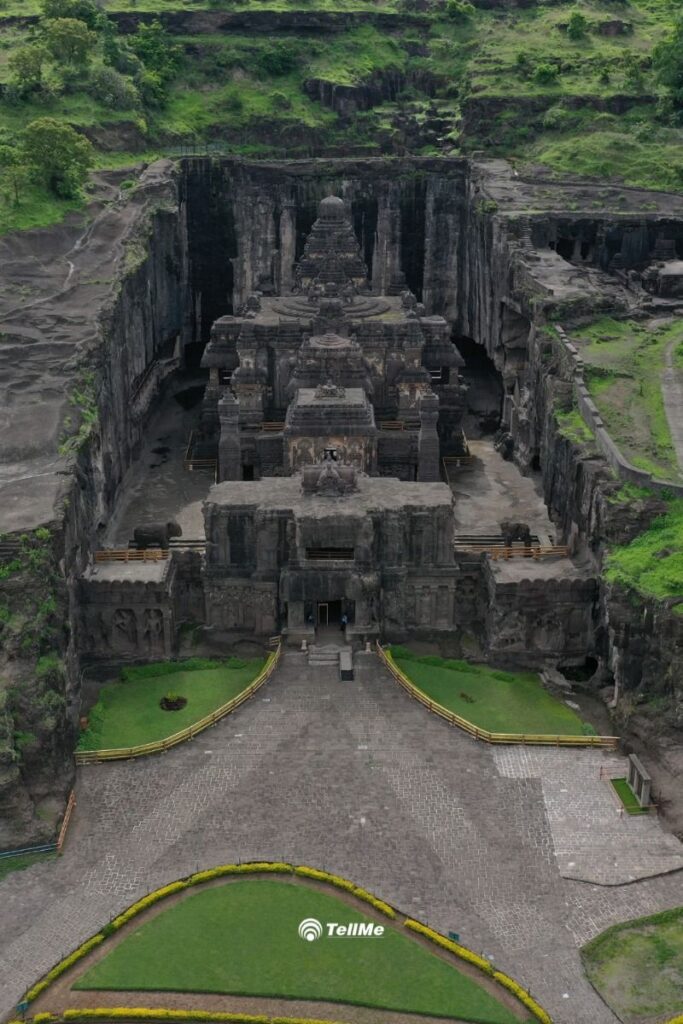
🏔️ Exploring the Magnificent Ajanta Caves: A Journey Through Ancient Art and History 🎨
Introduction: Welcome to the World of Ajanta 👋
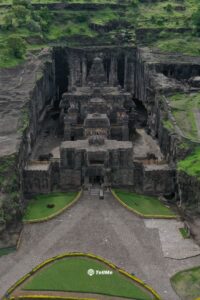
India’s most precious archaeological treasures – the Ajanta Caves. Nestled in the rugged landscape of Maharashtra, these ancient rock-cut Buddhist monuments represent the pinnacle of Indian art and architecture dating back to the 2nd century BCE.
The Ajanta Caves stand as a testament to human creativity, spiritual devotion, and artistic excellence. These 30 caves, carved into the horseshoe-shaped rock face along the Waghora River, house some of the finest examples of ancient Indian paintings and sculptures that continue to captivate visitors from around the world. If you’ve ever wondered about the origins, significance, and beauty of the Ajanta Caves, you’re in for a treat with this comprehensive guide!
🏯 The Historical Background of Ajanta Caves
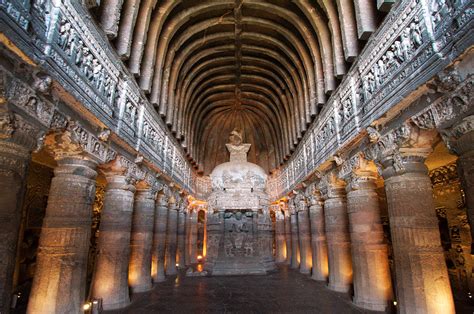
The story of the Ajanta Caves begins nearly 2,000 years ago during the rule of the Satavahana dynasty. Created in two distinct phases, these caves represent not just religious sanctuaries but also important historical documents that chronicle the evolution of Buddhist art and architecture in India. The first phase of construction dates back to the 2nd century BCE, while the second phase occurred during the Gupta period around the 5th-6th centuries CE.
What makes the Ajanta Caves truly remarkable is that they remained hidden from the modern world for over a millennium. After the decline of Buddhism in India, these magnificent structures were abandoned and gradually reclaimed by the jungle. It wasn’t until 1819 when a British officer named John Smith, while on a hunting expedition, accidentally rediscovered these caves, bringing them back into the spotlight and allowing the world to marvel at their splendor once again.
https://www.google.com/maps/search/?api=1&query=Ajanta+Caves+Maharashtra+India
| Period | Dynasty | Cave Numbers | Primary Features | Artistic Style |
|---|---|---|---|---|
| 2nd century BCE | Satavahana | 9, 10, 12, 13, 15A | Hinayana Buddhist motifs, simpler designs | Early Buddhist art with minimal decoration |
| 5th-6th centuries CE | Vakataka/Gupta | 1-8, 11, 14-29 | Mahayana Buddhist themes, elaborate paintings | Sophisticated murals, detailed sculptures |
| Rediscovery | British Colonial Era | All caves | Documentation and preservation efforts | Western academic interest began |
| Modern Era | Independent India | Entire complex | UNESCO World Heritage site (1983) | Conservation and tourism development |
🎭 Artistic Marvels of the Ajanta Caves
The Ajanta Caves are home to some of the most exquisite examples of ancient Indian art. The walls and ceilings of these caves are adorned with intricate paintings that showcase remarkable technical skill and artistic vision. These murals depict various Jataka tales (stories of Buddha’s previous lives), scenes from the life of Gautama Buddha, and other Buddhist legends, providing a visual narrative of Buddhist teachings and philosophy.
What’s particularly fascinating about the Ajanta paintings is the technique used by the ancient artists. The surfaces were prepared with a mixture of clay, cow dung, and rice husks, which was then covered with a lime wash. The artists used natural pigments derived from minerals and plants to create vibrant colors that have remarkably stood the test of time. The level of detail, the mastery of perspective, and the emotional expressiveness in these paintings continue to astonish art historians and visitors alike.
| Artistic Element | Description | Significance | Notable Examples |
|---|---|---|---|
| Painting Technique | Tempera on dry plaster | Revolutionary for its time | Cave 1, 2, 16, 17 murals |
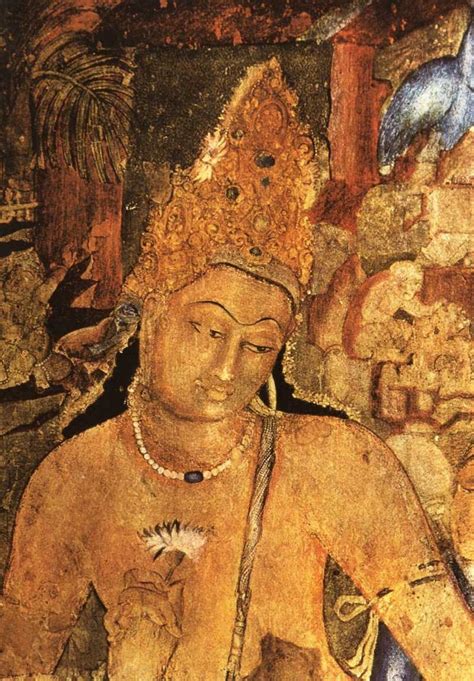
| Color Palette | Natural pigments (red ochre, lapis lazuli, etc.) | Vibrant colors lasting centuries | Bodhisattva Padmapani in Cave 1 |
| Thematic Content | Jataka tales, Buddha’s life, court scenes | Educational and devotional purpose | Dying Princess in Cave 16 |
| Sculpture Style | Rock-cut Buddha figures, decorative elements | Evolution of Buddhist iconography | Cave 26 reclining Buddha |
| Architectural Layout | Chaitya halls (worship), Viharas (monasteries) | Functional religious spaces | Cave 19 (chaitya), Cave 1 (vihara) |
🧐 The Iconography and Symbolism
The Ajanta Caves are a treasure trove of Buddhist iconography and symbolism. Every painting and sculpture within these caves carries deep spiritual significance, designed not just for aesthetic appreciation but also as tools for meditation and religious instruction. The images of Buddha in various mudras (hand gestures), the depictions of bodhisattvas (enlightened beings), and the elaborate mandalas all serve as visual aids in understanding Buddhist philosophy.
One of the most iconic images in the Ajanta Caves is the Bodhisattva Padmapani in Cave 1, often referred to as the “Ajanta Man.” This elegant figure, holding a lotus (padma) in his hand, exemplifies the graceful style and spiritual essence of Ajanta art. The compassionate expression, the detailed jewelry, and the fluid posture demonstrate the artists’ ability to infuse stone with life and emotion, creating works that continue to resonate with viewers across millennia.
🏛️ Architectural Brilliance
Beyond the paintings, the architectural design of the Ajanta Caves is equally impressive. The caves are categorized into two types: viharas (monasteries) and chaityas (prayer halls). The viharas typically feature a central hall surrounded by small cells for monks, while the chaityas contain a central nave leading to a stupa (a hemispherical structure containing relics).
What makes these caves architectural marvels is that they were carved entirely out of solid rock, working from the entrance inward without the benefit of modern tools or technology. The precision of the carving, the structural integrity that has withstood centuries, and the thoughtful layout that accommodates both practical and ritual needs speak volumes about the advanced understanding of architecture and engineering possessed by the ancient craftsmen who created these spaces.
🌿 Conservation Challenges and Preservation Efforts
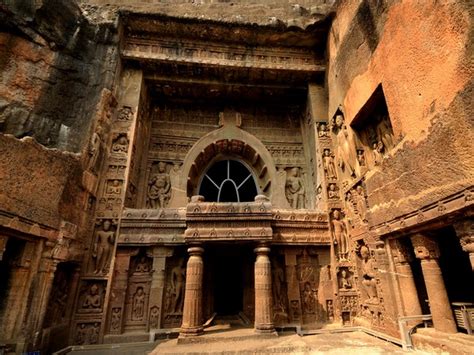
The Ajanta Caves have survived for nearly two millennia, but not without facing significant conservation challenges. The natural elements, including humidity, water seepage, and exposure to light, pose constant threats to the delicate paintings and sculptures. Additionally, the increase in tourism, while economically beneficial, has created new pressures on these ancient structures.
Recognizing the immense cultural value of the Ajanta Caves, various conservation initiatives have been implemented over the years. The Archaeological Survey of India (ASI) has been at the forefront of these efforts, employing scientific methods to monitor environmental conditions, control moisture levels, and prevent further deterioration. International organizations like UNESCO have also contributed to preservation projects, providing expertise and resources to ensure that these irreplaceable treasures remain intact for future generations.
| Conservation Issue | Impact | Solution Implemented | Current Status |
|---|---|---|---|
| Water Seepage | Damage to paintings and structural integrity | Drainage systems, waterproofing techniques | Ongoing monitoring required |
| Humidity Control | Mold growth, paint flaking | Climate control systems, regulated visitor access | Partially successful |
| Visitor Impact | Physical wear, temperature/humidity fluctuations | Visitor management, protective barriers | Balanced with tourism needs |
| Documentation | Risk of losing information | Digital documentation, 3D scanning | Comprehensive archive being developed |
| Funding | Sustainability of conservation work | Government allocation, international grants | Regular but insufficient resources |
📷 Modern Documentation Techniques
In recent years, technological advancements have revolutionized the documentation and study of the Ajanta Caves. High-resolution photography, 3D scanning, and digital modeling have allowed researchers to capture and analyze details that might be invisible to the naked eye. These digital records serve not only as valuable research tools but also as insurance against potential damage or loss.
The Japan-India comprehensive documentation project, for instance, has created detailed digital archives of the Ajanta paintings, allowing scholars worldwide to study these masterpieces without contributing to their physical deterioration. Such initiatives represent a harmonious blend of traditional conservation approaches and cutting-edge technology, ensuring that the legacy of Ajanta remains accessible even as we work to protect its physical form.
🌍 Tourism Management and Sustainable Practices
Balancing the competing demands of conservation and tourism remains one of the greatest challenges in managing the Ajanta Caves. With over 500,000 visitors annually, the impact on these delicate structures cannot be overlooked. However, tourism also plays a crucial role in generating awareness and economic support for conservation efforts.
Sustainable tourism practices, such as limited visitor numbers, regulated photography, and educational programs that emphasize the importance of preservation, have been implemented to mitigate negative impacts. Additionally, the development of visitor facilities away from the immediate vicinity of the caves helps reduce environmental pressures while still providing a meaningful experience for tourists. These balanced approaches aim to ensure that the Ajanta Caves can continue to inspire and educate visitors for generations to come.
🧘 Spiritual Significance of the Ajanta Caves
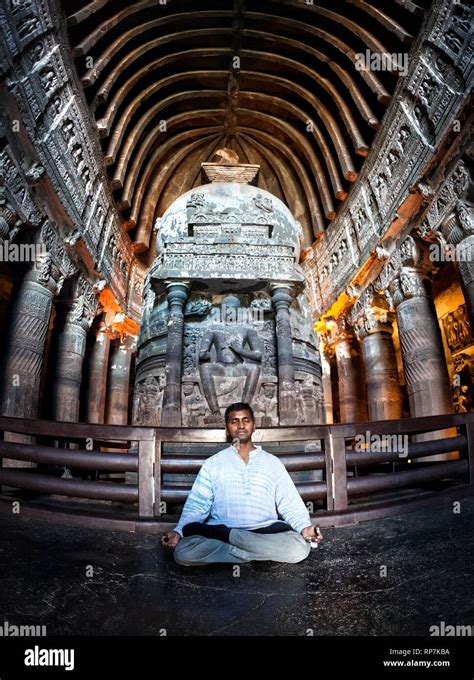
Beyond their artistic and historical value, the Ajanta Caves hold profound spiritual significance. These spaces were created as sanctuaries for Buddhist monks, providing environments conducive to meditation, study, and religious practice. The spiritual ambiance of these caves remains palpable even today, with many visitors reporting a sense of tranquility and awe upon entering these ancient chambers.
The Ajanta Caves also offer valuable insights into the evolution of Buddhist thought and practice in India. The early caves, associated with Hinayana Buddhism, show a more austere approach with fewer decorative elements and no representations of Buddha in human form. In contrast, the later caves reflect Mahayana Buddhist influences, featuring elaborate imagery, depictions of Buddha and bodhisattvas, and more complex symbolic elements. This transition, visually documented in stone and paint, provides a tangible record of the philosophical developments within Buddhism during this pivotal period.
| Spiritual Aspect | Representation in Caves | Significance | Notable Locations |
|---|---|---|---|
| Meditation Spaces | Secluded cells, quiet halls | Monastic discipline | Smaller cells in viharas |
| Ritual Areas | Stupas, circumambulation paths | Worship practices | Central stupas in chaityas |
| Philosophical Evolution | Transition from aniconic to iconic | Shift from Hinayana to Mahayana | Compare Cave 10 vs. Cave 1 |
| Community Life | Communal halls, dining areas | Sangha (monastic community) | Large viharas like Cave 4 |
| Educational Function | Narrative paintings | Teaching tools for monks and visitors | Jataka tales in Cave 17 |
🕉️ Religious Practices and Monastic Life
The layout and features of the Ajanta Caves provide fascinating glimpses into the daily lives and religious practices of Buddhist monks during ancient times. The viharas (monasteries) typically include a large central hall surrounded by small cells where monks would sleep and meditate. Some caves also feature dining areas, storage spaces, and other practical amenities that supported communal monastic living.
Evidence suggests that the Ajanta complex served not only as a retreat for permanent residents but also as a stopping point for traveling monks during the monsoon season when travel was difficult. The strategic location of the caves along trade routes also indicates that they functioned as important centers for cultural exchange, where Buddhist teachings were shared with merchants and travelers who would carry these ideas to distant lands, contributing to the spread of Buddhism throughout Asia.
🎓 Educational Role in Buddhist Tradition
The elaborate narrative paintings in the Ajanta Caves served an important educational function within the Buddhist tradition. In an era before widespread literacy, these visual storytelling elements made complex philosophical concepts accessible to a broader audience. The Jataka tales depicted on the walls, which illustrate the previous lives of Buddha and the moral lessons associated with each story, were particularly effective tools for teaching ethical principles.
For novice monks and lay visitors alike, the immersive visual environment of the caves provided a comprehensive introduction to Buddhist thought and practice. The spatial arrangement, with progressively more complex imagery as one moved deeper into certain caves, may have reflected a pedagogical approach where individuals would encounter teachings appropriate to their level of spiritual development. In this way, the Ajanta Caves functioned as three-dimensional textbooks, offering multiple layers of meaning to be revealed through continued study and contemplation.
🌟 Ajanta Caves in Global Cultural Context
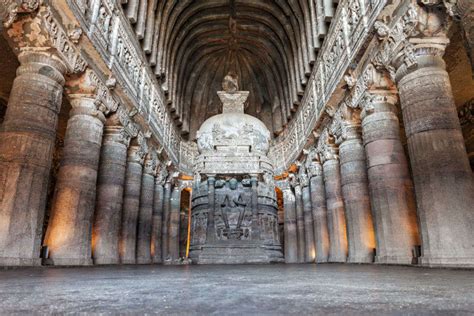
The Ajanta Caves hold a special place in the global cultural heritage landscape. Recognized as a UNESCO World Heritage Site in 1983, these monuments are acknowledged not just as Indian treasures but as part of humanity’s shared cultural inheritance. Their influence extends far beyond India’s borders, having inspired artistic traditions throughout Asia and later capturing the imagination of Western scholars and artists following their rediscovery in the 19th century.
The artistry of Ajanta has notable connections with other cave art traditions across Asia, including the Dunhuang caves in China and the Dambulla cave temple in Sri Lanka. Art historians have traced the spread of stylistic elements and techniques from Ajanta throughout the Buddhist world, demonstrating how these caves served as an important artistic wellspring that influenced religious art across the continent for centuries to come.
| Cultural Influence | Region Affected | Examples | Lasting Impact |
|---|---|---|---|
| Artistic Techniques | East and Southeast Asia | Dunhuang Caves (China), Angkor Wat (Cambodia) | Painting styles, composition methods |
| Religious Iconography | Pan-Asian Buddhist Art | Buddha images throughout Asia | Standardization of divine representations |
| Western Art History | European Modernism | Influence on Wassily Kandinsky, Paul Klee | New approaches to color and form |
| Contemporary Indian Identity | Modern India | Inspiration for national art movements | Symbol of cultural heritage |
| Global Tourism | International Cultural Exchange | Over 500,000 annual visitors from worldwide | Cross-cultural appreciation |
🔍 Archaeological Significance and Ongoing Research
The archaeological importance of the Ajanta Caves extends beyond their artistic beauty. These structures provide invaluable information about ancient Indian society, technologies, and cultural practices. The detailed representations of clothing, jewelry, hairstyles, musical instruments, and architectural elements offer archaeologists and historians a visual archive of material culture from periods with relatively few surviving artifacts.
Research at Ajanta continues to yield new insights, with modern technologies revealing previously unseen details. Multispectral imaging has uncovered layers of paintings and preparatory sketches hidden beneath visible murals, while chemical analysis of pigments has provided information about trade networks and material resources available to ancient artists. Each new discovery adds another piece to our understanding of this complex historical site and the civilization that created it.
🎨 Influence on Modern Art and Culture
The rediscovery of Ajanta in the 19th century came at a pivotal moment in global art history, coinciding with growing European interest in non-Western artistic traditions. Reproductions of Ajanta paintings were widely circulated and studied by Western artists seeking alternatives to European academic traditions. The fluid lines, vibrant colors, and spiritual dimension of Ajanta art resonated with modernist movements, particularly influencing expressionist and abstract painters.
In India, the Ajanta Caves have become an important symbol of national cultural identity and artistic heritage. The Bengal School art movement, which played a significant role in India’s cultural renaissance during the independence struggle, drew substantial inspiration from Ajanta’s artistic legacy. Today, contemporary Indian artists continue to engage with this tradition, reinterpreting ancient motifs and techniques in modern contexts, ensuring that the artistic spirit of Ajanta remains alive and evolving in the 21st century.
🧳 Practical Guide for Visitors to Ajanta Caves
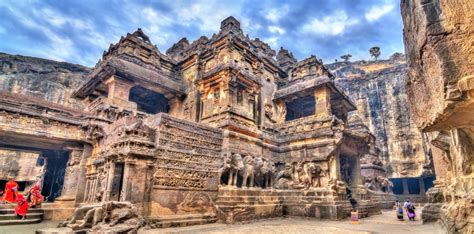
For those planning to experience the wonder of the Ajanta Caves firsthand, some practical preparation can help make your visit more enjoyable and meaningful. The caves are located approximately 100 kilometers from Aurangabad city in Maharashtra state, which serves as the primary gateway for most visitors. The nearest airport is in Aurangabad, with regular connections to major Indian cities like Mumbai, Delhi, and Hyderabad.
The best time to visit the Ajanta Caves is during the cooler months from November to March, when temperatures are more comfortable for exploration. The caves are closed on Mondays for maintenance, so plan your itinerary accordingly. A typical visit requires at least 4-5 hours to appreciate the major caves, though dedicated art enthusiasts may want to allocate a full day or even multiple days to fully absorb the wealth of details.
| Visitor Information | Details | Tips | Important Notes |
|---|---|---|---|
| Opening Hours | 9:00 AM – 5:30 PM (Closed Mondays) | Arrive early to avoid crowds | Last entry at 5:00 PM |
| Entry Fee | ₹40 (Indian), ₹600 (Foreigners) | Separate camera fee applicable | Free for children under 15 |
| Best Time to Visit | November to March | Weekdays are less crowded | Avoid monsoon season (June-September) |
| Accessibility | Moderate hiking required | Comfortable shoes recommended | Limited facilities for mobility-impaired |
| Guided Tours | Available at entrance | Highly recommended for context | Audio guides in multiple languages |
🗿 Must-See Caves and Highlights
While all 30 caves at Ajanta offer something unique, visitors with limited time should prioritize certain caves known for their exceptional artistry. Cave 1 is considered one of the most spectacular, featuring the famous Bodhisattva Padmapani painting and elaborate carvings. Cave 2 contains some of the best-preserved ceiling paintings, while Cave 16 houses the renowned “Dying Princess” mural. Cave 17 is notable for its rich collection of Jataka tales, and Cave 19 features an exquisite façade with detailed sculptural elements.
Photography is permitted in most areas of the Ajanta Caves, though flash photography is strictly prohibited to protect the delicate paintings. For the best photographic results, bring a camera that performs well in low-light conditions, as the interior illumination is kept deliberately subtle to minimize damage to the artwork. Remember that these are sacred spaces with significant cultural importance, so always follow the guidelines provided by site authorities and maintain a respectful demeanor throughout your visit.
🏨 Accommodation and Local Experiences
While there are limited accommodations in the immediate vicinity of the caves, the nearby town of Aurangabad offers a range of lodging options to suit various budgets. The Maharashtra Tourism Development Corporation (MTDC) operates a resort close to the caves that provides convenient access, though booking well in advance is recommended, especially during peak tourist season.
Beyond the caves themselves, the region offers several complementary attractions worth exploring. The nearby Ellora Caves, another UNESCO World Heritage Site featuring Hindu, Buddhist, and Jain monuments, make an excellent pairing with Ajanta for a comprehensive understanding of ancient Indian rock-cut architecture. The Daulatabad Fort, Bibi Ka Maqbara (often called the “Mini Taj”), and the Aurangabad Caves provide additional historical context for those interested in the rich cultural heritage of the Deccan region.
📚 Conclusion: The Enduring Legacy of Ajanta Caves
The Ajanta Caves represent one of humanity’s greatest artistic and spiritual achievements. From their creation nearly two millennia ago to their continuing influence on art, culture, and religious understanding today, these remarkable monuments have transcended their original purpose to become a precious global inheritance. Their exquisite paintings and sculptures not only showcase the technical brilliance of ancient Indian artists but also offer profound insights into Buddhist philosophy and the human condition.
As we navigate our increasingly digital and fast-paced world, the timeless beauty and tranquility of spaces like the Ajanta Caves remind us of the enduring power of art to connect us across centuries. Whether you’re planning a visit or simply appreciating these wonders from afar, the Ajanta Caves invite us to slow down, look closely, and contemplate the remarkable achievements of our ancestors. Their preservation and continued study ensure that future generations will have the opportunity to be inspired by these extraordinary creations, carrying forward a cultural legacy that enriches our collective human experience.
Before you go, don’t forget to explore our other articles on magnificent archaeological sites across India and the world. From the temples of Khajuraho to the rock-cut wonders of Petra, there’s a world of ancient artistry waiting to be discovered!
For more authoritative information on the Ajanta Caves, visit the Archaeological Survey of India’s official page which provides detailed historical context and conservation updates.
Related Keywords: Ajanta Paintings, Buddhist Cave Art, Maharashtra Tourism, Ancient Indian Architecture, UNESCO World Heritage Sites India

Just logged in to b777casinologin. Smooth process, simple and straightforward. Exactly what I need after a long day. Ready to unwind. You can log in here b777casinologin.
Freecine mod apk? Yeah, I think I found a place claiming to have that. Give it a look and see if it works for you: freecine mod apk.
Hey, just checked out AAA Bet and it’s pretty slick! Easy to navigate and the games seem legit. Worth a look if you’re trying your luck! Check it out here: aaa bet
References:
Wind creek casino montgomery https://laytnuqmy571393.acidblog.net
References:
Seminole hard rock casino tampa https://dailybeacon.site